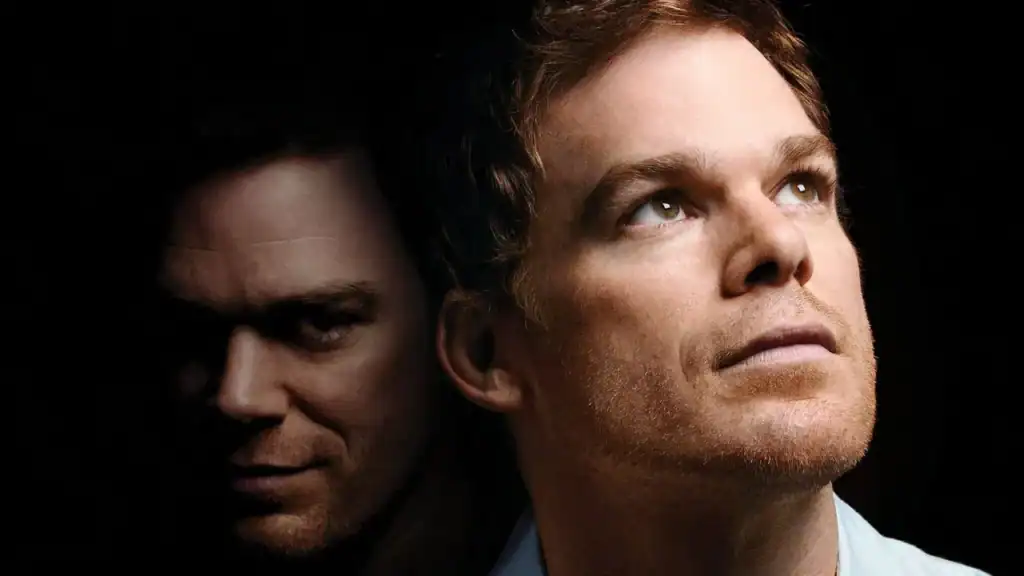


When people talk about modern Netflix hits, Wednesday and Stranger Things almost always come up together. Both mix supernatural danger with teenage coming-of-age stories, both build suspense through mystery, and both attract viewers who love eerie worlds with emotional stakes.
But choosing between them is less about quality and more about the kind of experience you want to sink into. One leans toward mood, character isolation, and slow-burning intrigue. The other leans toward momentum, friendship-driven storytelling, and cinematic escalation.
Same Genre Space, Completely Different Viewing Experience
There is a strong overlap between fans of Wednesday and Stranger Things. If you enjoy dark mysteries, young heroes facing impossible odds, and stories that blend fear with emotional growth, both shows likely appeal to you.
Where they separate is in how they make you feel while watching.
Wednesday is controlled, atmospheric, and introspective. Stranger Things is fast-moving, emotionally expansive, and driven by group dynamics.
That contrast explains why some viewers fall deeply into one while only casually enjoying the other.

What Wednesday Is Built to Deliver
A Gothic Character Study First, Mystery Second
Wednesday centers almost entirely on one perspective. The supernatural plot exists to pressure the main character’s emotional growth rather than overpower it.
Every interaction, clue, and conflict slowly reshapes how she relates to others and the world around her.
This focus is a big reason many viewers connected with the show beyond the mystery itself, something explored more deeply in Why Wednesday Resonated Beyond the Mystery
A Mood That Never Rushes
The tone stays consistently eerie, dry, and slightly detached. Humor comes from awkward moments and deadpan reactions instead of loud jokes.
Suspense builds gradually rather than through constant danger.
It feels closer to a gothic detective story than an action thriller.
A Story Told in Controlled Chapters
Each episode reveals just enough to move the mystery forward while deepening relationships and emotional tension.
The pacing encourages patience and attention, rewarding viewers who enjoy subtle storytelling.
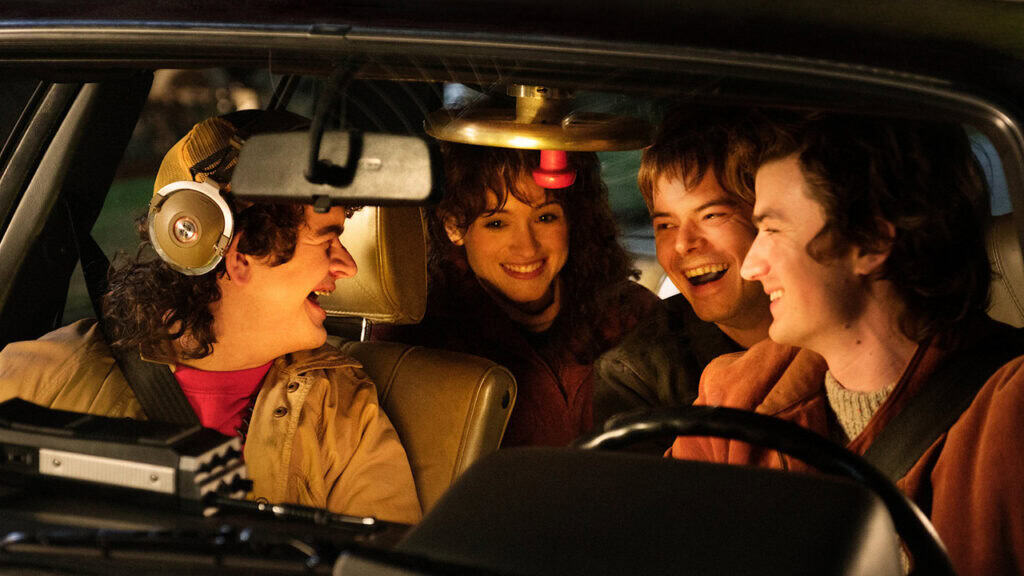
What Stranger Things Is Built to Deliver
An Ensemble Adventure With Emotional Highs
Stranger Things thrives on its group dynamic. The emotional core is friendship under pressure, with characters constantly fighting to protect one another.
Instead of staying with one viewpoint, the story jumps between multiple arcs that eventually collide.
That emotional pull is why many viewers describe the show as deeply personal, something explored in Why Stranger Things Feels So Personal to So Many Viewers.
A Tone That Swings Between Fun and Fear
The show blends humor, nostalgia, horror, and heartfelt moments within the same episodes.
One scene may feel light and playful. The next may feel genuinely terrifying.
This emotional range keeps energy high and engagement constant.
Momentum That Builds Toward Big Climaxes
Each season tends to start grounded before escalating into massive confrontations and emotional peaks.
It is designed for binge-watching, often ending episodes with revelations or danger that push viewers to continue.

Why Watching Them Feels So Different
Slow Burn vs Escalating Tension
Wednesday allows quiet moments to breathe. Awkward silences, lingering glances, and gradual discovery are part of the experience.
Stranger Things constantly nudges the story forward. Even slower moments carry the feeling that something bigger is coming.
If you enjoy atmosphere and patience, Wednesday feels immersive.
If you enjoy urgency and rising stakes, Stranger Things feels gripping.
How Quickly Emotional Investment Happens
Wednesday builds emotional connections slowly through subtle shifts in trust and vulnerability.
Stranger Things bonds its characters quickly through shared danger, making viewers emotionally invested early on.

How Each Show Handles Character Growth
Wednesday’s Internal Transformation
Most of the conflict is emotional rather than physical.
The story focuses on:
-
Learning to trust others
-
Letting go of emotional walls
-
Balancing independence with connection
The mystery constantly challenges her worldview.
Stranger Things’ Growth Through Survival
Characters evolve because of external pressure.
Their growth comes from:
-
Facing fear together
-
Making sacrifices
-
Protecting friends at any cost
Danger forces emotional change.
If you enjoy introspection, Wednesday leans into it.
If you enjoy growth forged in crisis, Stranger Things delivers it.

Where Wednesday Consistently Shines
A Distinct Visual and Emotional Identity
The gothic aesthetic, carefully framed scenes, and controlled color palette create a cohesive world that feels intentional and immersive.
Tight Narrative Focus
With fewer side plots and a central perspective, the story never feels scattered.
Subtle Emotional Payoffs
Small moments of connection often land harder than big dramatic scenes.
Viewers who enjoy this style often seek out similar shows afterward, which is why guides like Shows Like Wednesday, A Guide to Dark, Stylish Mystery TV have become popular reading.
For those drawn to strong lead characters, Shows Like Wednesday With Strong Female Leads expands on that appeal.

Where Stranger Things Consistently Shines
Powerful Ensemble Chemistry
The friendships feel natural and emotionally grounded, making every conflict more impactful.
High-Stakes Plot Progression
The story constantly builds toward larger threats and emotional climaxes.
Emotional Variety
Viewers experience humor, fear, nostalgia, and heartbreak within the same narrative.
Fans often look for similar emotional energy afterward, which is why 15 Shows Like Stranger Things That Actually Match the Vibe resonates with so many viewers.

The Tradeoffs That Shape Each Experience
What Wednesday Intentionally Keeps Minimal
-
Constant action sequences
-
Large ensemble storytelling
-
Rapid emotional bonding
The focus remains on mood and character depth.
What Stranger Things Intentionally Keeps Secondary
-
Quiet introspective pacing
-
Singular character focus
-
Atmospheric subtlety
The priority is momentum and emotional scale.
These choices are deliberate, not weaknesses.
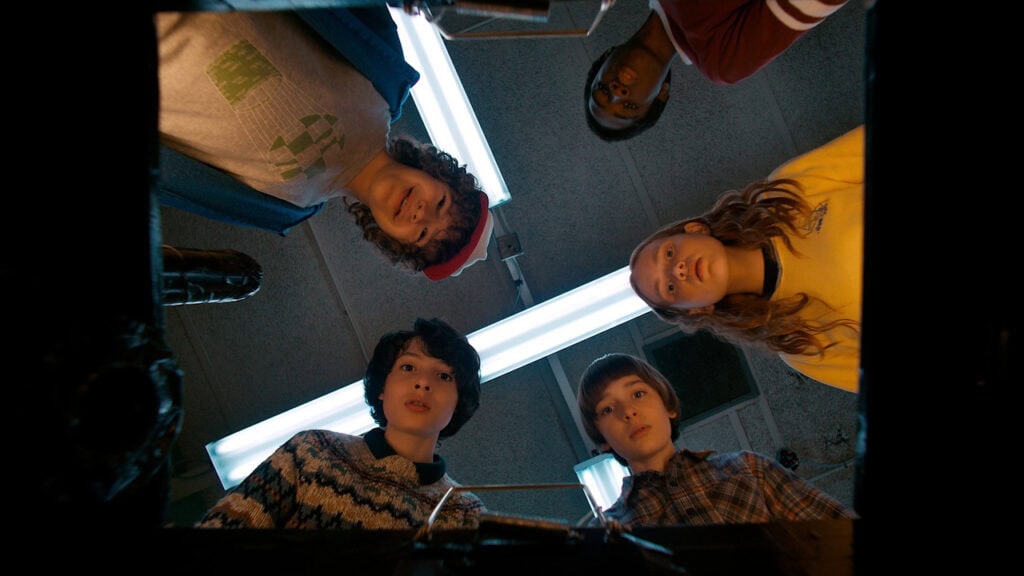
Which Show Fits Different Viewing Moods
Wednesday Often Feels Right If You Enjoy:
-
Slow-burn mysteries
-
Moody, immersive worlds
-
Character-driven storytelling
-
Subtle emotional growth
Viewers looking for shorter, easy-to-binge experiences often enjoy lists like Short Shows Like Wednesday You Can Binge Quickly.
Those intrigued by the academy setting also gravitate toward Shows Like Wednesday With Supernatural Schools or Academies.
Stranger Things Often Feels Right If You Enjoy:
-
Fast pacing and escalating danger
-
Strong friendship dynamics
-
Big emotional moments
-
Cinematic storytelling
Many fans also explore deeper story arcs and future possibilities, such as in 5 Big Questions Season 5 of Stranger Things Must Answer and Stranger Things Season 5: The Final Battle Begins.
Some viewers even notice how the tone evolved, which is discussed in Why Stranger Things Season 4 Felt Different and Why Stranger Things Resonated With Viewers.
A Quick Reality Check for First-Time Viewers
If you are still on the fence about Wednesday itself, Is Wednesday Worth Watching? breaks down what kind of viewer tends to enjoy it most.
It pairs naturally with this comparison by focusing on expectations rather than hype.
Wednesday and Stranger Things thrive because they chase different emotional goals within the same supernatural genre.
Wednesday invites you into a slow, moody, character-focused mystery where atmosphere and subtle growth lead the experience. Stranger Things pulls you into a fast-moving adventure built on friendship, escalating danger, and emotional highs.
If you’re deciding between Wednesday vs Stranger Things, the real question is whether you want a controlled, immersive slow burn or a momentum-driven emotional journey.
Both succeed at what they aim to be. The best choice is simply the one that matches the kind of experience you’re in the mood to enjoy right now.