
This list is for viewers who want heroes that feel human, not heroic cutouts. If you are tired of leads who always know the right answer, this filter is for you.
Shows Like The Witcher With Complex Heroes are trending because audiences are gravitating toward character driven storytelling. Viewers binge differently now. They rewatch key scenes, debate decisions online, and invest in characters whose choices feel debatable rather than correct. That behavior rewards shows that build protagonists with contradictions, flaws, and personal codes.
The emotional pull comes from watching heroes wrestle with who they are versus who they are expected to be. These characters survive, protect, and sometimes fail, all while carrying guilt, loyalty, and responsibility. Their complexity makes victories feel costly and defeats feel personal.
Core themes stay centered on moral tension, personal boundaries, and long term consequence. These heroes are defined less by power and more by the lines they refuse to cross, or the ones they cross and regret. The storytelling favors measured pacing, quiet moments after conflict, and arcs that unfold through repeated pressure rather than sudden change.
Many of these shows are easy to find across major streaming platforms. Below you will find three must watch picks, three shows to skip, and ten additional recommendations when complex heroes are what keep you watching.
3 Shows to Watch
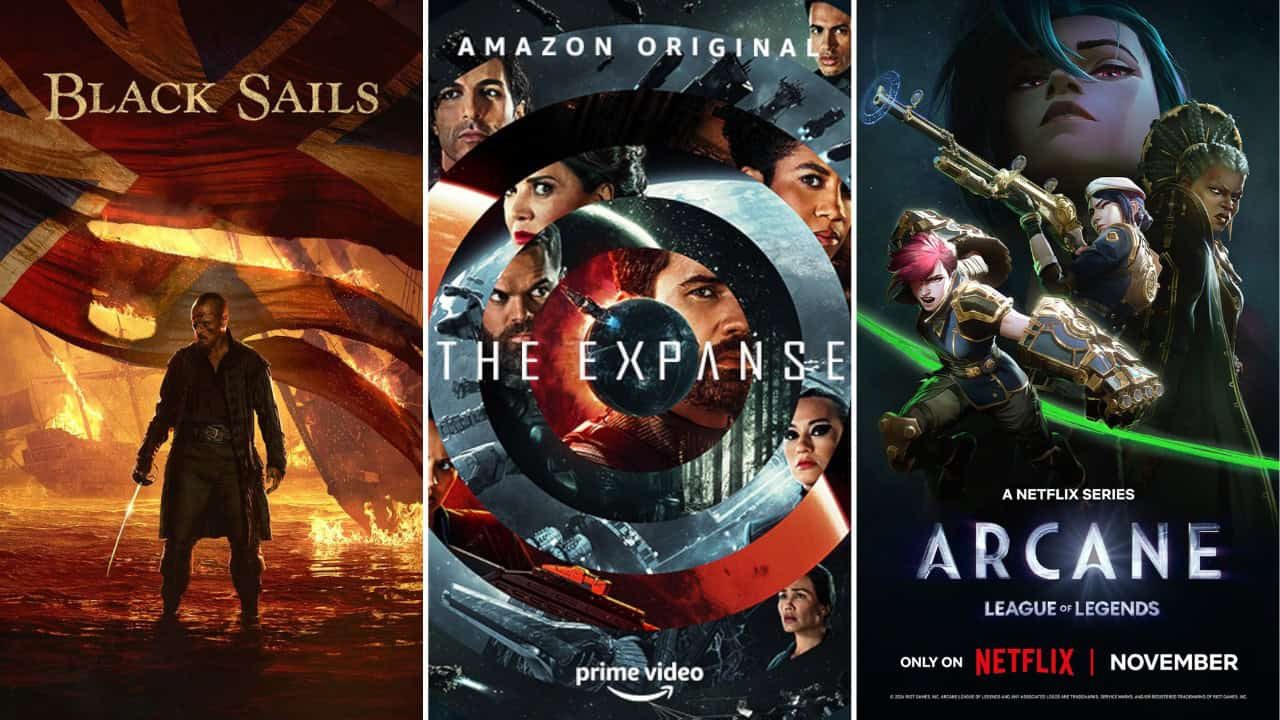
1. Black Sails
Black Sails is a masterclass in writing heroes who evolve through contradiction. At the start, characters appear driven by clear goals, freedom, survival, reputation. As the story unfolds, those goals fracture under pressure. Every major figure believes they are acting rationally, even when their choices cause harm. That tension is where complexity lives.
Pacing is deliberate but never passive. Early episodes establish trust, hierarchy, and personal codes. Later episodes test those codes repeatedly. Characters do not abandon their values suddenly. They bend them, justify compromises, and live with the results. Emotional payoff builds slowly as decisions stack and consequences refuse to disappear.
Character chemistry is volatile and intimate. Alliances form out of necessity, not affection. Loyalty is conditional and constantly renegotiated. Conversations feel charged because each character knows the cost of betrayal, yet understands why it might be necessary. That push and pull gives every interaction weight.
Structurally, the show commits to long arcs that reward patience. No one resets at the end of a season. Trauma accumulates. Power changes people, sometimes in ways they hate but accept. Heroes win, then realize the victory cost them something permanent.
What makes Black Sails exceptional is its refusal to label anyone as purely heroic or corrupt. Characters justify their worst actions with logic that almost convinces you. By the time they cross lines, you understand exactly why they did, even if you cannot agree. That understanding is the emotional core of complex hero storytelling.
This is a show where growth often looks like erosion. Ideals shrink under pressure. Convictions become tools. Yet moments of humanity still break through, making the struggle feel real rather than cynical.
Perfect For: Viewers who want morally layered protagonists whose choices make sense, even when they hurt others.
2. The Expanse
The Expanse thrives on heroes who lead under impossible conditions. Competence does not protect these characters from doubt. In fact, their intelligence and experience make the consequences heavier. Every decision carries political, personal, and emotional cost.
Pacing is controlled and intentional. The show gives characters time to argue, hesitate, and reconsider. Big moments are often preceded by quiet debate rather than action. That restraint makes outcomes feel earned. When something goes wrong, you know exactly where the fault line formed.
Character chemistry is rooted in trust forged under stress. Relationships develop through shared responsibility rather than shared ideals. Disagreements are frequent and unresolved. Emotional payoff comes from watching characters stay together not because they agree, but because separating would make everything worse.
Structurally, the series supports long term character integrity. Heroes do not change to serve the plot. The plot adapts to their values and limitations. When characters compromise, it is clear what they sacrificed and why they believed it was necessary.
What defines complexity here is perspective. Each hero believes they are doing the least harmful thing available. That belief shifts as new information emerges. Watching characters update their morality in real time is the show’s greatest strength.
Victories feel hollow when they require moral erosion. Failures feel devastating because they were avoidable, at least in hindsight. The Expanse does not punish characters for caring. It shows how caring complicates leadership.
Perfect For: Viewers who enjoy thoughtful heroes forced to choose between bad options while carrying responsibility for others.
3. Arcane
Arcane builds complexity through emotional fracture. Heroes begin with understandable motivations, loyalty, protection, survival. As power enters the picture, those motivations twist rather than disappear. Characters do not become different people. They become louder versions of themselves.
Pacing is sharp and purposeful. Every turning point is rooted in character choice. No development feels random. Emotional beats are allowed to linger just long enough to hurt before the story moves forward. That momentum mirrors how trauma reshapes people quickly and permanently.
Character chemistry is intense and unstable. Relationships are defined by history rather than current intention. Love, resentment, and regret coexist in every interaction. Emotional payoff comes from watching bonds stretch until they snap, then realizing the damage cannot be undone.
Structurally, the show is disciplined. Each arc builds toward a moment where a character must choose between two values they both believe in. There is no neutral path. Those moments define who they become.
Arcane excels at showing how heroes rationalize their worst decisions. The audience understands their logic, even as it leads them somewhere dark. That alignment between empathy and discomfort is what makes the characters feel real.
The show refuses to offer clean redemption. Growth exists, but it is uneven and painful. Characters carry the weight of what they have done into every future scene. That continuity makes their complexity stick.
Perfect For: Viewers who want emotionally driven heroes whose flaws escalate alongside their power.
Fantasy Shows Like The Witcher With Deep Lore is a strong next step for viewers who want richly built worlds to match their interest in layered protagonists.
3 Shows You Should Skip
1. Cursed
Cursed initially positions its lead as a conflicted figure burdened by power, responsibility, and destiny. The setup suggests a hero who must navigate personal fear while deciding how to use dangerous abilities.
The problem is execution. Internal struggle is introduced but rarely explored in depth. Characters state their doubts rather than live with them. Decisions resolve quickly, often without lasting emotional fallout. As a result, growth feels compressed instead of earned.
Pacing works against complexity. Major turning points arrive before characters have processed earlier ones. Emotional beats pass quickly, leaving little room for reflection or consequence. The hero reacts to events more than she wrestles with them.
Character chemistry is uneven. Relationships shift based on plot needs rather than accumulated tension. Conflicts resolve through circumstance instead of difficult conversation or choice.
While the show gestures toward moral tension, it avoids sitting in discomfort. The hero’s path feels guided rather than challenged. For viewers seeking layered internal conflict, the experience can feel surface level.
Perfect For: Viewers who enjoy fantasy leads with light emotional struggle and fast resolution.
2. Willow
Willow sets up heroes dealing with legacy, expectation, and self doubt. On paper, this should create rich internal conflict.
In practice, complexity is softened to maintain momentum. Characters confront fears quickly, then move on. Internal struggles are acknowledged but rarely revisited. Growth feels tidy, with emotional arcs resolving neatly.
Pacing prioritizes adventure over introspection. Decisions are made rapidly, with limited consequence. When characters change, the shift often lacks the friction that makes complexity believable.
Character chemistry leans toward warmth and humor rather than tension. Relationships support the hero rather than challenge them. That support keeps the story accessible, but it limits emotional depth.
The show succeeds at entertainment, but not at sustained internal struggle. Heroes face obstacles, yet rarely question themselves long enough for those moments to reshape who they are.
Perfect For: Viewers who want approachable heroes and lighter emotional arcs.
3. The Wheel of Time
The Wheel of Time introduces characters weighed down by prophecy, expectation, and fear. These elements suggest fertile ground for complex heroes.
However, internal conflict is often overshadowed by plot mechanics. Characters are pushed forward by destiny rather than pulled apart by choice. Emotional beats arrive inconsistently, making growth feel uneven.
Pacing jumps between introspection and action without always connecting them. Characters accept or reject roles abruptly. The audience is told what a choice means more often than shown how it feels.
Character chemistry suffers as a result. Relationships change quickly, without enough shared experience to ground emotional shifts. Consequences exist, but they rarely linger long enough to reshape behavior.
For viewers seeking heroes defined by internal struggle rather than external obligation, the show may feel more mechanical than personal.
Perfect For: Viewers who enjoy large scale storytelling more than intimate character complexity.
10 More Shows That Fit This Vibe
- House of the Dragon: Power forces characters into morally strained decisions.
- Rome: Loyalty and ambition constantly clash.
- The Expanse: Leaders face impossible tradeoffs repeatedly.
- Black Sails: Survival reshapes personal codes.
- Andor: Resistance tests moral limits.
- Battlestar Galactica: Authority creates ethical pressure.
- Carnival Row: Duty conflicts with compassion.
- The Last of Us: Protection drives painful choices.
- Westworld: Identity fractures under consequence.
- Arcane: Loyalty collides with responsibility.
Q & A
What defines a complex hero?
A hero who makes hard choices without clear answers. Their decisions carry emotional weight and long term impact.
Do complex heroes always change?
Not always dramatically. Sometimes the struggle itself is the arc.
Are these shows slower paced?
They often allow space for character moments, but still maintain momentum.
Can a hero be skilled and complex?
Yes. Competence does not remove internal conflict.
Do these stories reward rewatching?
Often. Subtle decisions gain meaning over time.
If you also enjoy fantasy where the world itself shapes character decisions, check out Movies Like Harry Potter.