
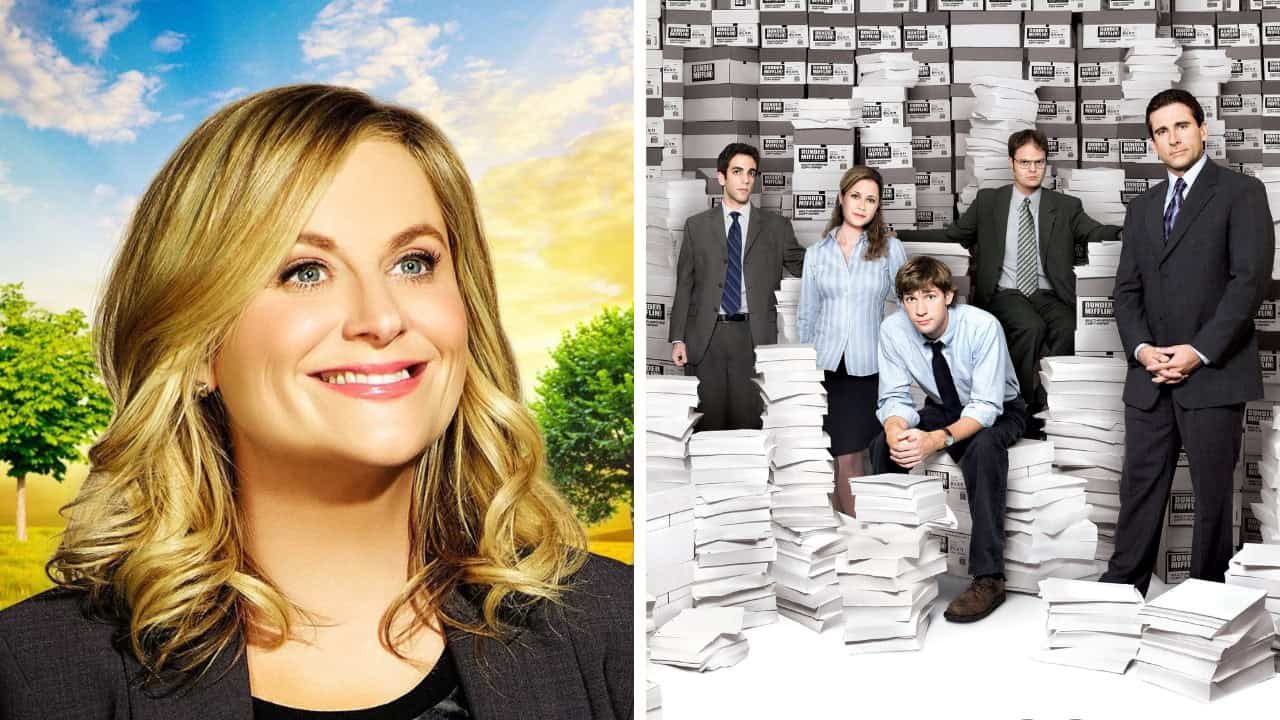
Few sitcom comparisons come up more often than Parks and Recreation vs. The Office. Both share a mockumentary style, a workplace setting, and overlapping creative DNA, yet they feel surprisingly different once you settle in.
When viewers search for this comparison, they aren’t usually asking which show is objectively “better.” They are asking a simpler, more personal question: Which one will actually help me relax at the end of a long day? The decision is less about critical acclaim and more about what kind of emotional experience you want on your screen.
At a Glance: How Do They Compare?
If you’re in a hurry to pick a show for tonight, here is the high-level breakdown of the “comfort factors” for each series.
| Feature | Parks and Recreation | The Office (US) |
| Primary Tone | Optimistic, Warm, & Earnest | Awkward, Satirical, & Realistic |
| Comedy Style | Fast-paced, high-energy wit | “Cringe” humor & silent reactions |
| Character Growth | Visible, celebrated, & ambitious | Subtle, slow, & often flawed |
| Conflict Style | External (Bureaucracy/Elections) | Interpersonal (Egos/Social friction) |
| Best For… | A “pick-me-up” after a bad day | Relatable venting about work life |
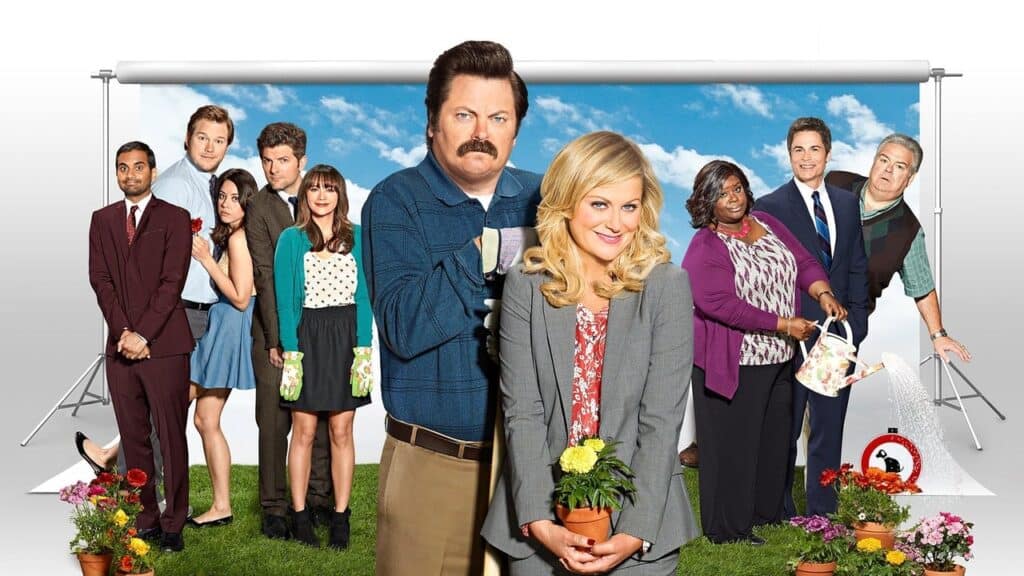
What Makes Parks and Recreation Feel So Comforting?
Parks and Recreation is built around optimism. From its second season onward, the creative intent centers on earnestness, civic pride, and the power of friendship. It treats local government not as a punchline, but as a setting for people who genuinely care.
1. Warmth Comes First
The series functions on a high emotional temperature. Even when poking fun at small-town quirks, the underlying message is that effort matters. Characters cheer for each other, celebrate wins loudly, and grow through collaboration rather than isolation.
2. Progress as a Comfort Factor
Unlike many sitcoms that rely on a “status quo,” Parks and Rec features significant forward motion. Viewers watch characters:
- Move upward in their careers.
- Deepen lifelong friendships.
- Reach long-term personal goals.
This creates a sense of earned satisfaction that makes for an incredibly low-stress binge-watch. If you enjoy comedies that prioritize heart, [our breakdown of similar shows] explores other series with this “feel-good” energy.
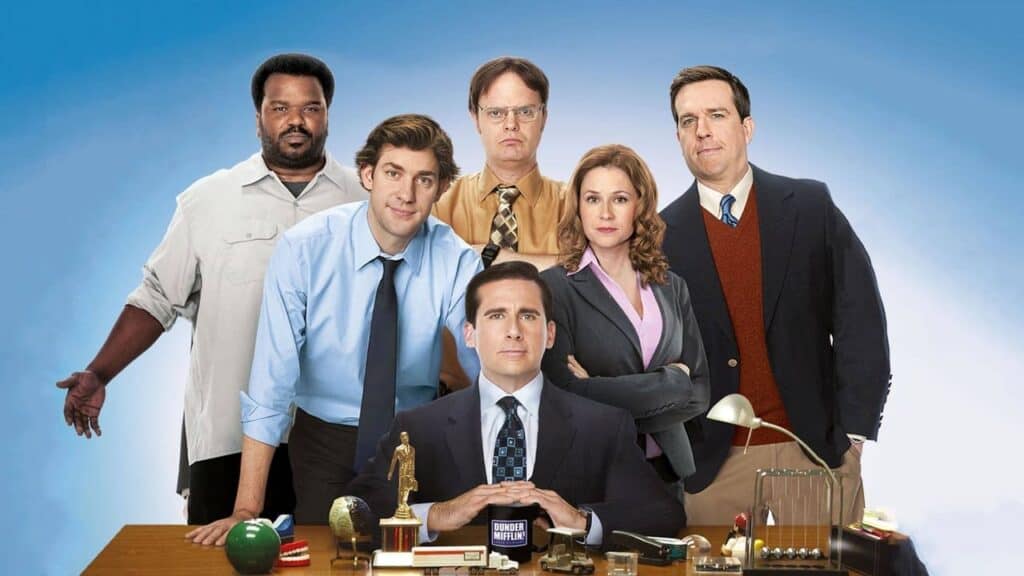
What Makes The Office a Different Kind of Comfort Watch?
The Office approaches comfort through realism and recognition. It captures the mundane absurdity of corporate life with surgical precision. For many, the “comfort” comes from seeing their own workplace anxieties reflected and transformed into humor.
1. The “Cringe” Engine
The show embraces social discomfort. Silence, miscommunication, and secondhand embarrassment are its primary tools. The camera style reinforces this, inviting you to feel like a silent observer of awkward moments.
2. Growth Happens Quietly
Character development in The Office is subtle. People remain deeply flawed for long stretches—and that stagnation is often the point. Because vulnerability is rare, moments like Jim and Pam’s milestones or Michael’s growth feel especially heavy and authentic when they finally arrive.
3. Validation Through Relatability
For some, relaxation doesn’t come from “sunshine and rainbows”—it comes from knowing someone else finds their boss as ridiculous as you do. [This analysis of audience fit] explores why some viewers find “cringe” humor more relaxing than traditional jokes.
Analyzing the Tradeoffs: What Each Show Sacrifices
To achieve their specific “vibes,” both shows intentionally deprioritize certain elements. Understanding these tradeoffs will help you choose your match.
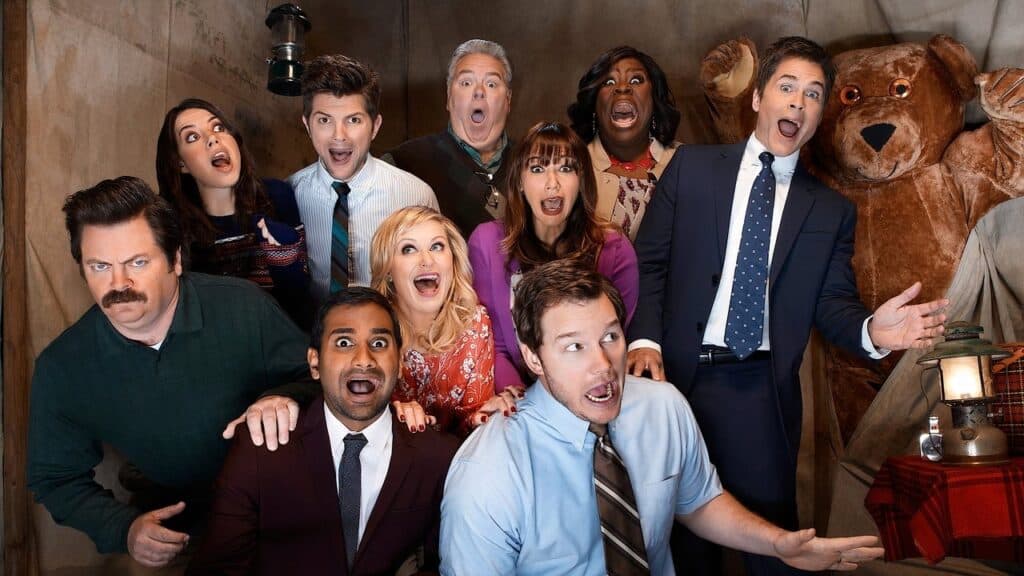
What Parks and Recreation Deprioritizes:
- Cynicism: It avoids dwelling on failure. Even antagonists are rarely “dangerous,” which can lower the stakes for viewers who prefer sharper satire.
- Tension: The “emotional safety net” is always visible. You usually know things will turn out okay.
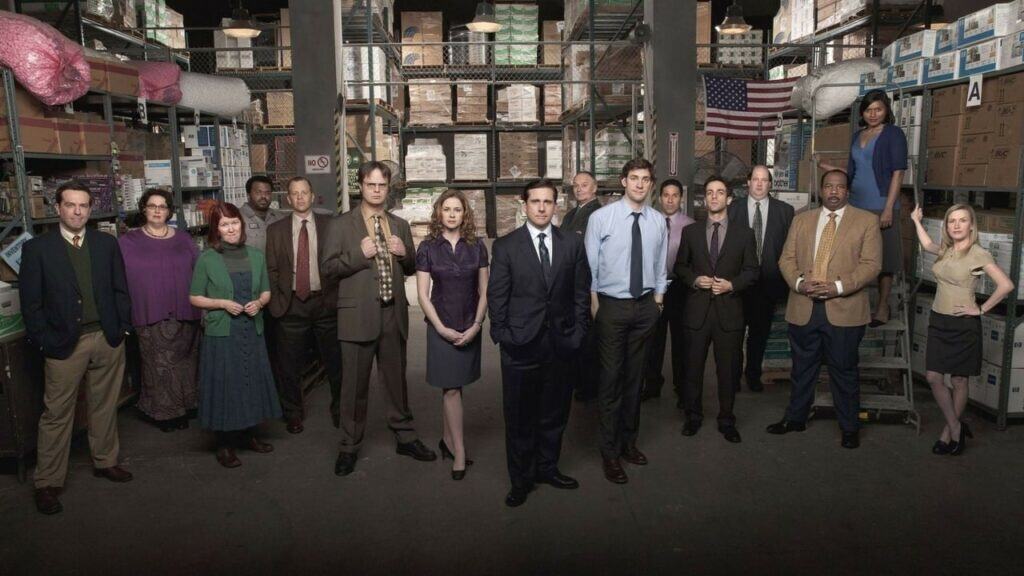
What The Office Deprioritizes:
- Frequent Payoffs: It doesn’t offer a “win” every episode. Characters often stay stuck in frustrating loops.
- Speed: The pacing is slower. It relies on pauses and reaction shots, which may feel “slow” if you’re looking for a high joke-per-minute ratio.
Frequently Asked Questions
Is Parks and Recreation more “wholesome” than The Office?
Generally, yes. Parks and Rec emphasizes teamwork and mutual support, whereas The Office finds humor in dysfunction and social friction.
Which show is easier to have on in the background?
Parks and Recreation is often cited as better background viewing because its high energy and bright colors keep the “vibe” upbeat, whereas The Office rewards closer attention to subtle facial expressions.
Do I need to skip the first seasons?
Both shows famously struggle in Season 1. The Office is finding its own identity away from the UK original, and Parks and Rec is figuring out that Leslie Knope should be a hero, not a joke. Both improve significantly in Season 2.
Final Verdict: Which One Should You Watch?
- Choose Parks and Recreation if: You want to feel inspired, you value visible character arcs, and you want a show that reinforces the idea that hard work and kindness pay off.
- Choose The Office if: You want to laugh at the “cringe” of real life, you appreciate subtle performance details, and you find comfort in the relatable awkwardness of the human condition.
Choosing between them is less about which is “better” and more about deciding which emotional rhythm you want to settle into tonight.