
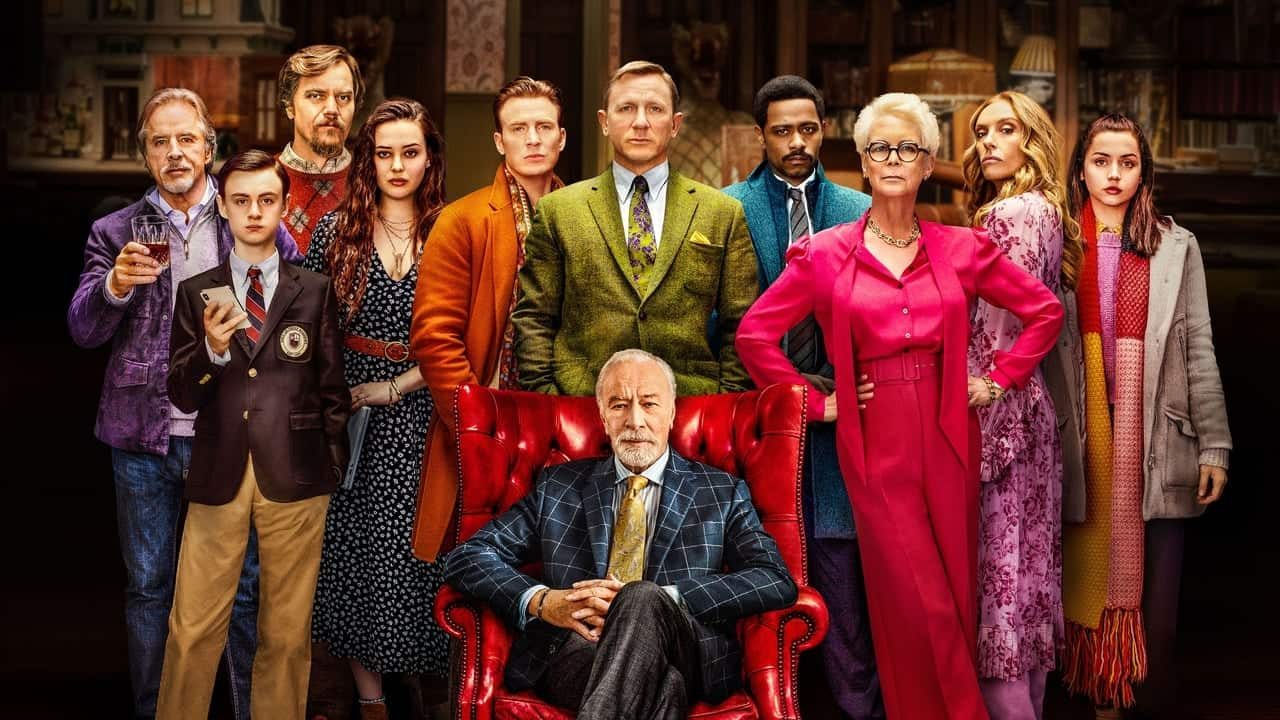
This list is for viewers who want smart, playful mysteries built around clever twists, sharp pacing, and characters who feel one step ahead of you. If you are searching for Movies Like Knives Out With Clever Twists, this guide focuses on titles that deliver satisfying reveals without wasting your time.
Twist driven mysteries are trending again because audiences want active viewing, not passive background noise. People are chasing that feeling of being surprised but also respected by the story. They want clean setups, smart misdirection, and endings that click into place. This list breaks down three movies to watch, three to skip, and extra quick picks that hit the same energy across major streaming platforms.
3 Shows to Watch

1. The Nice Guys
The Nice Guys thrives because it treats its mystery like a moving target rather than a straight line. From the opening moments, the movie establishes a rhythm where information is constantly being recontextualized. Clues feel casual at first, almost tossed away in jokes or throwaway conversations, then circle back later with unexpected weight. That structure keeps viewers mentally engaged without ever feeling like homework.
Pacing is the real secret weapon here. Scenes rarely linger, but nothing feels rushed. Each interaction pushes the story forward while deepening the chaotic chemistry between its leads. Their opposing personalities create friction that doubles as misdirection. While you are focused on their banter, the story is quietly laying groundwork for later reveals. When twists land, they feel earned because the information was always present, just disguised.
Character chemistry plays directly into the twist mechanics. The characters make mistakes, jump to conclusions, and misread situations, which mirrors how the audience processes the mystery. You are not watching a genius solve everything instantly. You are watching flawed people stumble forward, which makes the eventual clarity feel rewarding. The emotional payoff comes from watching these characters slowly realize how deep the puzzle goes.
Structurally, the movie balances humor and mystery without letting one overpower the other. The comedy lowers your guard. The mystery takes advantage of that. By the time the final pieces fall into place, the story has trained you to expect chaos, not precision. That contrast makes the clever turns hit harder and stick longer after the credits roll.
Perfect For: Viewers who want a fast talking mystery where humor distracts just enough to make the twists feel sharper.

2. Game Night
Game Night works because it commits fully to escalation. What begins as a contained setup keeps widening in scope, forcing both the characters and the audience to constantly reassess what is real. The movie understands that clever twists do not need to be complicated. They need to be surprising, logical, and delivered at the right moment.
Pacing is tight and intentional. Each sequence builds directly on the last, with no filler scenes slowing momentum. The story uses repetition as a tool, revisiting similar situations with slightly altered context each time. That repetition trains the viewer to expect patterns, then breaks them in smart ways. When twists happen, they feel like natural extensions of what came before rather than random shocks.
Character chemistry is central to the experience. The ensemble dynamic creates overlapping motivations and misunderstandings that feed into the mystery. Everyone thinks they understand the rules, and everyone is wrong in a different way. That layered confusion allows the movie to reveal information piece by piece without ever stopping the action.
Emotionally, the payoff comes from watching confidence slowly turn into humility. Characters who think they are in control learn they are just pieces on a larger board. That shift mirrors the viewer’s journey, moving from certainty to curiosity to satisfaction. The final turns land because the movie never cheats, even while constantly changing the game.
Perfect For: Viewers who enjoy twisty stories that feel playful, fast moving, and smart without becoming heavy.

3. Bad Times at the El Royale
Bad Times at the El Royale leans into atmosphere and structure to deliver its twists. Instead of rushing reveals, it builds tension through carefully staged perspective shifts. The story invites you to watch events from multiple angles, each one reframing what you thought you understood. This approach makes the twists feel layered rather than abrupt.
Pacing here is deliberate but purposeful. Quiet moments are used to establish mood and plant subtle clues. When the story pivots, those earlier details snap into focus. The movie trusts viewers to remember what they have seen, rewarding attention rather than spoon feeding explanations.
Character chemistry is quieter but no less impactful. Each character enters the story with secrets, and the slow unveiling of those secrets drives the narrative forward. Emotional payoff comes from realizing how these individual arcs intersect. The twists do not exist just to surprise, they exist to expose character truth.
Structurally, the movie treats its setting as a puzzle box. Rooms, timelines, and perspectives all function as pieces that eventually align. When the story finally reveals its full shape, it feels cohesive and intentional. The cleverness lies in restraint, allowing tension and curiosity to do most of the work.
Perfect For: Viewers who like slow burn mysteries where perspective shifts create satisfying late stage revelations.
Why These Shows Work
The appeal of Knives Out comes from how it balances accessibility with intelligence. Viewers are invited into a mystery that feels playful rather than intimidating. The structure encourages active engagement, rewarding attention without punishing casual viewers. Character dynamics create emotional investment, while the pacing ensures momentum never stalls.
At its core, the experience is about trust. The story trusts the audience to follow along, notice details, and enjoy being misled in fair ways. Humor softens the experience, making sharp turns feel fun rather than frustrating. Long term engagement comes from the sense that everything matters, even moments that seem insignificant at first.
The selection criteria for this list were intentional and narrow. Each pick prioritizes structured reveals over shock value. Ensemble driven storytelling matters more than individual brilliance. Pacing must support curiosity, not confusion. Emotional payoff needs to come from clarity, not chaos.
- The Nice Guys fits because its humor driven misdirection hides a carefully constructed mystery that rewards attention.
- Game Night aligns through escalation, using repetition and rule breaking to deliver clean, satisfying turns.
- Bad Times at the El Royale belongs due to its perspective based structure, turning atmosphere into a tool for delayed revelation.
Together, these movies replicate the feeling of being entertained, surprised, and respected by the story.
3 Shows to Skip
1. Murder on the Orient Express
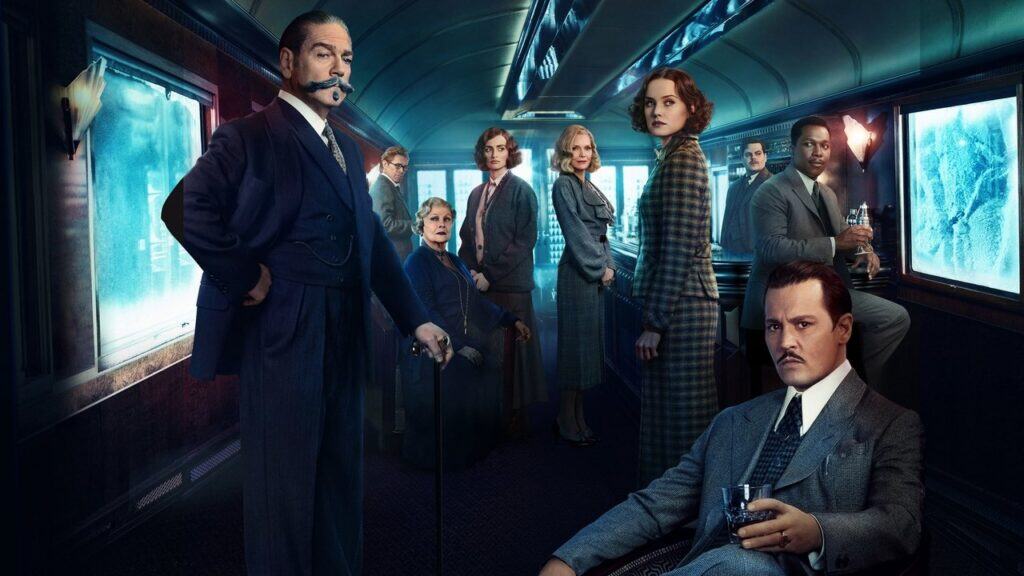
Murder on the Orient Express often attracts viewers looking for a smart mystery with a big reveal. On paper, it seems like a natural fit. A famous detective, a closed environment, and a cast full of secrets all suggest clever twists. The expectation is that the story will build tension through character interaction and layered misdirection.
Where it falls short compared to the top picks is in pacing and delivery. The structure feels more formal and restrained, which limits the impact of its reveals. Instead of allowing twists to unfold organically through character behavior, the story relies heavily on explanation. Momentum slows as information is delivered rather than discovered.
Character chemistry is another issue. While the ensemble is impressive, interactions feel segmented rather than interconnected. Each character exists in their own bubble, which reduces the sense of overlapping motives that make twists feel dynamic. Emotional payoff suffers because the mystery resolves intellectually rather than experientially.
The final revelation may be clever on a conceptual level, but it lacks the playful misdirection and escalating tension that define stronger examples. Viewers are told what happened instead of feeling it snap into place.
Perfect For: Viewers who enjoy classic, formal mysteries with a measured pace and traditional storytelling.
2. See How They Run
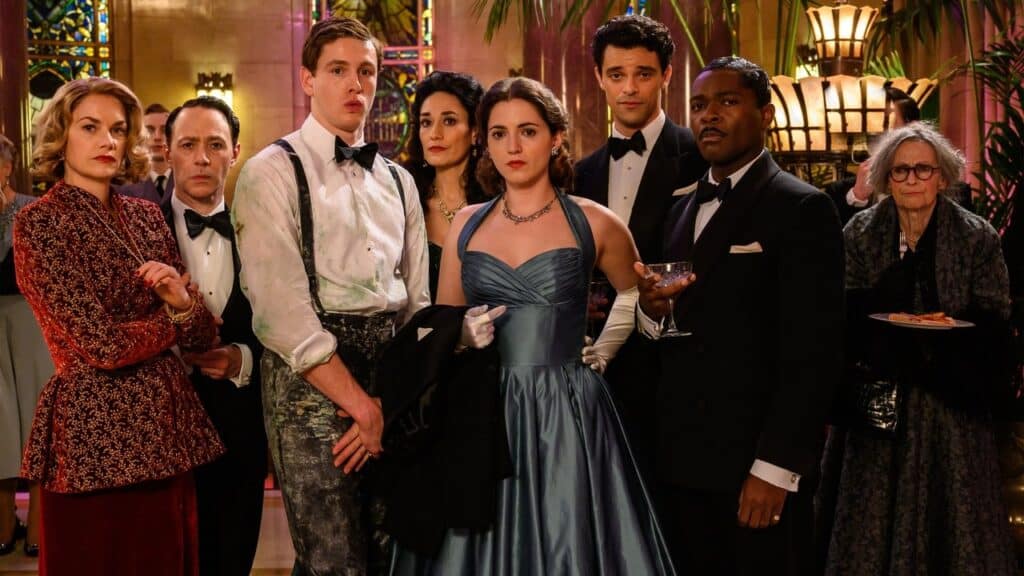
See How They Run positions itself as a witty, self aware mystery with a theatrical backdrop. It signals cleverness early, inviting viewers to expect smart twists and layered storytelling. The setup promises a playful experience that comments on its own structure.
The issue lies in execution. Pacing feels uneven, with long stretches of setup followed by rushed reveals. Instead of building tension through character interaction, the movie leans heavily on dialogue and meta commentary. That approach creates distance rather than engagement.
Twists arrive, but they lack emotional weight because the story never fully grounds the audience in its stakes. Characters feel more like vehicles for jokes than participants in a puzzle. As a result, reveals feel clever in theory but hollow in practice.
Compared to the top picks, this movie prioritizes tone over structure. The mystery exists, but it does not drive the experience. Viewers may appreciate the style, but those chasing satisfying twists may feel underfed.
Perfect For: Viewers who enjoy self aware storytelling and theatrical humor more than puzzle driven mysteries.
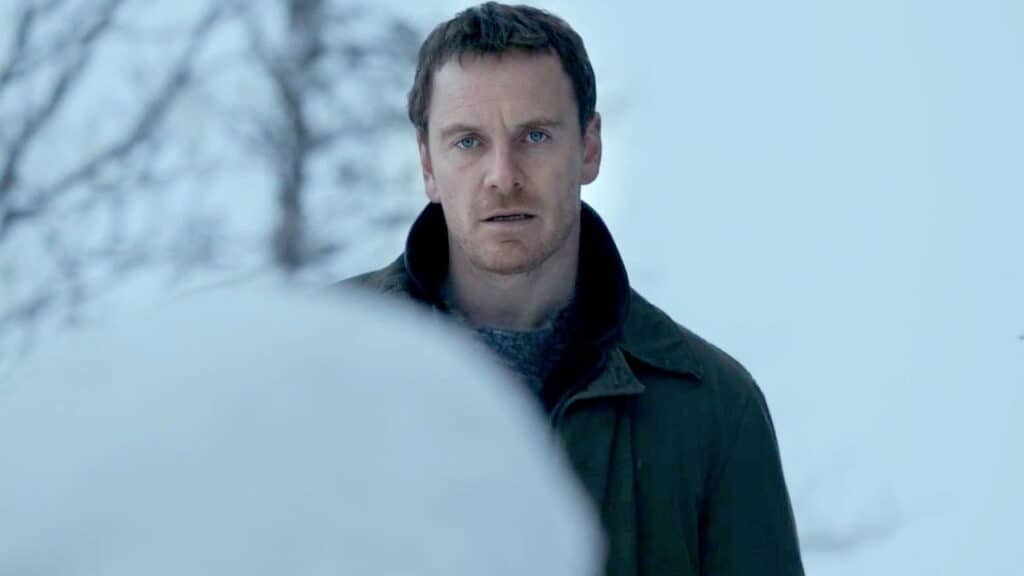
3. The Snowman
The Snowman draws interest from viewers expecting a dark, intricate mystery with chilling twists. Its atmosphere suggests depth and complexity, setting up expectations for a slow reveal and meaningful payoff.
Unfortunately, the structure undermines those expectations. Pacing is inconsistent, with important information introduced without proper buildup. Twists feel disconnected because the story does not clearly establish its rules early on. Instead of misdirection, there is confusion.
Character chemistry is minimal, which weakens emotional engagement. Without strong relational dynamics, reveals lack resonance. The story tells you something surprising happened, but it rarely makes you feel it.
Compared to the strongest picks, this movie lacks cohesion. Twists exist, but they are not supported by structure or character investment. The result is an experience that feels fragmented rather than clever.
Perfect For: Viewers who prioritize mood and atmosphere over tightly constructed storytelling.
Why These Don’t Work
These movies are not bad, they simply do not match the specific experience this list targets.
- Murder on the Orient Express relies on explanation driven resolution rather than experiential discovery, reducing the impact of its reveal.
- See How They Run focuses on style and commentary over structural payoff, leaving twists feeling underdeveloped.
- The Snowman lacks the clear setup and character engagement needed for twists to feel earned rather than abrupt.
Each misses the balance of pacing, chemistry, and clarity that makes Knives Out experience so satisfying.
10 Quick Picks
-
Logan Lucky: A playful setup that hides its smartest moves in plain sight.
-
Clue: Fast pacing and ensemble chaos create constant recontextualization.
-
The Gentlemen: Stylish misdirection paired with character driven reveals.
-
Kiss Kiss Bang Bang: Humor masks a tightly wound mystery structure.
-
Ocean’s Eleven: Information control turns planning into payoff.
-
The Outfit: Contained setting amplifies shifting power dynamics.
-
A Simple Favor: Social misdirection fuels sharp reversals.
-
Layer Cake: Perspective shifts redefine character intent.
-
Gone Girl: Controlled reveals reshape audience assumptions.
-
The Kid Detective: Emotional clarity elevates its late stage turns.
Frequently Asked Questions
What makes a mystery movie feel clever instead of confusing?
A clever mystery sets clear rules early and follows them consistently. Like Knives Out, the story reveals information through character choices and cause-and-effect moments, not long explanations.
Do movies like Knives Out rely on big twists or small reveals?
They usually rely on a series of controlled reveals rather than one massive shock. The satisfaction comes from watching pieces line up over time, not from sudden reversals that come out of nowhere.
Are these movies more about plot mechanics or character interaction?
Character interaction is essential. The plot moves forward because of how people lie, react, and make decisions, which is why the twists feel grounded instead of mechanical.
Is rewatch value important for this type of movie?
Yes. Strong twist driven movies often reward repeat viewing by making earlier scenes feel more intentional once you understand the full structure.
Should viewers expect fast pacing or slower builds?
Both can work, but pacing always serves clarity. Whether fast or deliberate, scenes are designed to keep viewers oriented while steadily shifting what they think they know.