
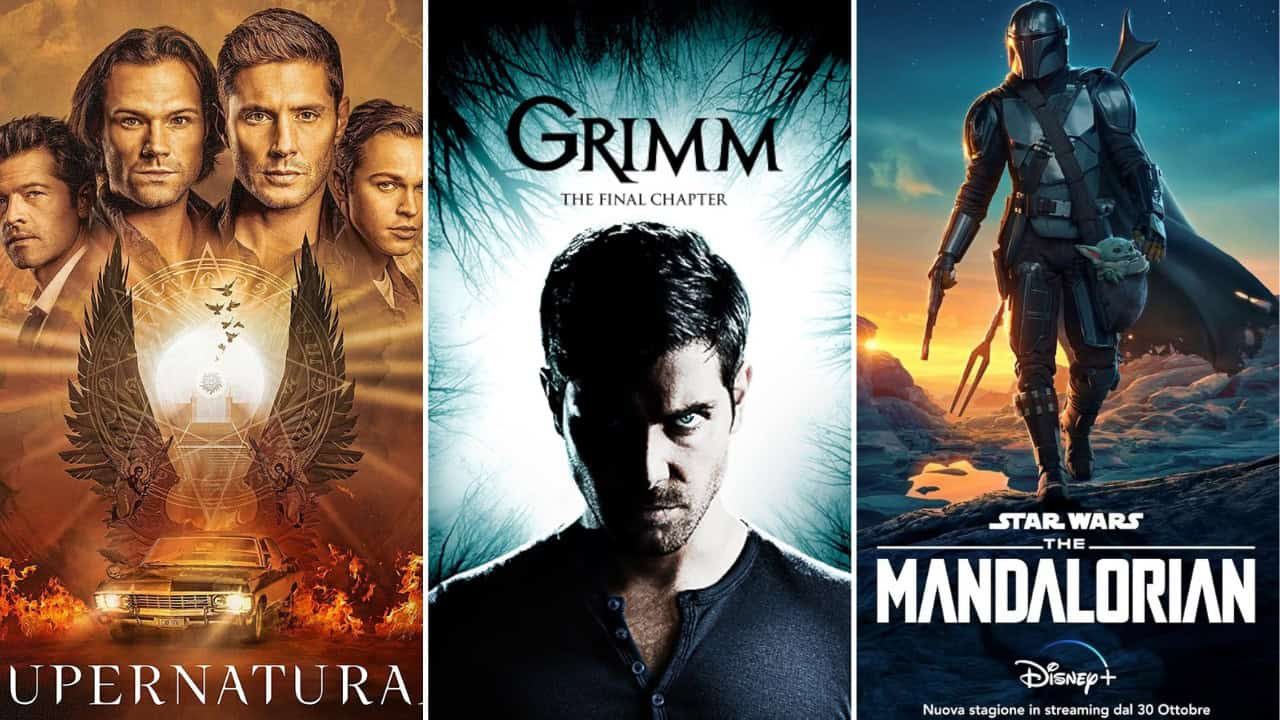
This list is for viewers who care most about the hunt itself. If you want shows built around tracking monsters, preparing for combat, and surviving the job afterward, this is your filter.
Monster Hunting Shows Like The Witcher are trending because audiences are leaning into task driven storytelling. Viewers want episodes built around a clear objective, a creature to confront, and a price to pay. This format fits modern viewing habits. You can jump into an episode, understand the mission quickly, and still feel the long term impact on the hunter doing the work.
The emotional pull comes from watching professionals face danger repeatedly. These characters are not chasing glory. They hunt because it is their role, their curse, or their only way forward. Every job tests their skill, patience, and limits. That repetition builds tension, especially when hunts go wrong or force hard choices.
Core themes stay focused. Survival, preparation, teamwork, and consequence matter more than spectacle. Monsters are problems to solve, not just obstacles to defeat. The tone favors forward momentum, clear stakes, and character moments that come after the fight, not before it.
Many of these shows are easy to find across major streaming platforms. Below you will find three must watch picks, three shows to skip, and ten more recommendations when you want more monster hunting energy.
3 Shows to Watch
1. Supernatural
Supernatural remains one of the strongest long running examples of monster hunting as a weekly structure. Each episode is built around a hunt, with clear setup, investigation, confrontation, and fallout. That rhythm creates comfort while still allowing emotional growth.
Pacing is its secret weapon. Hunts move quickly, but never feel rushed. Preparation scenes matter. Research, arguments, and tactical decisions shape outcomes. When things go wrong, the consequences stick, especially in how characters approach the next job.
Character chemistry carries the entire experience. The central partnership evolves through shared danger and repeated loss. Trust is tested constantly, not through speeches, but through split second choices during hunts. Emotional payoff comes from seeing how the job wears them down over time.
Structurally, the show balances standalone hunts with longer arcs without losing focus. Even when larger threats loom, individual monster encounters remain the heartbeat. You always know why the characters are on the road and what the job requires.
The show understands that monster hunting is a lifestyle, not a phase. That clarity makes it one of the most reliable watches for fans who value the hunt above all else.
Perfect For: Viewers who want consistent monster of the week action with strong character bonds and long term consequences.
2. Grimm
Grimm centers its storytelling around identifying, tracking, and confronting dangerous creatures hiding in plain sight. Each hunt feels grounded in process. Observation, preparation, and restraint matter as much as combat.
The pacing favors escalation. Early encounters introduce rules, later hunts twist them. That evolution keeps the format fresh without abandoning the core structure. You feel the main character growing more competent, but also more burdened by responsibility.
Character chemistry plays out through uneasy partnerships. Allies bring different strengths to each hunt, and tension often comes from conflicting approaches. Emotional payoff arrives when characters choose to protect others, even at personal cost.
The show’s structure excels at making hunts feel necessary rather than random. Each creature encounter forces a choice. Ignore the threat, manage it quietly, or confront it directly. Those decisions shape relationships and future hunts.
Grimm succeeds because it treats monster hunting as a learned skill. Mistakes matter. Experience matters more. That focus keeps every episode rooted in the work itself.
Perfect For: Viewers who enjoy methodical hunts, evolving rules, and watching a hunter learn on the job.
3. The Mandalorian
The Mandalorian translates monster hunting principles into a broader setting without losing focus. Many episodes revolve around contracts, tracking targets, and surviving encounters that test skill and patience.
Pacing is clean and deliberate. Each mission has a clear objective, obstacles, and consequences. Preparation scenes build tension, while action scenes stay tight and purposeful. Nothing feels wasted.
Character chemistry is subtle but powerful. Bonds form through shared danger rather than dialogue. Emotional payoff often comes after the hunt, when the cost of taking the job becomes clear.
Structurally, the show favors episodic storytelling with connective tissue. You can enjoy individual hunts while still tracking long term growth. That balance makes it easy to watch without losing depth.
What elevates it is restraint. Hunts are not flashy for the sake of spectacle. They are calculated, risky, and sometimes avoided entirely. That choice reinforces the weight of the work.
Perfect For: Viewers who like contract driven storytelling, quiet character growth, and tightly focused hunt episodes.
Movies Like Harry Potter is a strong next step for viewers who want creature driven stories in a shorter format with clearer entry points.
3 Shows You Should Skip
1. Shadow and Bone
Shadow and Bone attracts monster hunting fans with its creatures and combat setup. At first glance, it appears to offer regular confrontations and dangerous missions.
The issue is focus. Hunts often feel secondary to broader plot movement. Creatures appear as obstacles rather than central problems to solve. Preparation and aftermath receive limited attention, which weakens tension.
Pacing leans toward momentum over process. Encounters resolve quickly, leaving little room for tactical decision making. Emotional payoff comes more from relationships than from the hunt itself.
While there are moments that hint at stronger monster hunting potential, the show consistently shifts attention elsewhere. For viewers who want the job to drive the story, it can feel unfocused.
Perfect For: Viewers who enjoy creature encounters but care more about interpersonal drama than hunt structure.
2. The Shannara Chronicles
The Shannara Chronicles promises dangerous creatures and heroic confrontations. On paper, it seems like a fit for monster hunting fans.
In practice, hunts lack structure. Creatures appear without buildup and disappear without consequence. Preparation is minimal, making encounters feel interchangeable.
Pacing moves fast but without purpose. Emotional moments are rarely tied to the act of hunting. Characters do not visibly change how they approach danger over time.
The show favors spectacle over skill. That choice undermines the satisfaction of watching professionals face threats methodically.
Perfect For: Viewers who want quick fantasy action without emphasis on the hunt itself.
3. The Rings of Power
The Rings of Power includes creatures and battles that suggest monster hunting appeal. Expectations are high due to its scale.
However, encounters are rarely framed as hunts. Creatures exist as narrative events, not jobs to be prepared for or survived. Little attention is paid to tracking, planning, or consequence.
Pacing stretches encounters thin, reducing tension. Emotional payoff comes from broader storylines rather than the act of facing monsters.
For viewers seeking focused monster hunting, it feels distant and indirect.
Perfect For: Viewers who enjoy large scale fantasy moments without needing hunt driven storytelling.
10 More Shows That Fit This Vibe
- Buffy the Vampire Slayer: Episodes revolve around identifying threats and neutralizing them.
- The X-Files: Each case follows investigation, confrontation, and fallout.
- Van Helsing: Survival depends on constant creature encounters.
- Witchblade: Threats demand preparation and sacrifice.
- Castlevania: Fights are planned, earned, and costly.
- Hellsing Ultimate: Each mission centers on eliminating dangerous entities.
- Penny Dreadful: Characters repeatedly confront lethal beings.
- Sweet Home: Survival hinges on facing evolving threats.
- Into the Badlands: Combat is driven by constant danger.
- Blood Drive: Every encounter tests readiness and resolve.
Q & A
What defines a true monster hunting show?
Clear objectives, preparation, confrontation, and consequences. The hunt must drive the episode.
Do monster hunting shows need weekly creatures?
Not always, but regular encounters help maintain focus on the job.
Are these shows good for casual watching?
Many are, especially those with episodic hunt structures.
Do hunters always win?
No. Loss and compromise are key to emotional payoff.
Is character growth tied to the hunts?
In the strongest examples, yes. Experience changes how hunters approach danger.
If you are also curious about fantasy stories built around long term character growth rather than contracts, check out Shows Like Percy Jackson for Mythology Fans. It is a great follow up when you want adventure without constant hunting.