
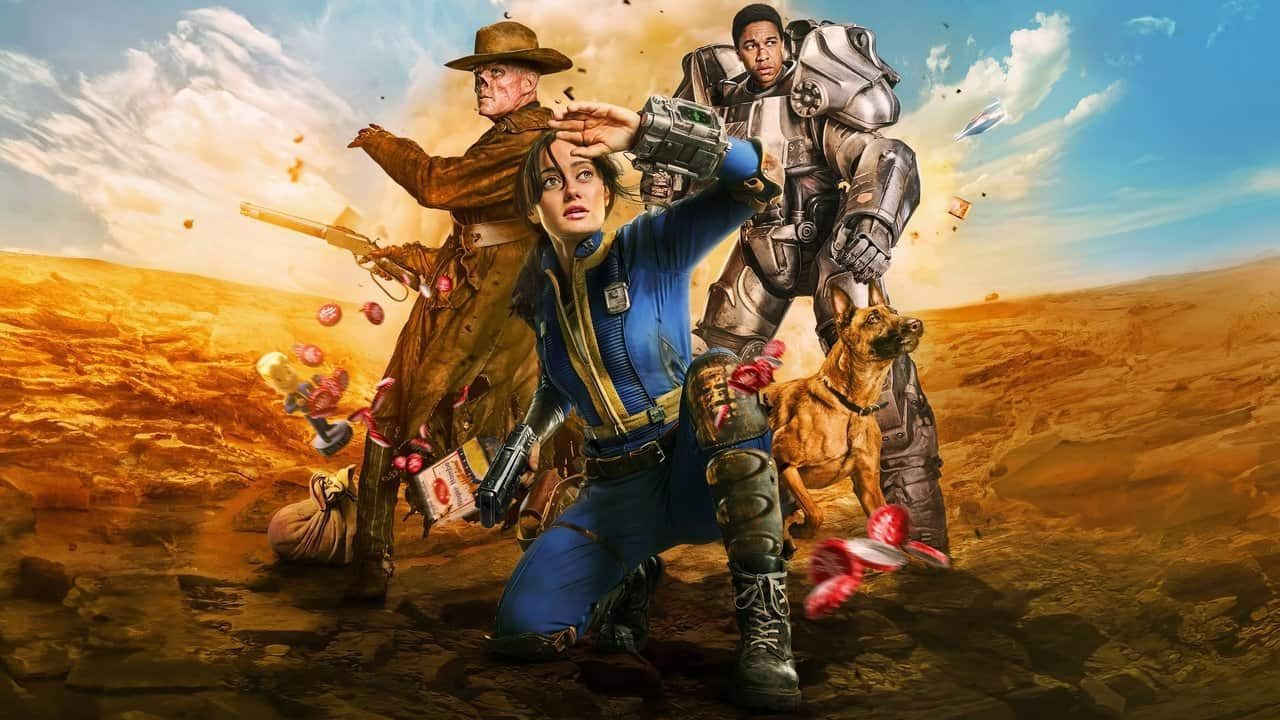
The Prime Video adaptation of Fallout has become a cultural phenomenon, but it is also one of the most divisive prestige series in recent years. Some viewers find it to be an instant classic, while others find themselves struggling to connect with its specific rhythm.
If you are wondering whether Fallout is worth your time, you are likely feeling that disconnect between the show’s marketing and its actual experience. This guide will help you understand what makes the show tick, who it is designed for, and whether it aligns with your personal entertainment preferences.
If you are looking for a bold genre series that stands out from safer streaming releases, Fallout belongs in the same broader conversation as the best shows to stream in 2026 across all platforms.
The Expectations Trap: What Is Fallout?
The most common reason viewers stop watching Fallout is a simple mismatch in expectations. Many viewers approach the series expecting a grim, straight-faced post-apocalyptic drama similar to other popular survival shows.
In practice, Fallout is something else entirely. It is a series built on tonal contrast. It combines retro-futurist charm with visceral body horror, and it blends earnest character motivation with ruthless, deadpan satire.
The show is not trying to be a realistic survival thriller. It is an exploration of the absurdity of systems, the way institutions manipulate history, and how individuals navigate a world defined by inherited delusions. Understanding that the show is intentionally playful, weird, and violent rather than simply “grim” is the key to deciding if it is for you.
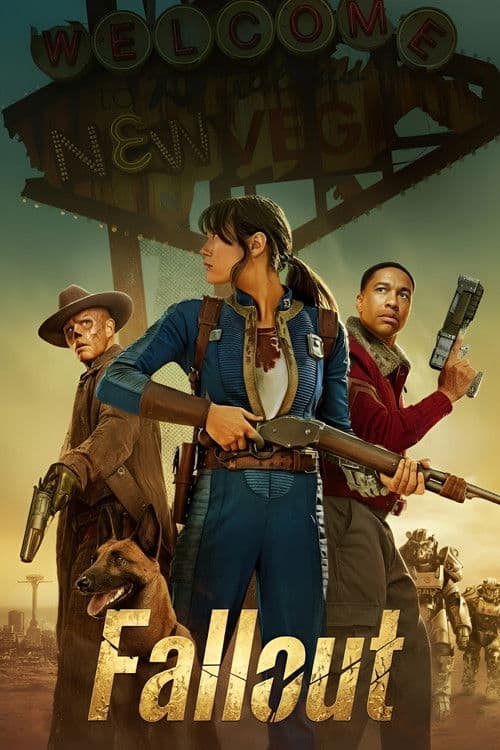
That unusual mix is exactly why Fallout feels so different from more familiar genre programming, and why it fits best beside other standout picks in the best sci-fi shows on Netflix for 2025, even if its tone is much stranger than most.
Understanding the Fallout Viewing Experience
To help you decide, we have broken down how the show behaves across its runtime.
Tonal Instability as a Feature
Fallout does not want you to settle into one emotional lane. A single scene might transition from a moment of genuine sincerity to a burst of slapstick comedy or shocking gore. For many, this “tonal whiplash” makes the show feel alive and unpredictable. For others, it prevents them from feeling grounded.
That unpredictability is part of what makes Fallout click for viewers who like genre shows that mix emotional stakes with strangeness, much like the series we highlight in 15 shows like Stranger Things that actually match the vibe.
Pacing and Narrative Drive
The show is not built like a suspense machine that only moves forward. It is, instead, a series that loves to wander. It prioritizes atmosphere, side encounters, and world-building texture over constant narrative acceleration. If you need every scene to push the plot toward a major reveal, you may find the pacing loose. If you enjoy immersing yourself in a setting’s details, you will likely find the detours rewarding.
Viewers who enjoy piecing together a world gradually instead of being rushed from twist to twist may find Fallout especially satisfying, much like fans of shows like Lost that keep you guessing until the end.
The Role of Stylized Violence
The violence in Fallout is intense and frequent. However, it is rarely “gritty” in the traditional sense. Much of the combat is presented with a wink or a satirical edge. Even so, if you are sensitive to graphic, stylized gore, this remains a significant factor to consider.
The Fallout Decision: Is It for You?
Use this guide to determine if the show’s core identity aligns with your personal preferences.
| If you value… | You will likely love Fallout | You might want to skip it |
| Atmosphere | Eccentric and strange worlds | Grounded, realistic settings |
| Tone | Dark humor mixed with drama | Consistent emotional registers |
| Pacing | Exploratory and detailed | Urgent, high-momentum plots |
| Character | Systems-driven journeys | Intimate, confessional drama |
| Violence | Satirical and stylized | Realistic and restrained |
Why Viewers Stop Watching
If you find yourself disliking the show, it is rarely because it is “poorly made.” The production quality, acting, and world-building are consistently high. Instead, the dissatisfaction usually comes from a waiting period: the viewer spends time waiting for the satire to stop, or for the plot to become more serious, or for the tone to stabilize.
If you realize by the end of episode two that you are waiting for the show to become something else, it is a sign that Fallout is simply not designed for your specific tastes. That is a perfectly valid reaction.
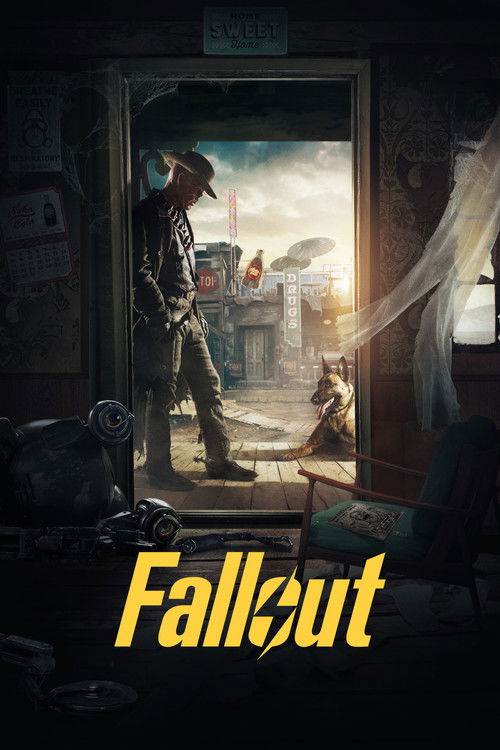
That is why Fallout tends to divide viewers in a very specific way. People who want more traditional emotional realism may be better served by different post-apocalyptic stories, while those who enjoy stranger, riskier genre swings may see it as a hidden standout, much like the unexpected recommendations in hidden gems on Netflix that deserve your attention.
Recommended Shows Similar to Fallout
If you enjoy the vibe of Fallout, you may enjoy these titles:
-
The Boys: If you appreciate the institutional critique and the way the show uses violence to make a satirical point, The Boys is the most direct tonal cousin.
-
Silo: For viewers who enjoy the post-apocalyptic, bunker-based mystery but prefer a much more disciplined, severe, and tension-heavy narrative style.
-
The Last of Us: If you want a post-apocalyptic world that feels grounded in emotional realism and traditional dramatic stakes, this is the gold standard for that experience.
-
Twisted Metal: Shares the show’s dark humor, chaotic energy, and “wasteland” aesthetic, though it is generally lower budget and more focused on action-comedy.
-
The 100: Explores the complexities of faction politics and what happens to humanity after a nuclear event, leaning into both drama and action.
For viewers who finished Fallout and want more ambitious science fiction with a strong sense of identity, the best sci-fi shows on Netflix for 2025 is a useful next stop.
Frequently Asked Questions
Do I need to play the games to enjoy the show?
No. While the show is packed with “Easter eggs” for long-time fans of the game franchise, the story is entirely standalone. You do not need to know the lore to understand the characters or the plot.
Is Fallout just for gamers?
Definitely not. The show is written as a sci-fi satire. If you enjoy shows like The Boys or unusual genre fiction, the fact that it is based on a video game is largely irrelevant to your enjoyment.
In other words, Fallout succeeds less because it is a game adaptation and more because it understands how to hook viewers who already enjoy strange, compelling genre television like the shows featured in 15 shows like Stranger Things that actually match the vibe.
How does Fallout compare to other post-apocalyptic shows?
Most post-apocalyptic shows focus on survival and grief. Fallout focuses on satire, systems, and “retro-future” absurdity. It is closer to a dark fable than a realistic survival thriller.
Viewers expecting a pure survival drama may be surprised by how playful Fallout can be, which is one reason it lands differently than the tension-first stories featured in survival thriller shows like Yellowjackets.
Is the show appropriate for all audiences?
No. The show is rated for mature audiences due to intense violence, gore, and dark themes.
Does the show get better as it goes on?
The tone remains consistent throughout the season. If you do not enjoy the style of the first two episodes, you are unlikely to enjoy the rest of the season.