
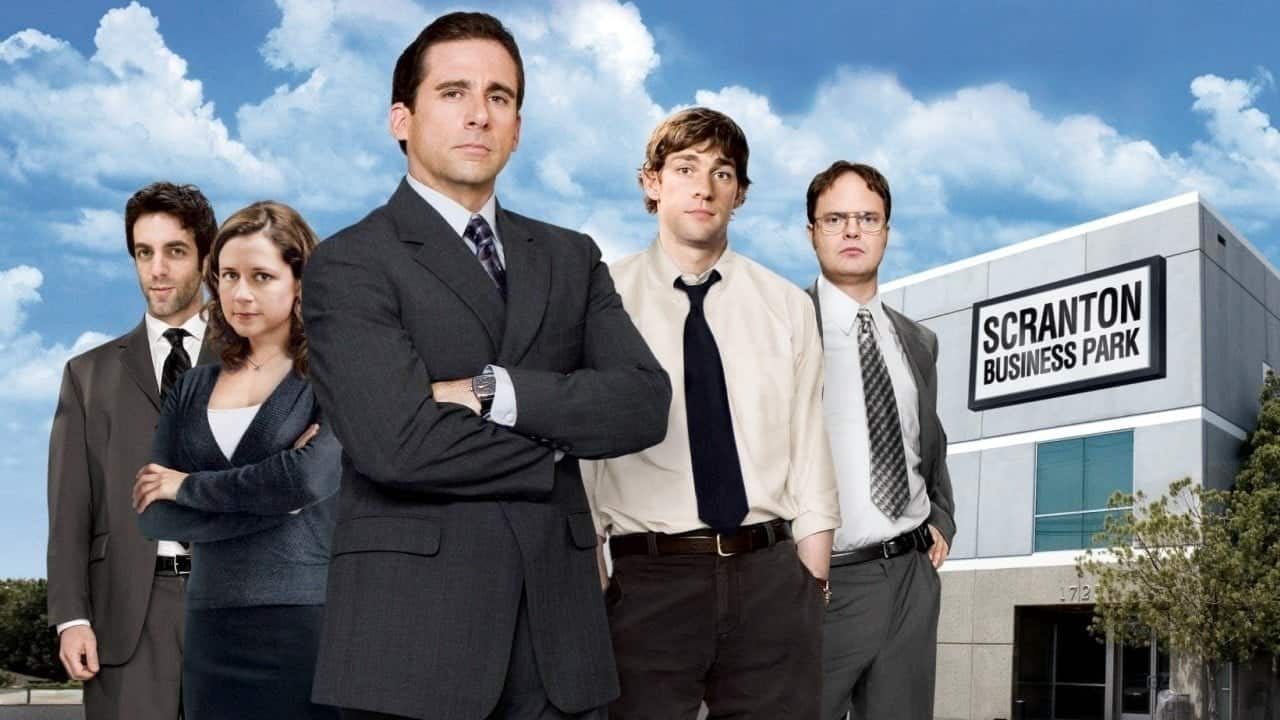
Few shows inspire such immediate affection and such sharp resistance as The Office. For some, it is the ultimate comfort watch that turns awkwardness into warmth. For others, it is a stress test that feels like being trapped in secondhand embarrassment. That split reaction is not accidental. It comes from a precise creative choice that asks viewers to sit with discomfort long enough for empathy to arrive. Whether that gamble pays off depends on what you expect television to give you.
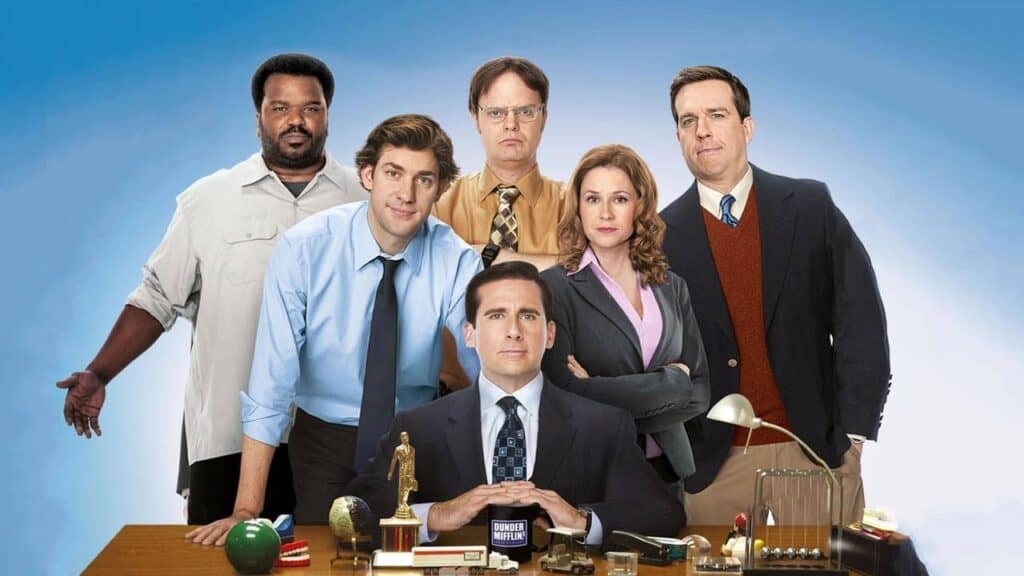
At first glance, The Office looks like a workplace comedy built on cringe and deadpan jokes. Underneath, it is a character study about people who want to be seen and rarely know how to ask for it. The show stands apart because it refuses to flatter its audience or its characters. It watches them fail in small, human ways and waits to see what they do next. That patience is why the show feels timeless to some and intolerable to others. Understanding its emotional engine, character design, and structural rhythm explains why it still sparks debate years after its finale.
What the Show Is Really About
The Office is not ultimately about paper sales or office hijinks. It is about recognition. Almost every major character is chasing validation, often from the wrong place and in the wrong way. Michael Scott wants approval so badly that he mistakes attention for love. Jim wants to be understood without having to explain himself. Pam wants permission to believe her own talent matters. Dwight wants authority because he equates control with safety.
The mockumentary format sharpens this theme. By letting characters speak directly to the camera, the show turns private thoughts into quiet confessions. The humor lands not because the situations are absurd, but because the emotional logic is painfully familiar. People say one thing out loud and another when they think no one is listening. The Office lets both versions exist at once.
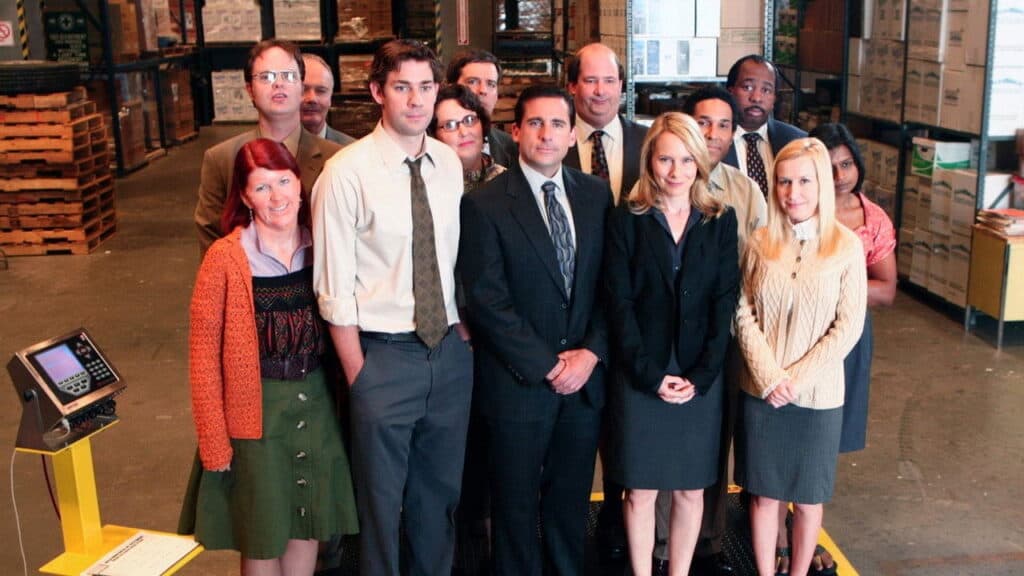
Character Design and Arcs
Michael Scott
Michael is often described as unlikable early on, and that is by design. His internal conflict is simple and raw. He wants to be loved, but he learned attention before affection. His growth feels earned because it is uneven. He does not become wiser in a straight line. He backslides, overcorrects, and occasionally surprises everyone, including himself. When Michael finally learns to put someone else first, the moment lands because the show earned our patience through years of discomfort.
Jim Halpert
Jim begins as the audience surrogate, the person who notices the absurdity and signals that it is okay to laugh. Over time, that role becomes a trap. His flaw is passivity masked as charm. The show gradually asks a harder question. What happens when the person who observes never risks being observed? Jim’s arc works because the show allows him to be wrong without turning him into a villain. Growth comes when he chooses commitment over cleverness.
Pam Beesly
Pam’s journey is quieter and more divisive. Her conflict is internal rather than situational. She struggles with self trust. Early seasons frame her as someone waiting for permission to change her life. Later seasons challenge that framing and ask whether encouragement is enough without follow through. Her arc resonates with viewers who recognize how hard it is to rewrite your own story when you have been underestimated for years.
Dwight Schrute
Dwight functions as both comic exaggeration and emotional anchor. His rigidity, loyalty, and sense of honor make him ridiculous and sincere at the same time. His growth is not about softening his personality, but about directing it. When Dwight finally earns leadership, it feels right because the show has consistently shown his competence beneath the bravado.
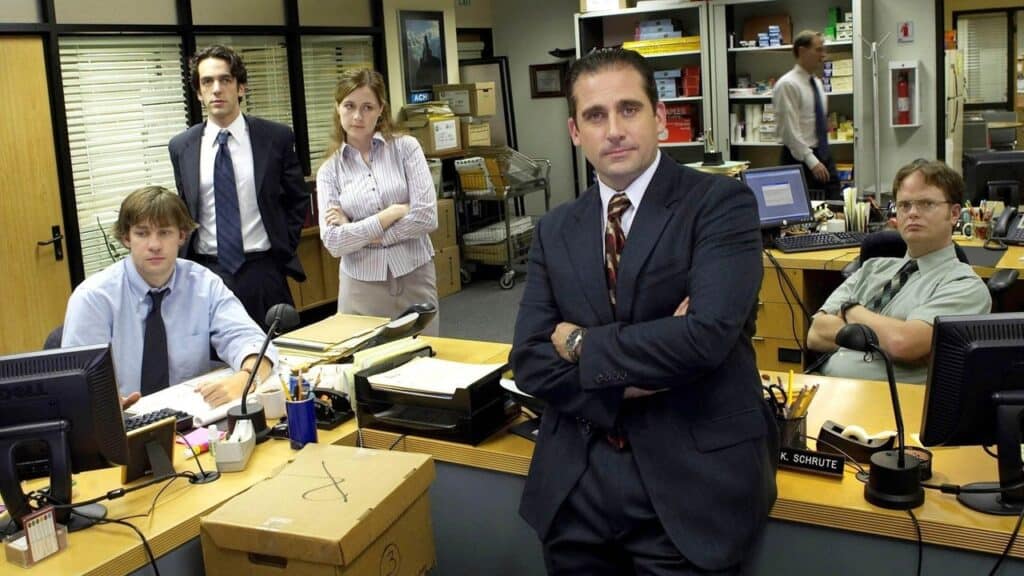
Tone, Pacing, and Structure
The Office thrives on restraint. Jokes are often allowed to sit in silence. Reaction shots do as much work as punchlines. Early seasons lean heavily into discomfort, while later seasons balance warmth with absurdity. That tonal shift is deliberate. As characters become more defined, the show gives them more grace.
Structurally, the series favors long arcs over immediate payoff. Relationships develop in the background. Small decisions echo across seasons. This slow burn approach rewards attentive viewers but can frustrate those looking for quick resolution. The pacing asks for trust. When that trust is given, the emotional payoffs feel organic rather than engineered.
What the Show Gets Right
The Office excels at emotional specificity. It understands that workplaces are where personal and professional identities blur. By keeping stakes small, the show makes feelings feel big. A glance, a pause, or a failed joke can carry more weight than a dramatic speech.
It also respects the intelligence of its audience. The humor rarely explains itself. It lets viewers connect dots and sit with ambiguity. That confidence creates a sense of intimacy. Watching the show feels like being in on a secret rather than being sold a punchline.
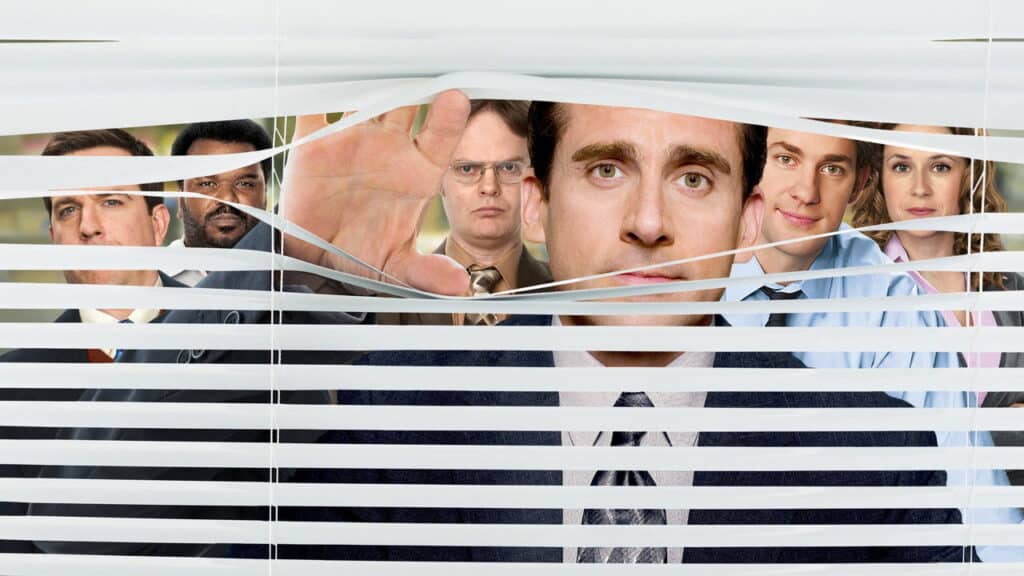
Where the Show Struggles or Divides Viewers
The same choices that make The Office distinctive also limit its appeal. The heavy reliance on cringe can feel exhausting. Not every viewer wants to endure prolonged awkwardness to reach emotional payoff. Additionally, later seasons struggle with cast changes and tonal balance. Some storylines feel like echoes of earlier successes rather than natural progressions.
There is also a cultural shift to consider. Jokes that once felt transgressive can now feel dated or uncomfortable. While the show often critiques its own behavior through context, not every moment ages evenly. That unevenness fuels ongoing debate about its legacy.
Why This Show Connected With Audiences
The Office arrived at a moment when television was experimenting with realism and irony. Its mockumentary style tapped into a growing appetite for authenticity, even when that authenticity was messy. Viewers saw versions of themselves in characters who were rarely idealized.
The rise of streaming amplified this connection. Binge watching softened the harsher edges by allowing emotional arcs to unfold more smoothly. Online fandom transformed quotes and moments into shared language. The show became a cultural touchstone not because it was perfect, but because it felt personal.
Contextual Comparisons
The Office is often discussed alongside other workplace and mockumentary comedies, but its emotional temperature is distinct. Where some series lean into optimism or broad satire, The Office sits in the tension between them. Readers interested in how humor functions inside shared workspaces may find helpful context in this breakdown of shows like The Office with workplace humor, while the stylistic roots of the format are explored more fully in this look at mockumentary shows like The Office. Its role as a comfort watch is also frequently measured against softer ensemble comedies, a comparison examined in this discussion of comfort shows like Parks and Recreation.
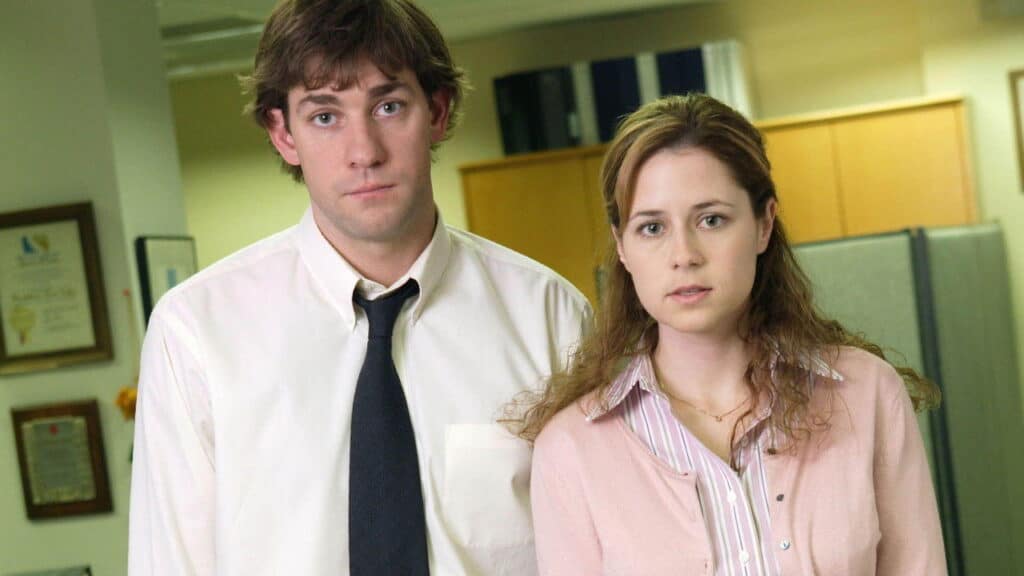
Longevity and Rewatch Value
The Office changes on rewatch. Early cringe becomes easier to tolerate when you know where characters end up. Subtle setups become more visible. What once felt mean spirited can read as empathetic in hindsight. That shift is a sign of thoughtful construction.
Will it age well? Largely, yes, though not without caveats. Its core themes of insecurity, ambition, and connection remain universal. Some jokes will date themselves, but the emotional spine holds. Rewatching becomes less about laughs and more about noticing how carefully the show earned its warmth.
The Office endures because it trusts discomfort to reveal truth. It does not rush characters toward likability or resolution. Instead, it watches them stumble until they learn how to stand. That choice invites strong reactions, both positive and negative, and that is part of its legacy. Loving or rejecting the show often says as much about the viewer as it does about the series. In that sense, The Office succeeds not by pleasing everyone, but by being honest enough to matter.
What to Watch if You Like The Office
3 Shows to Watch
Parks and Recreation
This series shares The Office’s ensemble focus but replaces cringe with optimism. Its emotional DNA centers on belief in systems and people. Where The Office asks viewers to sit with discomfort, Parks and Recreation offers reassurance that sincerity can coexist with humor. It works for viewers who appreciate character driven comedy but want a gentler emotional experience.
Brooklyn Nine-Nine
Brooklyn Nine-Nine mirrors The Office in its use of workplace dynamics to explore identity and belonging. Its structure favors faster pacing and clearer moral alignment. The emotional payoff comes from chosen family rather than prolonged tension. Fans who enjoy ensemble growth without heavy cringe often find this a satisfying parallel.
Superstore
Superstore captures the economic and social pressures of modern work life. Like The Office, it finds humor in routine and frustration. Its commentary is broader and more overt, but the shared focus on underappreciated labor creates a similar emotional resonance.
Why These Work
All three shows understand that workplaces are emotional ecosystems. They succeed by grounding humor in character perspective rather than spectacle, even when their tones differ.
3 Shows to Skip
The IT Crowd
Despite surface similarities, The IT Crowd relies on heightened absurdity and punchline driven humor. Viewers seeking the slow emotional accrual of The Office may find its style too broad and detached from character realism.
Two and a Half Men
This series prioritizes joke density over character growth. While commercially successful, it lacks the introspective lens that defines The Office. Emotional continuity takes a back seat to episodic humor.
Silicon Valley
Silicon Valley excels at satire but operates on a sharper, more cynical wavelength. Its focus on systems and ambition can feel impersonal for viewers drawn to The Office’s quieter emotional beats.
Why These Don’t Work
Each of these shows emphasizes structure or satire over intimacy. For fans who value emotional discomfort as a path to empathy, they may feel adjacent but ultimately unsatisfying.
Frequently Asked Questions
Is The Office more cringe-based than other workplace comedies?
Yes. The Office relies heavily on secondhand embarrassment and long pauses to create humor. That approach can feel emotionally rewarding for some viewers and uncomfortable for others, depending on tolerance for awkwardness.
How does the viewing experience compare to Parks and Recreation?
Parks and Recreation is generally warmer and more optimistic in tone. The Office spends more time sitting with discomfort before offering emotional payoff, which creates a sharper but slower burn experience.
Do I need to watch The Office in order to appreciate similar shows?
No. While it influenced later workplace comedies, shows like Brooklyn Nine-Nine and Superstore are designed to stand on their own. Familiarity with The Office may add context, but it is not required.
Why do some viewers bounce off The Office while liking similar series?
The mockumentary style and extended awkward moments are a common barrier. Viewers who prefer faster pacing or clearer emotional cues often connect more easily with ensemble comedies that minimize cringe.
Is The Office better suited for binge watching or casual viewing?
Binge watching tends to soften its harsher moments by letting character arcs unfold continuously. Casual viewing can make early discomfort feel more pronounced without the long-term emotional context.