
This list is for viewers who press play for outfits as much as story beats and want fashion woven into the rhythm of each episode. If you are searching for Shows Like Emily in Paris With a Fashion Focus, you are in the right place.
This is a recommendation list built to surface comparable options fast, not explainers or deep reviews. Interest in style-forward series is rising as viewers favor visually expressive shows that reward scrolling culture and quick emotional payoff. People are looking for character-driven pacing where clothes signal confidence shifts, power moves, and romantic tension. That means tight episodes, bold aesthetics, and chemistry that pops on screen. Availability varies by platform and region, but each pick is widely accessible through major streaming services.
3 Shows to Watch
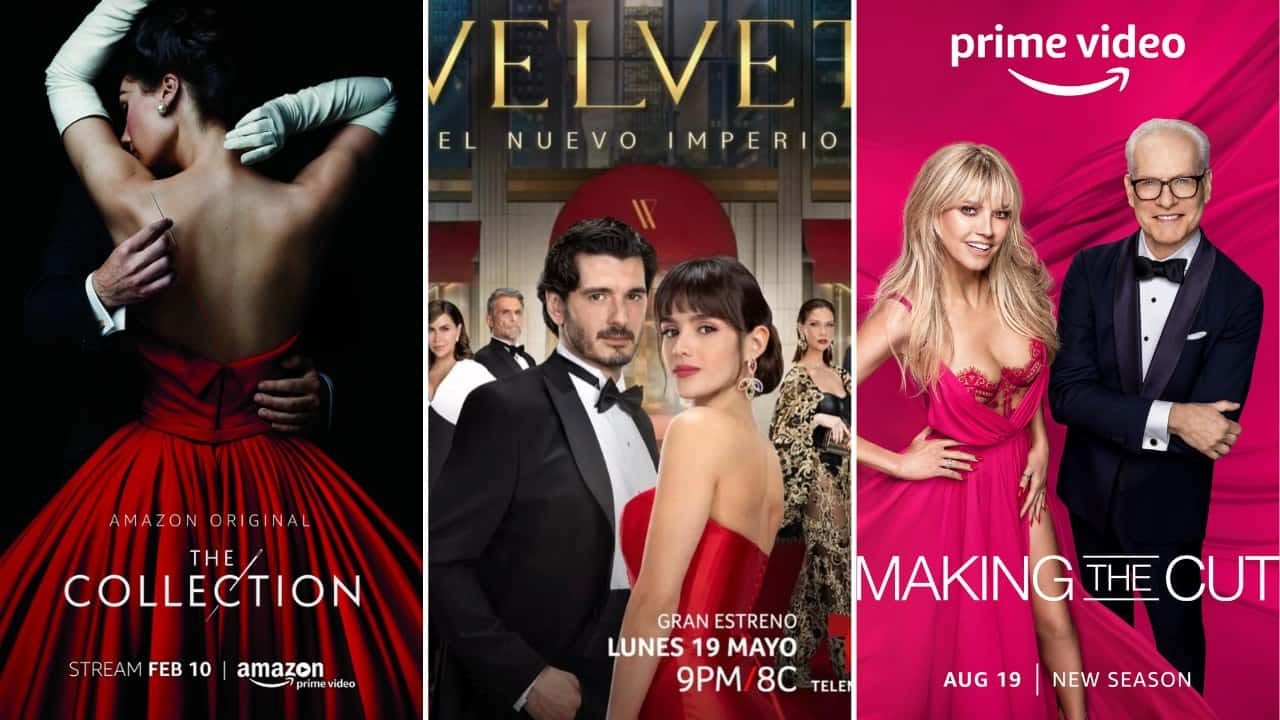
1. The Collection
The Collection earns its place by treating fashion as narrative propulsion rather than decoration. Set inside a high-stakes couture house, the show moves with deliberate momentum, using fittings, runways, and design debates as turning points. Each episode advances relationships through creative pressure, where ambition and intimacy collide in workrooms and salons. The pacing is confident, never rushed, allowing tension to simmer until choices land with weight.
Character chemistry is the engine. Creative partners circle each other with rivalry and attraction, and the clothes they build become extensions of those emotions. When a design succeeds, it changes the balance of power. When it fails, relationships fracture. This structure creates a clean rhythm that mirrors a collection cycle, build, reveal, consequence. Viewers feel payoff because the show aligns emotional beats with visual triumphs.
Emotionally, The Collection rewards attention. It favors arcs over spectacle, trusting that style lovers appreciate process as much as polish. The color palettes, textures, and silhouettes are not background. They are the language of conflict. Compared to breezier shows, this one leans more intimate, but the satisfaction comes from watching craft shape destiny. If you want fashion to feel consequential and characters to carry that weight with poise, this is a top-tier pick.
Perfect For: Viewers who want fashion to drive emotional stakes and character power shifts.
2. Velvet
Velvet delivers lush style with a romantic pulse that keeps episodes flowing. Set around a fashion house and department store, it thrives on ensemble chemistry and evolving relationships. The pacing balances workplace intrigue with personal longing, creating a steady cadence that invites easy bingeing. Scenes transition smoothly from design floors to intimate conversations, keeping fashion central without slowing momentum.
What sets Velvet apart is how it layers emotion through attire. Clothing marks status, aspiration, and rebellion, often before characters say a word. That visual shorthand strengthens emotional payoff. When relationships pivot, the wardrobe mirrors those shifts with elegance and intention. The result is a show that feels warm and cinematic, where style underscores heart.
Structurally, Velvet uses repeating rituals, fittings, launches, and celebrations to anchor long-term arcs. Viewers settle into a familiar rhythm while still getting progression. Compared to more episodic formats, this continuity builds comfort and anticipation. The chemistry is generous and inviting, making the fashion feel lived-in rather than performative. If you want romance and style braided tightly with consistent pacing, Velvet fits the brief.
Perfect For: Viewers who want romantic momentum paired with elegant, story-driven fashion.
3. Making the Cut
Making the Cut approaches fashion with forward motion and clear stakes. While structured as a competition, it succeeds here because of its cinematic presentation and character focus. Episodes move briskly, spotlighting designers as protagonists whose choices and aesthetics define the emotional arc. The pacing favors decisive moments, which keeps tension high and payoff immediate.
Character chemistry emerges through mentorship, critique, and collaboration. The show frames fashion as a personal language, revealing vulnerability and confidence in equal measure. That focus creates emotional beats that land, even within a competitive format. The visual polish elevates each segment, turning challenges into mini narratives with clear beginnings and endings.
Compared to scripted series, the structure is episodic, but the throughline is ambition and identity expressed through clothes. That consistency aligns with viewers who watch for inspiration and momentum. When designs succeed, the emotional release feels earned. When they miss, the consequences are swift and instructive. If you want fashion front and center with clean pacing and cinematic clarity, this show delivers a different but effective angle.
Perfect For: Viewers who want high-energy fashion storytelling with immediate visual payoff.
Why These Shows Work
The appeal lies in brisk storytelling paired with expressive visuals that signal character growth. Viewers respond to a structure that favors short arcs with clear emotional wins, supported by a central character whose confidence evolves in public. Chemistry matters, but so does momentum. Episodes feel complete while feeding a longer arc, which encourages casual bingeing and rewatch comfort.
The selections follow tight criteria. Fashion must influence decisions and relationships. Episodes need clean pacing with emotional payoff. Character chemistry should be legible and reinforced visually. Finally, the structure should support ongoing arcs without heavy exposition. These filters ensure the style is integral, not ornamental.
- The Collection aligns through intimate pacing and fashion-led power shifts.
- Velvet matches via ensemble chemistry and romantic continuity anchored by wardrobe cues.
- Making the Cut fits by delivering cinematic fashion moments with decisive emotional beats.
Each choice honors the same viewer experience from a different angle.
Shows Like Wednesday, A Guide to Dark, Stylish Mystery TV is for viewers who want visual flair with sharper mystery, making it a smart next step if you prefer darker style-forward storytelling.
3 Shows to Skip
1. Next in Fashion
Next in Fashion looks like an obvious match because it promises runway drama and designer personalities. Viewers expect a style-first experience with momentum and emotional payoff. While the visuals are polished, the pacing often fragments the experience. Episodes jump quickly between designers, limiting time to invest in any single arc.
Compared to the top picks, the emotional throughline is thinner. Relationships feel functional rather than evolving, which reduces chemistry. Fashion moments arrive frequently, but they lack narrative weight because consequences reset quickly. The structure prioritizes variety over continuity, which can feel hollow for viewers seeking character-driven payoff.
The show excels as a sampler of trends, not as a sustained story. If you want fashion to guide decisions and emotional beats, this format falls short. It is engaging in bursts, but it does not build the same satisfaction as shows where style changes relationships.
Perfect For: Viewers who want quick inspiration and trend spotting without long-term attachment.
2. Project Runway
Project Runway attracts viewers expecting high-stakes fashion and strong personalities. It delivers iconic moments, but its legacy format works against this list’s criteria. The pacing stretches across many episodes with repeated structures, which can dilute momentum. Emotional arcs exist, yet they often reset season to season.
Character chemistry is present, but the focus is competition mechanics rather than evolving relationships. Fashion is central, but it functions as output more than narrative language. Compared to the watch picks, the emotional payoff arrives sporadically and depends heavily on individual contestants.
For viewers seeking a sleek, cinematic experience where style drives story, the show feels procedural. It rewards loyalty but not quick immersion. That difference places it outside this specific filter.
Perfect For: Viewers who enjoy traditional competition formats and long-form seasons.
3. Glow Up
Glow Up often appears on style-forward lists due to its visual creativity. Viewers expect expressive aesthetics and strong personalities. While the artistry is impressive, the focus is makeup as craft rather than fashion as storytelling device.
The pacing centers on challenges, which limits emotional continuity. Relationships develop lightly, but the structure emphasizes skill demonstration over character evolution. Compared to the top picks, the visual payoff is isolated from long-term arcs.
This makes the experience exciting but not immersive in the same way. For those chasing fashion-led narratives with character momentum, Glow Up operates in a parallel lane.
Perfect For: Viewers fascinated by creative techniques and visual challenges.
Why These Don’t Work
These shows are not poor choices, they simply do not align with the specific filter used here.
- Next in Fashion prioritizes breadth over continuity, which weakens emotional investment compared to style-led character arcs.
- Project Runway emphasizes competition structure, reducing the role of fashion as a narrative language.
- Glow Up centers on technique rather than wardrobe-driven storytelling, shifting the viewer experience away from relationship momentum.
10 Quick Picks
- Halston: Focuses on fashion as identity and power within tight character arcs.
- Daisy Jones and the Six: Uses style to signal fame, intimacy, and creative tension.
- The New Look: Frames couture as cultural expression with emotional stakes.
- Gossip Girl: Leverages wardrobe to define status and relationship dynamics.
- Industry: Uses fashion as a marker of ambition and transformation.
- Inventing Anna: Treats style as performance within social power games.
- Parisian Agency: Visual luxury supports character-driven momentum.
- Pose: Fashion and presentation reinforce evolving identity and community.
- Dynasty: Uses bold looks to amplify rivalry and emotional turns.
- The Idol: Centers visual style as mood and character signal.
Frequently Asked Questions
What shows focus on fashion as part of the story?
Look for series where clothing affects decisions and relationships. These shows use wardrobe as visual language, shaping pacing and emotional payoff rather than serving as background.
Are there scripted shows where fashion drives character arcs?
Yes. Scripted series often integrate fashion into long-term arcs, allowing viewers to track growth and confidence through visual shifts.
Do competition shows fit this fashion-focused vibe?
Some do, but only when character stories carry across episodes. Formats with quick resets tend to feel less immersive.
Which shows balance romance and fashion best?
Shows with ensemble chemistry and recurring settings tend to balance intimacy and style, creating consistent momentum.
Are these shows easy to binge?
Most prioritize clean pacing and contained arcs, making them accessible for casual binge sessions.