
This list is for viewers who want recommendations where martial arts drive the story and character growth. If you are looking for Martial Arts Shows Like Cobra Kai, these picks are filtered for training focus, earned progression, and rivalry built through discipline. Right now, audiences are gravitating toward series designed for binge viewing, where skill development unfolds across episodes instead of peaking in isolated fights.
The goal is to replicate training arcs, rival schools, and confrontations where preparation and consequence matter. These shows rely on clear episode structure, recurring matchups, and momentum that carries across seasons. Availability varies across major streaming platforms by region. Below are three strong matches, three that fall short of this focus, and several quick options to explore next.
3 Shows to Watch
1. Warrior
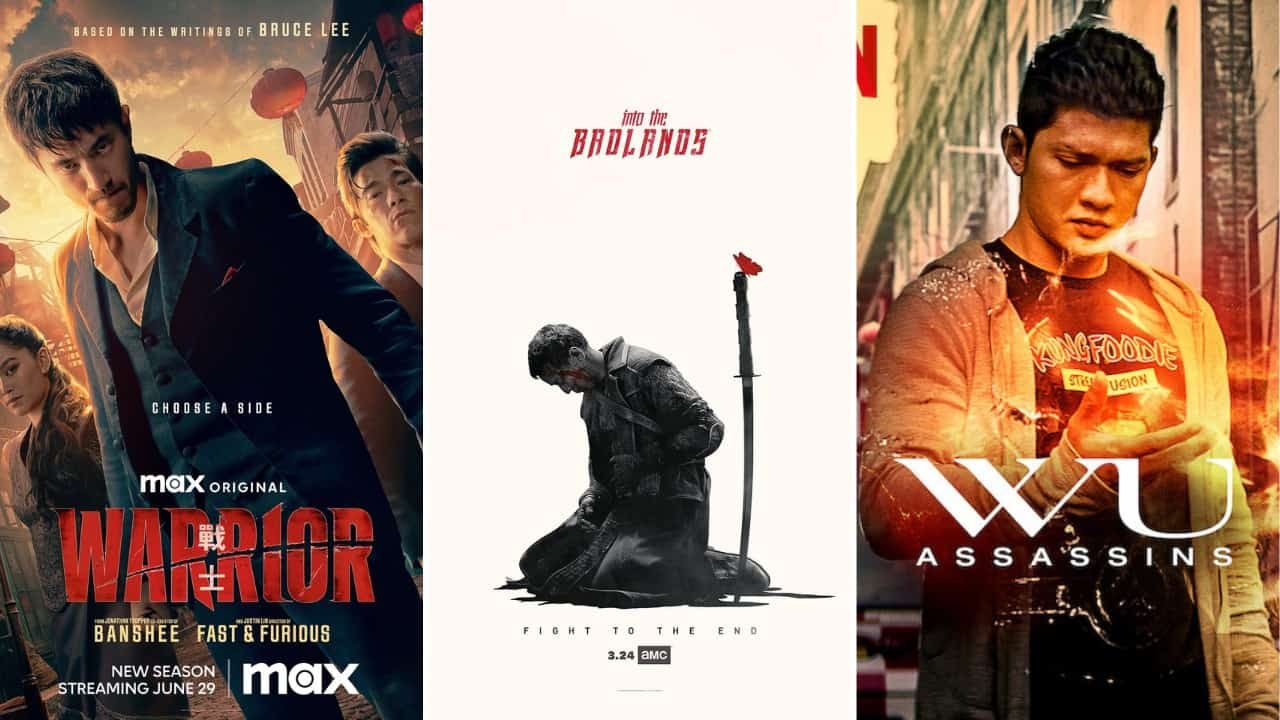
Warrior stands out because martial arts are not an accessory, they are the language every character speaks. From the opening episode, the series commits to skill based combat that reflects philosophy, loyalty, and cultural identity. Each fight tells you something new about who these characters are and what they are willing to sacrifice.
The pacing is deliberate without ever feeling slow. Training sequences matter because they directly shape later confrontations. When rival factions clash, you can trace the outcome back to earlier choices, injuries, and emotional fractures. The structure rewards attention, turning small moments into major turning points when fists finally fly.
Character chemistry is a major strength. Allies spar as often as they fight enemies, creating tension that feels lived in. Rivalries simmer across episodes instead of resolving too quickly, allowing resentment and respect to coexist. When characters finally face each other again, the history between them is unmistakable.
Emotionally, Warrior delivers because it ties pride and survival together. Victories come with consequences, and losses linger. No fight feels disposable. Even brief encounters leave marks on relationships and future decisions. The martial arts choreography reinforces this weight, favoring clarity and impact over noise.
What truly elevates the series is its commitment to progression. Fighters evolve not just in technique but in purpose. As alliances shift and stakes rise, the action remains grounded in training, discipline, and personal codes. That consistency makes the payoff satisfying rather than hollow.
Perfect For: Viewers who want martial arts action that drives character growth and long term rivalries.
2. Into the Badlands
Into the Badlands thrives on spectacle, but it earns that spectacle through relentless focus on combat skill. Every episode treats martial arts as a hierarchy. Who trained longer, who adapted faster, and who broke their code all matter when blades come out.
The pacing is sharp and forward moving. Episodes build toward clashes that feel inevitable rather than random. Training and preparation are woven into the story, so when violence erupts, it feels like the culmination of many choices rather than a sudden spike in action.
Character chemistry shines through shifting alliances. Fighters respect strength, fear unpredictability, and test each other constantly. Relationships are often forged through combat itself, with trust and rivalry developing mid fight. This creates a rhythm where dialogue and action inform each other instead of competing for attention.
Emotionally, the show leans into honor and ambition. Characters fight not just to win but to define themselves. The martial arts sequences reflect that inner struggle, using movement and style to communicate confidence, desperation, or control.
Structurally, Into the Badlands keeps its focus tight. Each season builds on the last by raising the cost of power and the meaning of mastery. The action escalates, but it never loses clarity. You always understand why a fight happens and what it changes afterward.
Perfect For: Viewers who want visually striking martial arts battles tied to clear power structures and evolving loyalties.
3. Wu Assassins
Wu Assassins earns its place by blending modern settings with disciplined combat storytelling. Martial arts are central to how characters solve problems, confront responsibility, and grow into leadership roles.
The pacing favors momentum. Episodes move quickly but still make room for training, reflection, and recovery. Fights do not feel like interruptions. They feel like progress markers that push characters toward their next decision.
Character chemistry benefits from the ensemble approach. Each fighter brings a distinct style and mindset, creating contrast within the group. Team dynamics shift as trust is tested, and those shifts show up immediately in how characters fight together or fall out of sync.
Emotionally, the series works best when it focuses on inheritance and burden. Martial arts become a way to carry history forward while trying not to be crushed by it. Victories often feel bittersweet because power comes with responsibility that cannot be ignored.
The structure supports binge viewing without sacrificing coherence. Each arc builds toward confrontations that resolve specific tensions while opening new ones. The martial arts choreography stays readable and purposeful, reinforcing stakes instead of distracting from them.
Perfect For: Viewers who enjoy martial arts driven stories that balance personal responsibility with team based combat.
Shows Like Avatar The Last Airbender for Fantasy Fans is ideal for viewers who want animated storytelling next, offering clear arcs and character growth through elemental combat systems.
3 Shows You Should Skip
1. Iron Fist
Iron Fist often looks like it should belong on a martial arts focused list. It promises disciplined training, a unique fighting style, and a hero shaped by combat philosophy. On paper, it checks the right boxes.
In practice, the martial arts rarely drive the story forward. Training is referenced more than shown, and progression feels rushed or unexplored. Fights frequently lack the buildup that makes combat meaningful, leaving confrontations feeling detached from character growth.
Compared to stronger picks, pacing is uneven. Episodes spend long stretches away from martial arts development, then rush through major moments that should feel earned. The result is a series where victories feel arbitrary rather than hard won.
Character chemistry also struggles. Rivalries exist, but they lack the simmering tension that comes from shared history and repeated clashes. Without that foundation, confrontations lose emotional weight, even when the stakes are supposed to be high.
Iron Fist is not without redeeming elements, but for viewers specifically seeking martial arts driven storytelling, it falls short. The action never fully carries the narrative, and the emotional payoff rarely matches the setup.
Perfect For: Viewers more interested in superhero drama than structured martial arts progression.
2. Mortal Kombat: Legacy
Mortal Kombat: Legacy attracts attention through its recognizable fighters and combat focused reputation. Fans expect tight martial arts storytelling built around iconic rivalries.
The series struggles to translate that promise into sustained momentum. Episodes often feel fragmented, focusing on isolated backstories rather than cohesive arcs driven by training and rivalry. The martial arts scenes are present, but they rarely build on each other.
Compared to top tier picks, the structure lacks flow. Conflicts arise and resolve quickly, leaving little room for emotional investment. Without a clear progression of skill and consequence, fights feel more like demonstrations than turning points.
Character chemistry suffers as a result. Relationships do not have time to evolve through repeated encounters. Rivalries appear, clash once, and fade, which undercuts the intensity martial arts stories rely on.
For viewers seeking a deeper commitment to martial arts as a narrative engine, Mortal Kombat: Legacy feels thin. It offers moments of action but not the sustained discipline and growth that define stronger series.
Perfect For: Fans of the franchise who enjoy brief character spotlights over long form storytelling.
3. The I-Land
The I-Land may catch the eye because of its ensemble cast and high stakes premise, leading some viewers to expect physical survival storytelling with combat elements.
Martial arts, however, are not a core driver here. Physical conflict lacks structure and skill progression, making confrontations feel chaotic rather than purposeful. Training, discipline, and mastery are largely absent.
Compared to focused martial arts shows, the pacing prioritizes mystery over preparation. Fights emerge without the groundwork that makes them emotionally satisfying. Characters react rather than evolve through combat.
Character chemistry also suffers because relationships are not forged through shared training or rivalry. Without that foundation, physical clashes fail to carry emotional weight or lasting impact.
For viewers specifically chasing martial arts driven narratives, The I-Land does not deliver on that expectation. The action exists, but it does not shape identity or growth in meaningful ways.
Perfect For: Viewers more interested in survival scenarios than skill based combat stories.
10 More Shows That Fit This Vibe
- Banshee: Features raw, skill driven fights where physical dominance shapes power dynamics and personal codes.
- The Raid: Redemption Series: Delivers relentless combat where technique and endurance define every encounter.
- Gangs of London: Uses brutal, choreographed confrontations to reinforce loyalty and rivalry.
- Kengan Ashura: Centers every arc on competitive combat hierarchies and personal fighting styles.
- Hajime no Ippo: Builds emotional growth through disciplined training and earned victories.
- Cobra Kai Adjacent Shorts: Short form stories that focus tightly on dojo rivalries and technique.
- Tekken: Bloodline: Explores lineage and combat mastery through structured tournaments.
- Samurai Champloo: Blends character driven journeys with consistent sword based combat identity.
- Vinland Saga: Grounds its confrontations in evolving codes of honor and consequence.
- Rurouni Kenshin: Focuses on mastery, restraint, and the cost of violence through repeated duels.
Q & A
What makes a martial arts show actually feel earned?
Clear training arcs and consequences matter. When fights change relationships or goals, the action feels meaningful.
Do martial arts shows need constant fight scenes to work?
No. The best ones build tension through preparation so fights land harder when they happen.
Are these shows good for binge watching?
Yes. Structured arcs and recurring rivalries make it easy to keep going episode to episode.
Should I expect heavy focus on training?
Strong entries usually show or imply training that directly affects later outcomes.
Do ensemble casts help or hurt martial arts storytelling?
They help when each fighter has a distinct style and purpose that shapes group dynamics.
Is character growth tied to winning fights?
Not always. Losses often drive the most meaningful growth.
If you are in the mood to branch out after this list, check out Fast Picks for Quick Watch Anime-Style Shows on Netflix. It is perfect for viewers who want tight episodes, clear arcs, and high impact action without a long commitment, making it an easy next step for your watchlist.