
The Galactic Pivot of the Nintendo Cinematic Universe
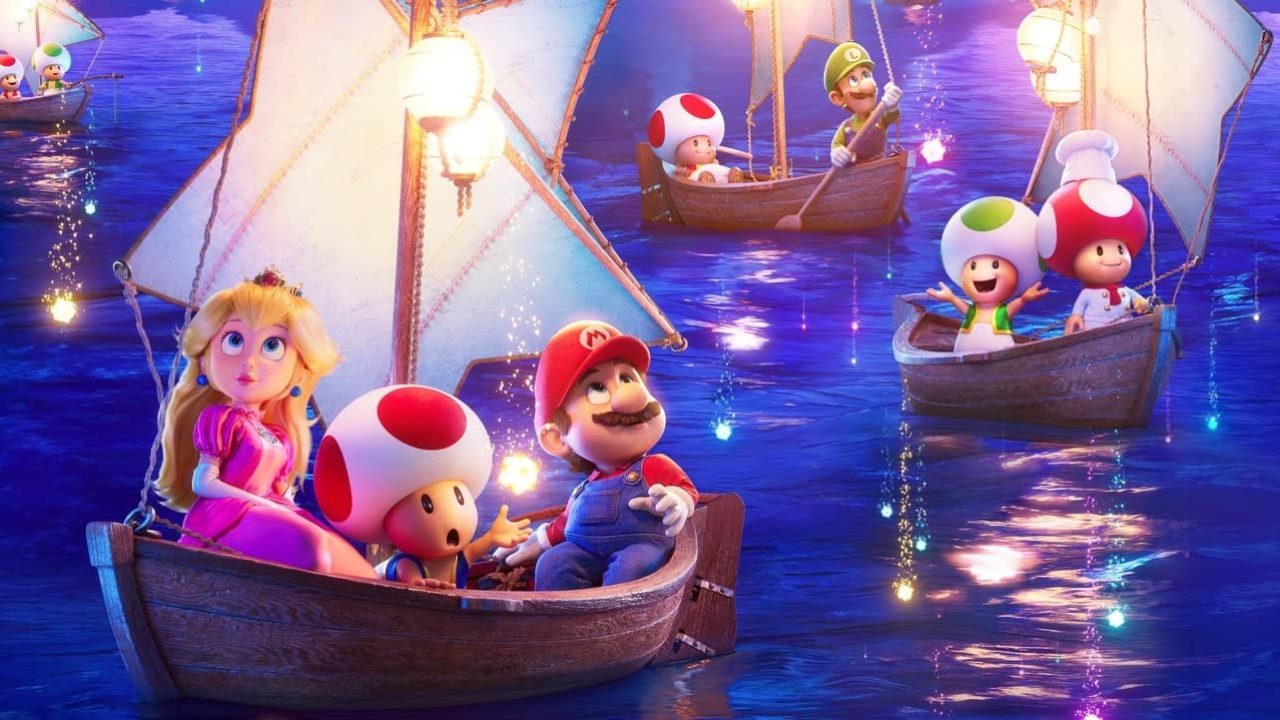
The official confirmation of the Super Mario Galaxy Movie voice cast has shifted the conversation. It has moved from mere speculation to a deep structural analysis. While the return of the core ensemble was expected, the late-stage reveals of Fox McCloud and a vocalized Yoshi have redefined the stakes of this sequel.
This casting is not just about star power. Instead, it is a calculated move to bridge the gap between the whimsical Mushroom Kingdom and a narratively complex interstellar frontier. Furthermore, this expansion into deeper lore follows a growing trend of high-stakes animation. This is a shift we also see in our list of the best space adventure movies on Netflix you need to watch.
A New Hierarchy of Talent in the Cosmos
This film functions as a bridge between the localized heroics of the first movie and a broader mythology. Consequently, the breakdown of the new additions and returning stars defines this galactic journey.
| Character | Voice Actor | Role Type |
| Mario | Chris Pratt | Returning Lead |
| Fox McCloud | Glen Powell | Crossover Hero |
| Yoshi | Donald Glover | New Companion |
| Princess Rosalina | Brie Larson | New Guardian |
| Bowser Jr. | Benny Safdie | New Antagonist |
| King Wart | Luis Guzmán | New Villain |
| Honey Queen | Issa Rae | New Supporting |
What the Galaxy Is Really About
Beyond the vibrant gravity-shifting mechanics, the Super Mario Galaxy Movie explores legacy. It focuses on the burden of cosmic responsibility. The narrative engine is fueled by the isolation of Rosalina. Additionally, the sudden intrusion of external threats forces Mario to look beyond his own world. It explores the idea that heroism is not just about saving a kingdom. Rather, it is about maintaining the equilibrium of the entire universe.
While the scope here is massive, the film maintains a core sense of wonder that appeals to all ages. This is much like the top family-friendly adventure shows to watch together that prioritize heart over simple spectacle. The film also delves into the “loneliness of the stars.” It uses the vastness of space to mirror the internal voids characters like Fox McCloud and Rosalina are trying to fill. Therefore, this thematic depth elevates the project from a standard sequel to a significant cultural event.
Character Arcs: From Mercenaries to Guardians
The character growth in this film is surprisingly rigorous for a family-oriented blockbuster.
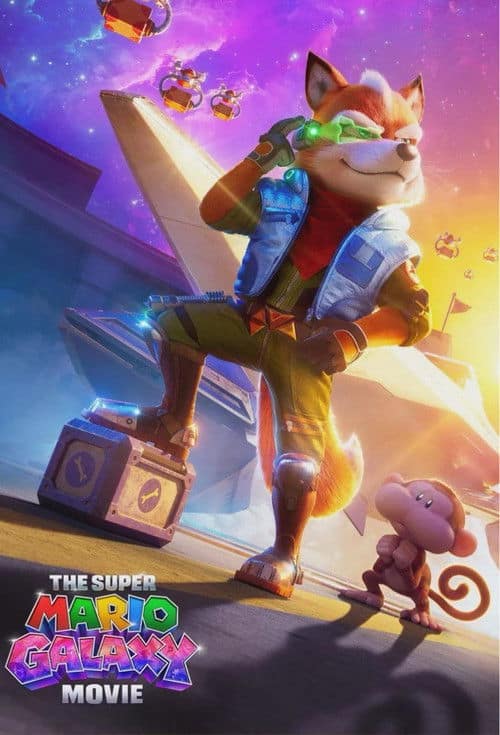
Fox McCloud (Glen Powell): Fox enters the story as a pragmatic pilot weary of endless dogfights. His growth stems from learning that not every conflict can be solved with a blaster. As a result, he realizes that Mario’s unyielding optimism is a valid tactical advantage.
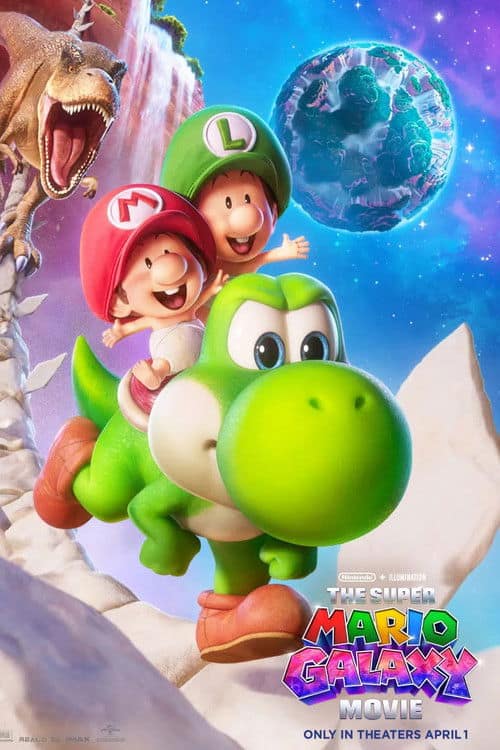
Yoshi (Donald Glover): By giving Yoshi a voice, the filmmakers have transformed him from a utility to a self-actualized being. Glover brings a soulful, inquisitive nature to the character. Because of this, Yoshi moves from a silent steed to a philosopher of the stars who questions his place in the food chain.
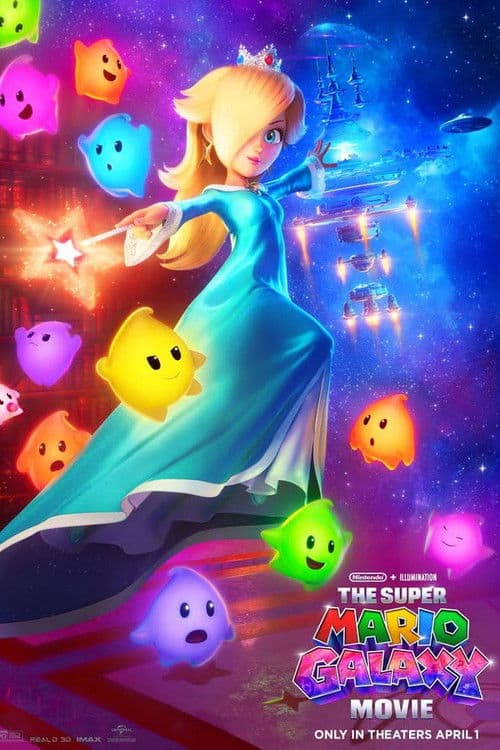
Princess Rosalina (Brie Larson): Rosalina serves as the film’s moral compass. Her arc is one of opening up. Consequently, she transitions from a detached observer to an active participant in the survival of her adoptive Luma family.
Tone, Pacing, and Structural Flow
The film utilizes a rhythmic structure. It oscillates between high-speed orbital chases and quiet, atmospheric world-building. This pacing ensures that the emotional beats have room to breathe amidst the spectacle. However, the tonal shift when Fox McCloud appears is palpable. It introduces a tech-heavy, military aesthetic that contrasts sharply with the soft glows of the Comet Observatory. Despite these shifts, the film maintains a consistent sense of wonder. The structure mimics the “hub and spoke” design of the games. Thus, it provides a sense of progression that feels earned rather than rushed.
What the Production Gets Right
The greatest creative strength of the Super Mario Galaxy Movie is its willingness to take its characters seriously. The vocal performances of Powell and Glover bring a gravitas that validates the high stakes. This choice resonates because it acknowledges the maturity of the fanbase while remaining accessible to new viewers. Ultimately, the cultural significance lies in the successful fusion of two distinct Nintendo legacies.
Navigating the Friction of the Crossover
The film is not without its divisive elements. For instance, the narrative weight of the Star Fox lore creates a structural friction. This threatens to overshadow Mario’s personal journey. Moreover, the technical explanations for the inter-dimensional crossing can feel dense. This occasionally stalls the momentum of the second act. Some viewers may find the transition from the Mushroom Kingdom’s simplicity to the Lylat System’s complexity a bit jarring.
Why This Connection Sparked a Global Conversation
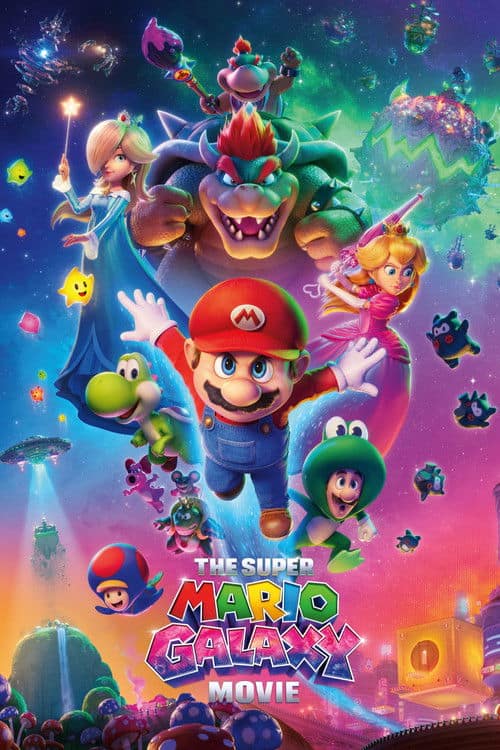
This film connected with audiences because of its impeccable cultural timing. In an era of “multiverse fatigue,” it avoided the trap of endless cameos. Instead, it focused on deep, meaningful interactions between a few key icons. The fandom response has been overwhelmingly positive. This is because the film treats these characters with a level of respect usually reserved for prestigious drama.
Contextual Comparisons and Positioning
For viewers trying to place this film in the wider cinematic landscape, it shares thematic DNA with several other high-concept adaptations.
-
Atmospheric Storytelling: Similar to the best sci-fi shows on Netflix for 2025, the film prioritizes mood and environment.
-
Character Depth: Much like the character-driven narratives found in our breakdown of similar shows, the focus remains on internal growth rather than just external goals.
-
World Building: The scope of the galaxy mirrors the expansive and detailed universes found in our movies like Avatar: stunning worlds and epic adventure guide.
Longevity and the Rewatch Factor
The film rewards repeat viewings through its dense background detail. What may seem like a simple line from Yoshi on the first pass often reveals deeper foreshadowing later. Furthermore, the inclusion of hidden lore from across Nintendo history ensures that the film will be dissected for years to come.
Frequently Asked Questions
Who voices Fox McCloud in the Super Mario Galaxy Movie?
Glen Powell is the official voice of Fox McCloud, bringing a charismatic and heroic tone to the Star Fox pilot.
Does Donald Glover voice Yoshi?
Yes, Donald Glover provides the voice for Yoshi. This marks the first time the character has had extensive English dialogue in a major film.
Who plays Princess Rosalina?
Brie Larson voices Princess Rosalina, the protector of the Lumas and mistress of the Comet Observatory.
Is Chris Pratt returning as Mario?
Chris Pratt reprises his role as Mario, continuing the character’s journey into deep space.
Recommended Viewing for Galaxy Fans
If you enjoyed the thematic depth and cosmic adventure of the Super Mario Galaxy Movie, consider these similar titles:
-
Star Trek: Prodigy: For those who loved the “ragtag crew in space” dynamic.
-
Spider-Man: Across the Spider-Verse: For fans of high-concept visual style and crossover narrative.
-
The Legend of Vox Machina: For viewers who appreciate a balance of humor and genuine character stakes.
-
10 Movies Like ‘The Super Mario Galaxy Movie’: Our curated list of films that capture the same sense of scale and cosmic discovery.
The Super Mario Galaxy Movie serves as a bold declaration. It proves that video game adaptations can be both spectacles and profound character studies. By casting performers who can carry the weight of these icons, Nintendo and Illumination have created a world that feels as infinite as the stars it portrays. Whether this expansive approach becomes the new standard remains a question for the future. Nevertheless, for now, the galaxy has never felt more alive.