

Should You Watch One Piece or Avatar?
Choose One Piece if you want a massive adventure filled with worldbuilding, mysteries, and long-term emotional payoff.
Choose Avatar The Last Airbender if you want a focused story centered on character growth, emotional development, and a satisfying ending.
Neither is objectively better. They simply prioritize different experiences. Both promise sprawling worlds, emotional growth, humor, and unforgettable characters, yet they deliver those elements in dramatically different ways. One leans into endless exploration and escalating chaos, while the other builds toward a focused emotional journey. The choice is less about quality and more about what kind of storytelling rhythm, tone, and commitment you are looking for right now.
| If You Value… | Choose |
|---|---|
| Massive worldbuilding | One Piece |
| Character growth | Avatar |
| Long-term mysteries | One Piece |
| Emotional resolution | Avatar |
| Huge cast | One Piece |
| Tighter pacing | Avatar |
| Shorter commitment | Avatar |
| Endless adventure | One Piece |
What One Piece Is Really Built to Deliver

At its core, One Piece is about boundless adventure.
The series is structured like a journey that never stops expanding. Each arc introduces new islands, cultures, villains, and emotional stakes, stacking experiences on top of each other like chapters in an endlessly growing myth.
Tonally, One Piece swings wildly by design. Absurd comedy sits next to devastating tragedy. Goofy character moments can immediately pivot into intense confrontations. That unpredictability is part of the appeal. You never quite know if the next episode will make you laugh, cry, or stare in shock.
Structurally, the show favors long arcs that slowly escalate. Conflicts build across dozens of episodes, layering backstory, side characters, and world politics before exploding into massive emotional climaxes. The journey matters just as much as the destination.
If you enjoy stories that feel alive, constantly evolving, and larger than any single plotline, One Piece is engineered to keep you exploring.
Who Will Probably Prefer One Piece?
One Piece tends to resonate most with viewers who love the feeling of endless discovery. If your favorite stories are the ones that constantly expand their world, introduce new mysteries, and reward long-term investment, One Piece often feels like an ideal fit.
It works particularly well for viewers who enjoy sprawling casts, evolving lore, and emotional payoffs that build over dozens or even hundreds of episodes. The series rarely feels confined to a single goal or destination. Instead, it creates the sense that every answer leads to a bigger question and every island hides another story worth exploring.
You will probably prefer One Piece if you enjoy getting lost in a world rather than racing toward its conclusion. The journey is the point, and the show rewards patience with some of the biggest emotional and narrative payoffs in modern anime.
What Avatar The Last Airbender Is Really Built to Deliver
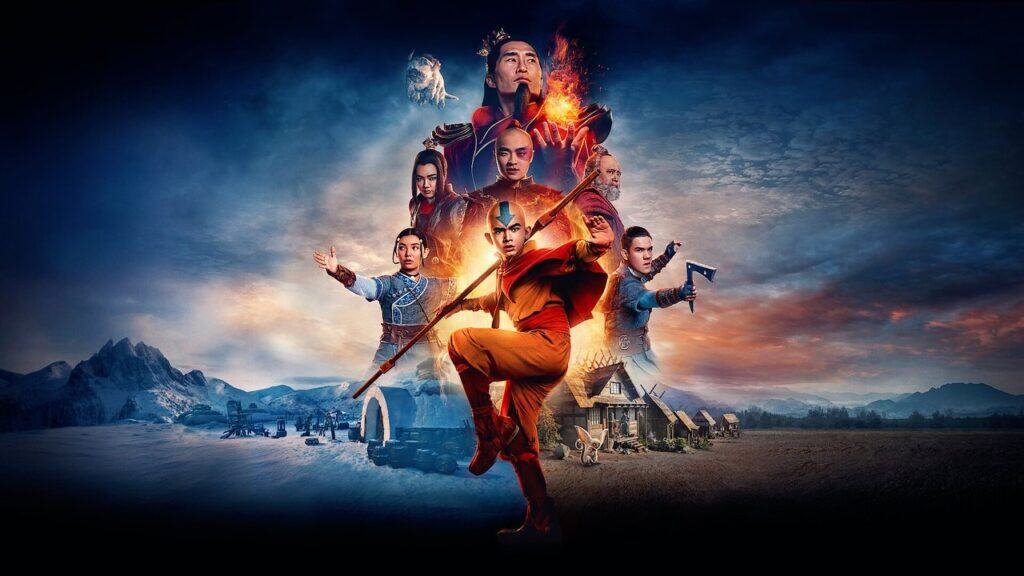
Avatar The Last Airbender is about transformation.
Every part of the show is structured around growth, healing, responsibility, and balance. While the world is rich and imaginative, it always serves the emotional journey of its characters rather than constantly expanding outward.
Tonally, Avatar blends humor with seriousness in a controlled way. Lighthearted moments exist to deepen attachment to characters, but the show steadily builds toward heavier emotional themes like loss, redemption, trauma, and moral responsibility.
Structurally, the series follows a clear narrative arc with a defined beginning, middle, and end. Each season progresses both the plot and the emotional development of the characters, leading to a purposeful conclusion.
If you enjoy stories that feel carefully crafted, emotionally focused, and complete, Avatar is designed to deliver a satisfying long-form narrative experience.
Who Will Probably Prefer Avatar The Last Airbender?
Avatar The Last Airbender tends to resonate most with viewers who value character growth and emotional resolution. While its worldbuilding is rich, the story always remains focused on the personal journeys of its characters and the relationships between them.
The series works especially well for viewers who appreciate tightly structured storytelling where every season moves the narrative forward and every major character experiences meaningful development. Themes like responsibility, forgiveness, identity, and balance are woven into the story from beginning to end, creating a sense of purpose that remains consistent throughout the entire journey.
You will probably prefer Avatar if you want a complete and carefully crafted story that delivers emotional growth without requiring a massive time commitment. It offers many of the same strengths as One Piece—adventure, humor, worldbuilding, and memorable characters, but packages them into a more focused experience with a clear destination and a satisfying conclusion.
How Their Tone and Pacing Feel While Watching

Some stretches are fast and chaotic. Others slow down to explore new places, cultures, and side characters in depth. The pacing is intentionally uneven, reflecting the feeling of a massive ongoing adventure. Emotional payoffs can take time to arrive, but when they hit, they often hit hard.
Avatar The Last Airbender moves like a novel trilogy.
Each episode pushes character growth forward while steadily advancing the larger conflict. Even lighter episodes usually serve emotional or thematic purposes. The pacing feels deliberate, with fewer detours and a constant sense of forward momentum.
If you enjoy wandering through a massive world and letting stories unfold gradually, One Piece often feels immersive. If you prefer steady progress with consistent emotional development, Avatar tends to feel more focused and purposeful.
How Their Characters Create Different Emotional Experiences
One Piece treats its cast like a growing family.
New characters constantly enter the story, many with deep backstories and emotional arcs of their own. The main crew evolves over time, but the show also invests heavily in side characters who sometimes feel like protagonists of their own mini-series. Conflict often comes from oppression, injustice, and dreams being crushed or reclaimed.
Avatar centers tightly on its core group.
Every major emotional beat ties back to the main characters and their internal struggles. The story prioritizes growth, accountability, forgiveness, and self-discovery. Even antagonists are given layered emotional journeys that tie directly into the show’s central themes.
If you love expansive casts and emotional storytelling spread across many lives, One Piece leans into that strength. If you prefer deep focus on a smaller group of characters evolving together, Avatar thrives there.
Where One Piece Consistently Feels the Most Rewarding

One Piece shines in scale.
Its worldbuilding is massive and interconnected, with early moments often gaining new emotional meaning hundreds of episodes later. Long-running mysteries slowly unfold, creating a sense of payoff that rewards patience and attention.
The show also excels at emotional climaxes built over time. When arcs finally resolve, they often deliver huge cathartic moments that feel earned through long investment.
Viewers who love sprawling lore, evolving political dynamics, and emotional highs after long build-ups tend to find One Piece deeply satisfying. For more on how long-form stories create payoff, many readers enjoy [our breakdown of similar shows] that use extended arcs to heighten emotion.
Where Avatar The Last Airbender Consistently Feels the Most Rewarding

Avatar shines in emotional cohesion.
Character growth feels intentional and interconnected. Relationships evolve naturally, and personal struggles feed directly into the larger narrative. Very little feels wasted or purely filler.
The series also excels at thematic depth without becoming heavy-handed. Concepts like balance, responsibility, forgiveness, and the cost of power are woven into the story through character choices rather than speeches.
Viewers who value emotional arcs that resolve meaningfully and stories that feel complete often connect deeply with Avatar’s approach.
The Tradeoffs That Actually Matter
One Piece intentionally deprioritizes narrative tightness.
Because the world is constantly expanding, some arcs take longer to resolve, and pacing can feel slow at times. The sheer length can be intimidating, and not every detour will resonate equally with every viewer.
Avatar intentionally deprioritizes endless expansion.
Its world is rich but contained. Once the story concludes, it does not keep growing indefinitely. Some viewers who love ongoing adventure may wish for more time exploring beyond the main narrative.
These tradeoffs shape the viewing experience. One Piece offers endless discovery at the cost of focus. Avatar offers emotional precision at the cost of scale.
Which One Tends to Fit Different Viewing Preferences
If you value:
- Massive worlds, long-term mysteries, and emotional climaxes built across dozens of episodes, One Piece often feels more fulfilling.
- Character growth, purposeful storytelling, and a journey with a clear emotional resolution, Avatar The Last Airbender usually feels more satisfying.
- Bouncing between humor, tragedy, and epic battles in unpredictable ways, One Piece leans into that rhythm.
- Steady emotional investment with consistent narrative momentum, Avatar tends to land more smoothly.
One Piece and Avatar The Last Airbender succeed because they aim for different emotional experiences rather than the same destination. One invites you into an ever-growing adventure where the world never stops unfolding. The other guides you through a carefully crafted journey of growth, balance, and resolution.
Choosing between them is less about which series stands taller and more about which storytelling rhythm matches what you want to feel right now. If you are craving endless exploration and layered payoff over time, One Piece often aligns better, while if you are seeking focused emotional storytelling with a meaningful conclusion, Avatar The Last Airbender tends to resonate more strongly.