

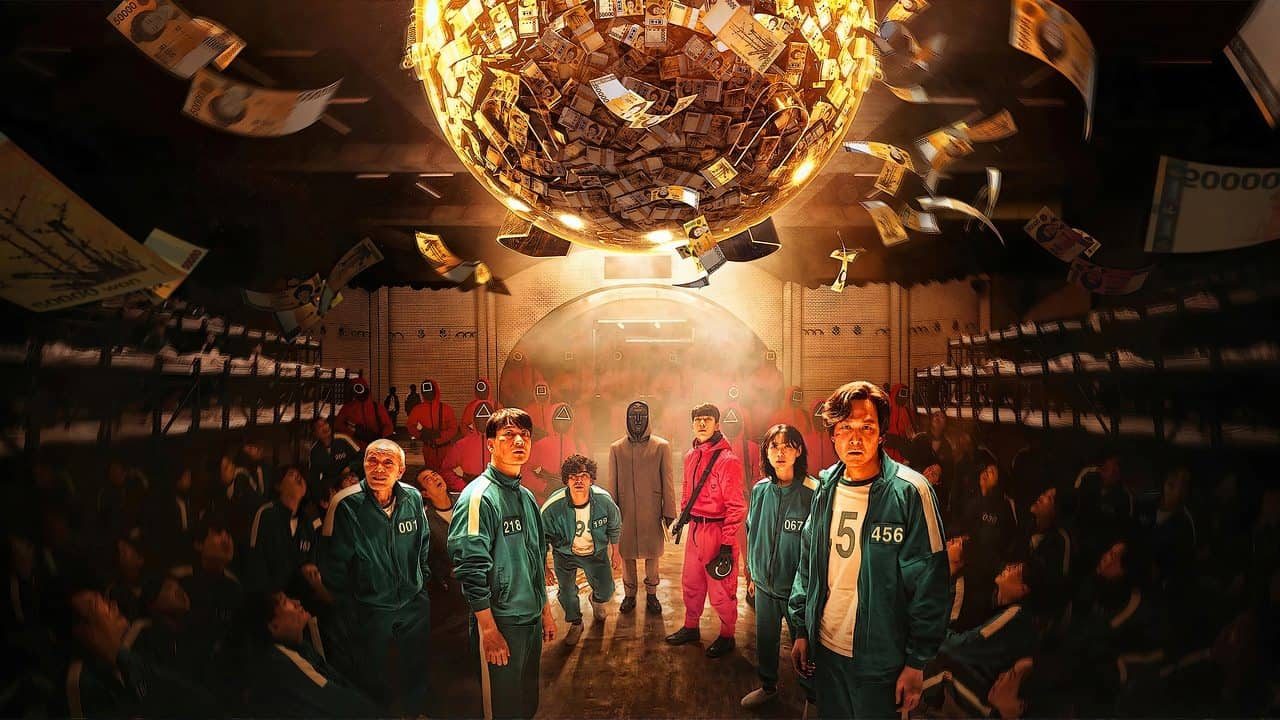
Why Squid Games Refused to Stay Quiet
Some shows entertain for a weekend and vanish. Others burrow into public consciousness and refuse to let go. Squid Game did more than dominate streaming charts. It ignited debates about capitalism, human dignity, violence as spectacle, and why audiences couldn’t stop watching something so deeply uncomfortable.
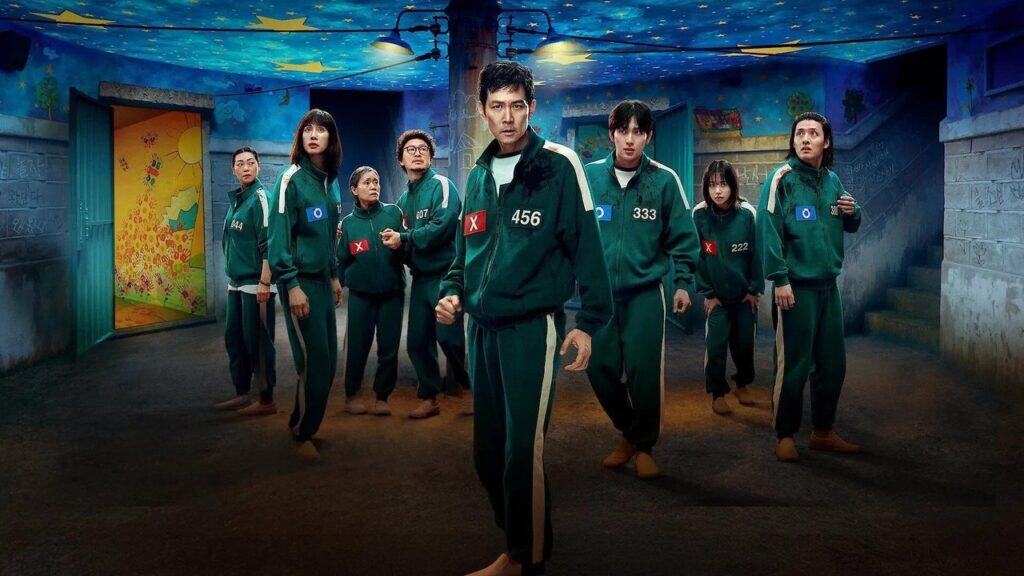
A Global Hit That Felt Uncomfortably Personal
Squid Game arrived at a moment when economic anxiety, burnout culture, and social inequality were already simmering worldwide. Its premise was simple enough to travel across languages, yet emotionally specific enough to feel intimate.
What made it stand out was not the brutality of the games. Audiences have seen deadly competitions before. What shocked people was how quickly the show made those life or death stakes feel plausible rather than fantastical.
Instead of treating desperation as backstory, Squid Game made it the emotional engine. Every choice felt driven by debt, shame, family pressure, and the quiet fear of falling permanently behind.
The violence worked not as spectacle first, but as consequence.
That distinction is where much of the conversation began.
Beneath the Games: A Story About Modern Desperation
Poverty as a Trap, Not a Phase
At its core, Squid Game is not about competition. It is about how systems corner people into impossible decisions.
The players are not reckless thrill seekers. They are parents, workers, migrants, and small business owners crushed by financial structures that promise opportunity but quietly guarantee failure for many.
Debt becomes a form of slow violence. It limits choice. It reshapes morality. It makes the unthinkable feel practical.
The brilliance of the show is how it frames desperation as rational.
When contestants return to the game after initially escaping, the choice feels horrifying and yet understandable. The outside world has already beaten them.
Childhood Innocence Turned Into Economic Warfare
The use of playground games is not a stylistic gimmick. It is thematic.
These were activities once associated with safety, trust, and fairness. In Squid Game, they become rigid systems where the rules are absolute and punishment is death.
The transformation mirrors adulthood itself. Many people grow up believing hard work guarantees stability, only to discover the game is far harsher than promised.
This layered symbolism is why the series feels more like social commentary than shock television.
For a deeper look at how modern storytelling uses economic pressure as emotional fuel, our breakdown of related themes explores similar narrative patterns across genres.
Characters Who Felt Like Real People Under Pressure
Seong Gi-hun: The Optimist Being Slowly Eroded
Gi-hun begins as impulsive, irresponsible, and oddly hopeful. His flaws feel familiar rather than villainous.
What makes his arc powerful is not a transformation into a hardened survivor, but the slow loss of innocence.
Each round chips away at his belief that kindness alone can save people.
He helps others even when it puts him at risk, yet repeatedly watches that goodness punished by the system itself.
By the end, Gi-hun is not stronger. He is heavier. That emotional weight is what lingers.
Cho Sang-woo: Success Built on Silent Desperation
Sang-woo represents the illusion of achievement.
Outwardly accomplished, inwardly drowning in financial collapse, he embodies how modern success often masks extreme fragility.
His descent into ruthless logic feels less like corruption and more like adaptation.
He is not evil. He simply accepts the rules faster than others.
That recognition unsettles viewers because it suggests morality is often a luxury of stability.
Kang Sae-byeok: Survival Without Sentimentality
Sae-byeok’s quiet determination stands out amid emotional chaos.
She does not romanticize the games. She endures them.
Her goal is not wealth but family stability, making her choices feel stripped of ego.
The restraint in her character design is intentional. She reflects the millions who survive through resilience rather than spectacle.
Her silence carries more weight than many monologues.
Oh Il-nam: Kindness with a Hidden Agenda
Il-nam initially feels like a reminder of humanity within brutality.
His warmth offers comfort to both Gi-hun and the audience.
The later reveal reframes every interaction, forcing viewers to question whether compassion within exploitative systems can ever be genuine.
That twist fuels much of the show’s philosophical debate.
How Structure Turned Stress Into Addiction
Relentless Momentum With Strategic Pauses
Squid Game balances high intensity sequences with quiet emotional decompression.
After each game, the story slows just long enough for guilt, grief, and reflection to surface.
These pauses are crucial. Without them, the violence would numb rather than impact.
Instead, viewers are forced to sit with consequences.
The Illusion of Choice
The recurring offer to leave the competition reinforces the theme of systemic coercion.
Technically, players are free.
Realistically, they are not.
This structural repetition deepens the emotional realism. It mirrors how people are often told they can escape financial struggle while trapped by circumstances.
A Season That Builds Psychological Weight
Rather than escalating solely through bigger spectacles, the show escalates through emotional loss.
Each round removes relationships, trust, and moral certainty.
The tension grows not because games become harder, but because there is less humanity left to protect.
Where Squid Game’s Creative Choices Shine
Universal Themes Without Cultural Dilution
While rooted in South Korean social realities, the story never feels regionally exclusive.
Debt, class pressure, and institutional indifference resonate globally.
This universality allowed audiences everywhere to project their own struggles into the narrative.
Visual Storytelling That Serves Meaning
The bright colors, oversized sets, and geometric guards create a surreal contrast to suffering.
This design emphasizes how systems often package cruelty in clean, friendly aesthetics.
It also made the series instantly recognizable across social media, fueling viral spread.
Emotional Honesty Over Shock Value
Although violent, Squid Game rarely glorifies brutality.
Deaths feel abrupt, messy, and tragic.
The discomfort is intentional, reinforcing the moral cost of survival within unjust systems.
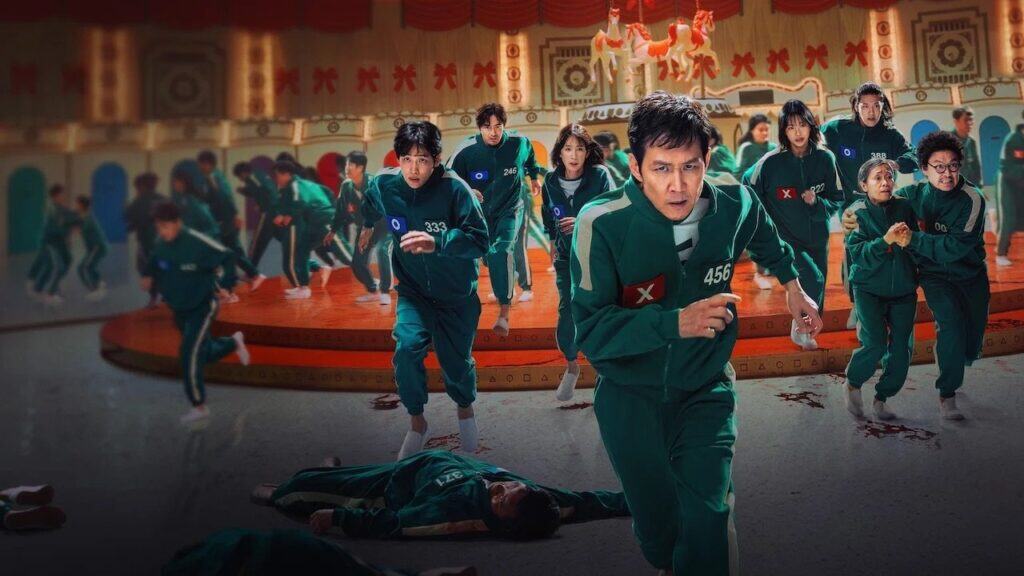
Why Some Viewers Felt Pushed Away
The Heavy-Handed Symbolism
For certain audiences, the metaphors felt too explicit.
The wealthy spectators, the animal masks, and the extreme class divide struck some as lacking subtlety.
Where others saw powerful commentary, some saw oversimplification.
Tonal Whiplash in Later Episodes
The shift toward grand reveals and philosophical speeches divided viewers.
Early episodes thrived on grounded tension.
Later moments leaned more into allegory and spectacle.
This tonal evolution changed the emotional texture of the series, which not everyone welcomed.
Emotional Exhaustion
For some, the unrelenting despair crossed from meaningful to draining.
The absence of consistent relief made the experience powerful but difficult to sustain.
This explains why many respected the show more than they enjoyed watching it.
Why the Series Hit So Hard at This Moment
A World Already Questioning Economic Fairness
Pandemic-era stress amplified conversations around wealth inequality, labor value, and institutional support.
Squid Game did not introduce these topics. It dramatized them with visceral clarity.
Social Media as Amplifier
Short clips, memes, and reaction videos turned scenes into cultural shorthand.
The games became instantly shareable, driving curiosity and communal viewing.
The Rise of Global Storytelling
Audiences are increasingly open to international narratives.
Streaming platforms normalized subtitles, making emotionally rich foreign series mainstream.
Squid Game benefited from this shift in viewing habits.
For a broader look at how global shows reshape streaming culture, this analysis of related themes explores the trend in depth.
Understanding Squid Game Through Similar Stories
Squid Game occupies thematic territory explored in other modern narratives.
Stories like Money Heist explore rebellion against economic systems through high-stakes tension.
Anthology series such as Black Mirror examine how modern structures quietly dehumanize people.
Even films like The Hunger Games use competition as a metaphor for societal inequality.
What distinguishes Squid Game is its emotional intimacy. The focus stays on everyday desperation rather than grand revolutions.
It is less about overthrowing systems and more about surviving within them.
Does Squid Game Reward a Second Viewing?
Rewatching the series shifts attention from shock to structure.
Early character decisions gain new meaning.
Subtle hints about motivations become clearer.
The games themselves feel less suspenseful but more tragic.
Viewers often notice how carefully the show foreshadows betrayals and emotional fractures.
Rather than diminishing impact, hindsight deepens the moral weight.
That said, the emotional heaviness can make repeat viewings challenging for some.
It remains powerful, but not necessarily comforting.

The Deeper Reason It Stayed With Us
Squid Game sparked conversation not because it was violent, but because it felt honest about modern vulnerability.
It showed how easily people can be pushed into moral gray zones when survival is on the line.
It reminded audiences that systems rarely feel cruel at first. They feel practical. Necessary. Inevitable.
And that recognition was far more unsettling than any fictional game.
For readers interested in how storytelling explores social pressure across genres, our breakdown of similar shows offers additional perspective.
A Final Reflection on Its Lasting Impact
Squid Game worked because it transformed economic anxiety into human stories, blending spectacle with emotional truth in a way few series attempt.
Its global resonance came not from novelty alone, but from recognition.
The real question for viewers is not whether the games were entertaining, but whether the emotional discomfort felt illuminating or overwhelming.
And that choice often reveals as much about the audience as it does about the show itself.