
Why Bridgerton Feels Like a Hit to Some and a Miss to Others
Few modern shows generate reactions as split as Bridgerton. For some viewers, it feels intoxicating, romantic, and emotionally rich. For others, it lands as slow, melodramatic, or strangely hollow beneath the spectacle.
What creates that divide is rarely about acting quality or production value. It is about expectations colliding with what the show is actually designed to deliver.
The real question most new viewers are wrestling with is not whether Bridgerton is popular or well made, but whether its particular storytelling rhythm matches the way they like to experience a series.
A Show That Works Beautifully for Some and Not at All for Others
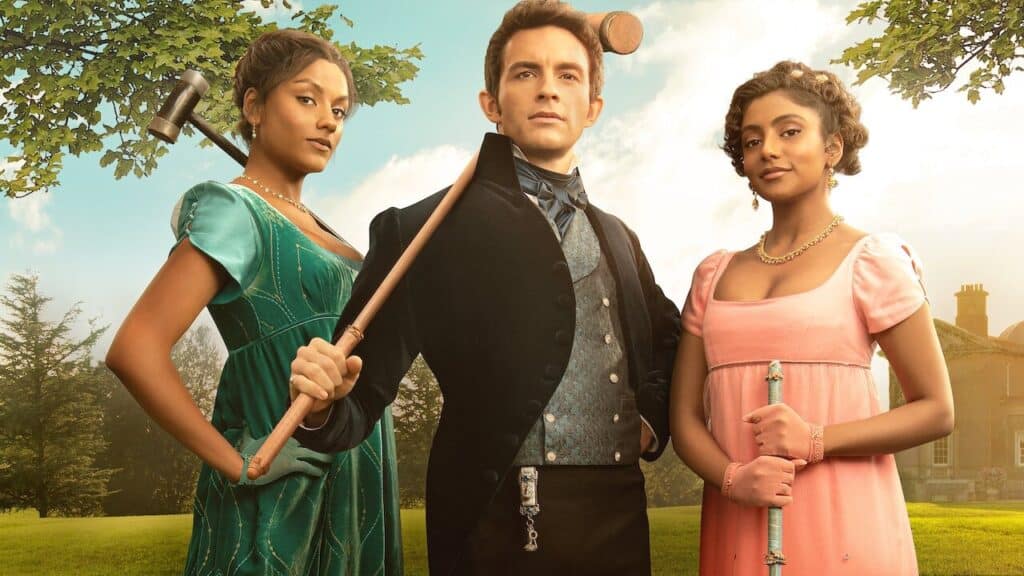
Bridgerton sits at an unusual intersection of period drama, modern emotional sensibility, and romance-first storytelling. It looks like a historical series, borrows the structure of a soap opera, and moves with the emotional pacing of a relationship-focused drama.
That blend is precisely why it resonates so deeply with some audiences and leaves others disengaged.
If you go in expecting intricate political intrigue, fast-moving plot twists, or strict historical realism, the experience can feel off. If you arrive ready for mood, chemistry, longing, and emotional arcs stretched across episodes, it can feel immersive.
This breakdown focuses on alignment. Not quality. Not popularity. Just whether Bridgerton fits the way you naturally enjoy watching television.
Bridgerton Is Not a Historical Drama in the Traditional Sense
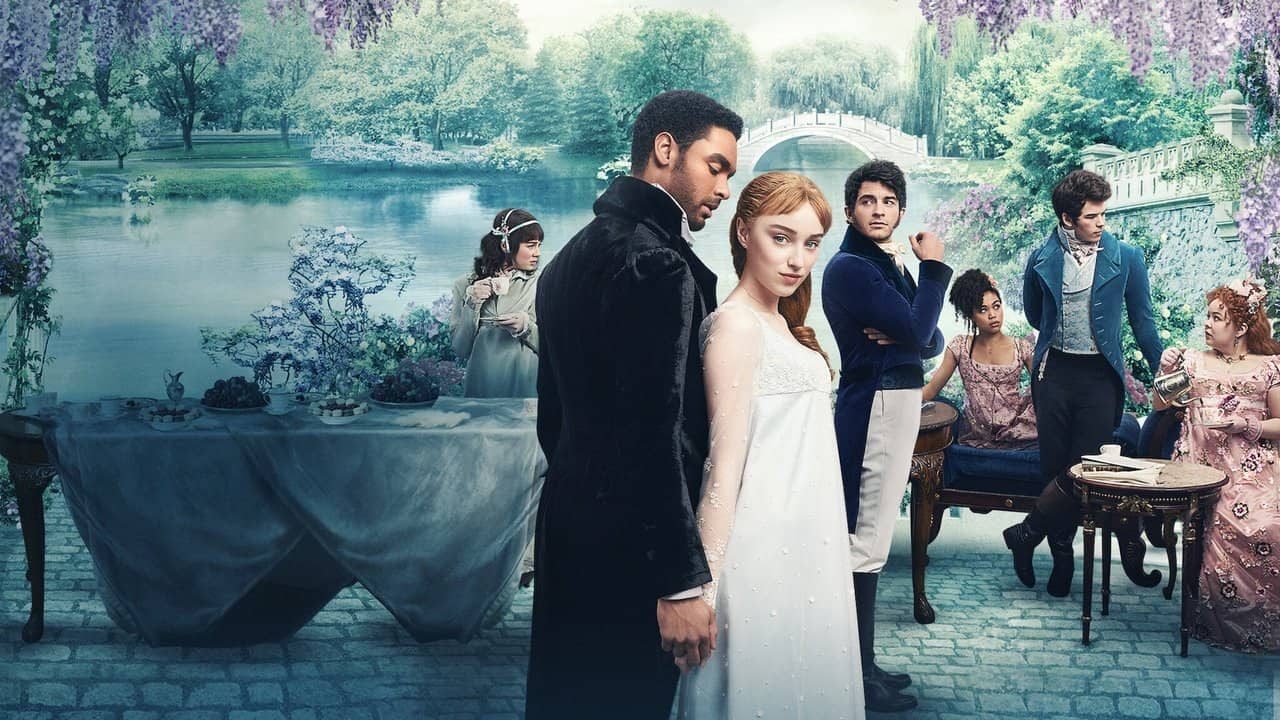
At its core, Bridgerton is a romantic character study wrapped in lavish visuals.
The costumes, ballrooms, and Regency-era setting are aesthetic tools, not the emotional engine of the show. History functions as atmosphere rather than subject matter.
What Bridgerton prioritizes is:
-
Romantic tension over political complexity
-
Emotional buildup over plot mechanics
-
Interpersonal relationships over external conflict
The stakes are social, relational, and internal. Reputation. Desire. Loneliness. Belonging.
Many viewers assume they are getting a prestige period drama and instead encounter something closer to an emotionally driven romance series with historical flavor.
Once that shift in expectation clicks, the show makes far more sense.
What It Feels Like to Spend Time Inside Bridgerton
A Slow, Deliberate Emotional Rhythm
Bridgerton does not rush toward payoff. It lingers.
Scenes stretch to allow glances, pauses, restrained conversations, and emotional subtext to breathe. Entire episodes may focus more on tension and buildup than on major story turns.
The pleasure comes from anticipation rather than surprise.
Heavy on Mood, Light on Plot Urgency
While events do happen, Bridgerton rarely creates a sense of narrative urgency. There are few ticking clocks. Instead, the show invites viewers to sit inside emotional states.
Longing. Frustration. Hope. Social anxiety.
It feels more like reading a romance novel slowly than binging a thriller.
Designed for Immersion Rather Than Momentum
This is a show meant to be savored, not powered through for answers.
Viewers who enjoy atmosphere, character chemistry, and emotional layering tend to find it absorbing. Those who crave constant forward motion may find it meandering.
Who Bridgerton Tends to Resonate With
Viewers Who Love Emotional Slow Burns
If you enjoy stories where attraction develops gradually, tension builds across small moments, and payoff comes from emotional release rather than shocking twists, Bridgerton aligns naturally.
The show invests heavily in:
-
Prolonged romantic tension
-
Conversations charged with subtext
-
Small gestures carrying major emotional weight
For viewers who savor the journey more than the destination, this pacing feels intentional and rewarding.
Viewers Drawn to Character-Centered Storytelling
Bridgerton’s primary focus is how people feel, not what they accomplish.
It spends far more time exploring:
-
Insecurity and desire
-
Family dynamics
-
Social pressure and self-worth
If you tend to connect most deeply with shows that prioritize internal emotional arcs over external plot complexity, Bridgerton plays directly to that preference.
You might also enjoy the kind of intimate character breakdowns we explore with strong female leads. Viewers Who Value Atmosphere and Escapism
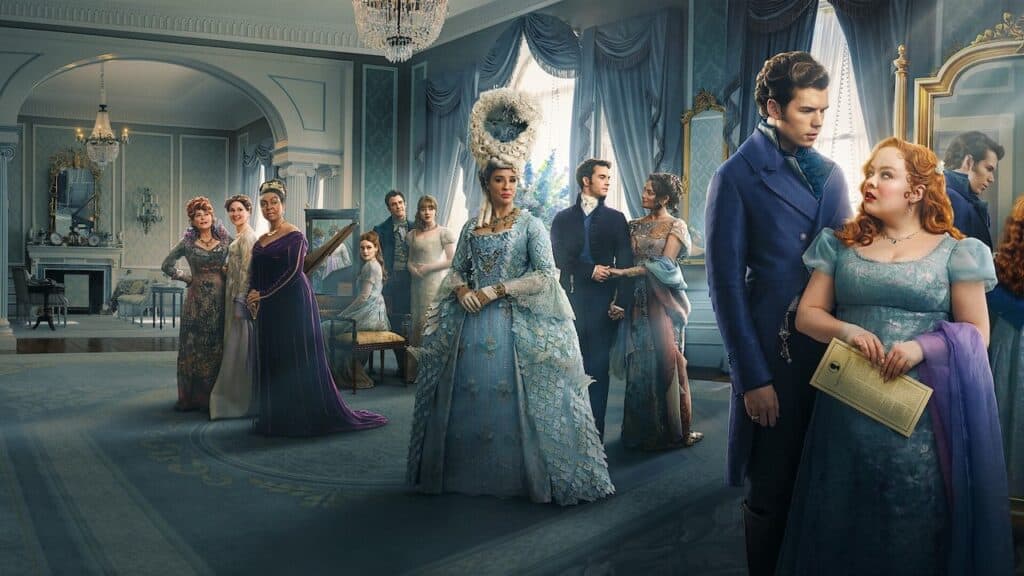
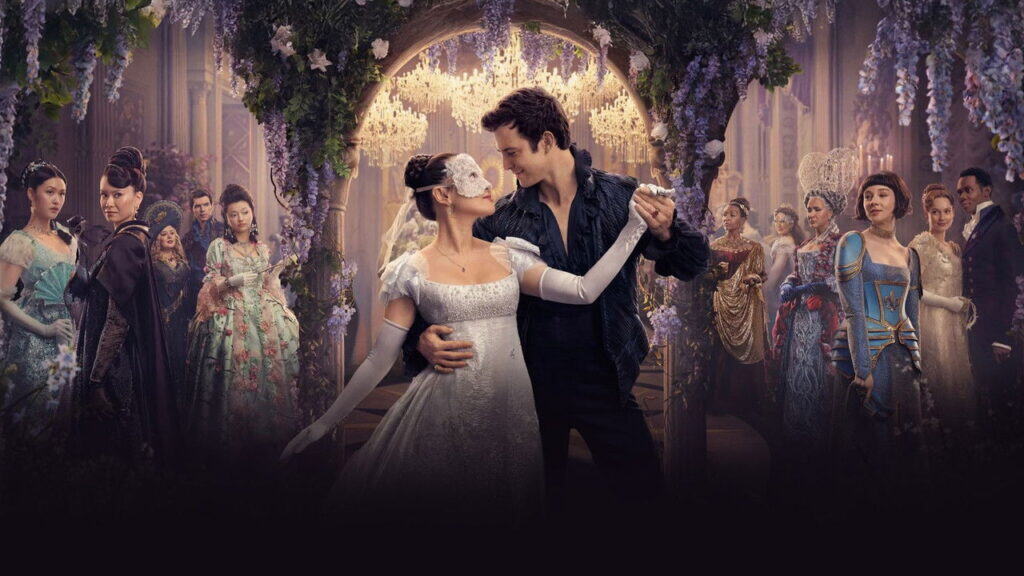
Bridgerton is meticulously crafted to feel lush and immersive.
The visuals are vibrant. The settings are glamorous. The emotional tone is heightened. It creates a world designed to be escaped into rather than analyzed realistically.
If you appreciate shows for how they make you feel while watching, not just what happens, Bridgerton offers a consistently rich sensory experience.
Viewers Comfortable with Heightened Romance
This is not subtle realism. Emotions are amplified. Conflicts are dramatic. Romantic beats are emphasized.
For viewers who enjoy expressive storytelling, grand feelings, and emotionally charged scenes, Bridgerton feels intentionally stylized rather than overdone.
Why These Viewers Often Find Bridgerton So Engaging
Bridgerton rewards patience, emotional attentiveness, and connection to character psychology.
Its creative choices center on:
-
Letting tension simmer
-
Prioritizing feelings over facts
-
Using beauty and music to enhance emotion
For the right audience, every lingering glance feels meaningful. Every quiet conversation carries weight.
The show becomes less about what happens next and more about how the characters emotionally arrive there.
That alignment turns a slow pace into a feature rather than a flaw.
Who Bridgerton Often Feels Misaligned For
Viewers Who Prefer Plot-Driven Momentum
If your favorite shows move quickly from conflict to resolution, stack twists frequently, and constantly push the narrative forward, Bridgerton can feel stagnant.
Large portions of the series focus on emotional buildup rather than story progression.
For momentum-oriented viewers, it may feel like very little is happening even when the emotional stakes are high.
Viewers Seeking Historical Depth or Realism
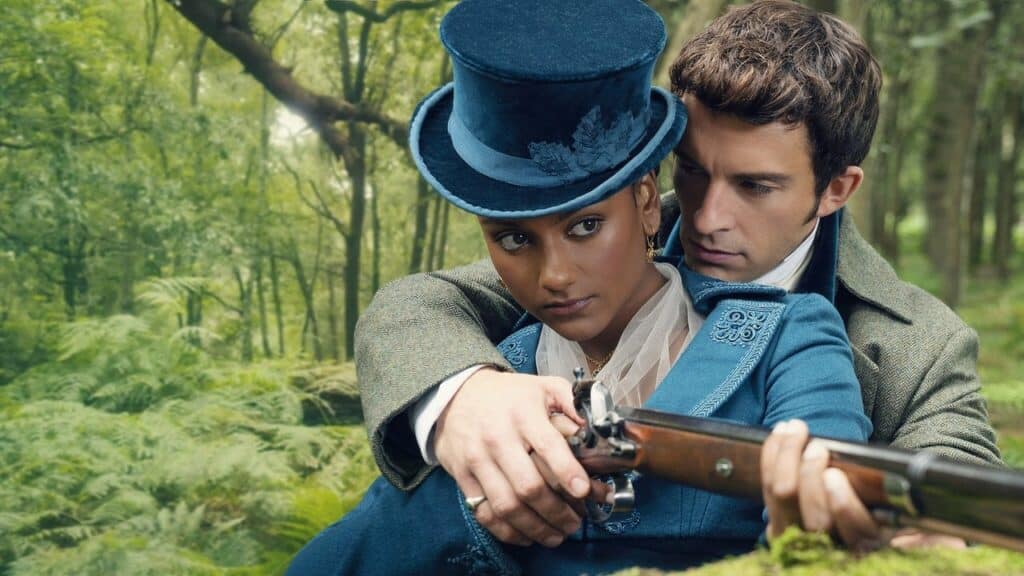
While visually inspired by history, Bridgerton is not concerned with historical accuracy or complex political context.
Those hoping for:
-
Authentic period social systems
-
Historical conflict
-
Real-world power struggles
often find the setting feels more like fantasy romance than grounded drama.
It uses history as aesthetic rather than subject.
Viewers Who Dislike Heightened Emotional Drama
Bridgerton leans fully into romantic intensity.
Conversations are charged. Reactions are expressive. Emotional stakes are amplified.
For viewers who prefer understated performances and subtle storytelling, the tone can feel exaggerated rather than immersive.
Viewers Who Watch for Mystery or High Stakes
There is relatively little danger, suspense, or high-consequence tension.
The conflicts revolve around relationships and social standing rather than survival, crime, or power.
If you primarily engage with shows through mystery, action, or escalating threats, Bridgerton may feel emotionally rich but narratively soft.
Why These Viewers Often Drift Away
The most common disconnect comes from expectation.
Many viewers enter Bridgerton expecting a prestige period drama or fast-moving narrative. What they encounter is a romance-first emotional experience.
The pacing feels slow not because the show lacks structure, but because its structure is built around feelings rather than events.
When emotional immersion is not what a viewer seeks, the same scenes that feel lush to one audience feel drawn out to another.
Neither response is wrong. They simply reflect different storytelling appetites.
For a broader look at how pacing shapes engagement, this breakdown of similar shows explores why some slow-burn series thrive with certain audiences and lose others.
How Bridgerton Compares in Tone and Experience
Bridgerton sits in a unique emotional space, but a few shows can help clarify its feel.
Compared to Downton Abbey
Downton Abbey focuses on social structure, historical shifts, and class dynamics alongside personal stories.
Bridgerton, by contrast, minimizes historical realism and maximizes emotional romance. Where Downton Abbey explores systems, Bridgerton explores feelings.
Compared to Outlander
Outlander blends romance with adventure, danger, and historical conflict.
Bridgerton removes most of the external stakes and concentrates almost entirely on interpersonal relationships and emotional arcs.
Compared to Gossip Girl
In spirit, Bridgerton resembles Gossip Girl more than a traditional period drama.
Both center on social reputation, romantic entanglements, and heightened emotional drama, just in very different settings.
If that comparison feels intriguing rather than off-putting, Bridgerton may align well with your taste.
So Who Bridgerton Is Really Designed For
Bridgerton thrives with viewers who enjoy emotional immersion, romantic slow burns, and character-first storytelling.
It is crafted for those who:
-
Feel invested in feelings more than plot mechanics
-
Appreciate atmosphere and aesthetic world-building
-
Enjoy watching relationships evolve gradually
It struggles with audiences who prioritize momentum, realism, or external stakes.
Once the show is understood as a romance-driven emotional experience rather than a traditional historical drama, its creative choices become clearer.
Some will find that world intoxicating. Others will find it tedious.
Both reactions make sense.
A Final Thought on Choosing Whether to Watch
Bridgerton is not trying to appeal to every type of viewer. It is highly focused in what it offers emotionally and structurally.
If you tend to enjoy stories where mood, chemistry, and emotional buildup take center stage, the series often feels absorbing and rewarding.
If you usually connect more with fast plots, realism, or high-stakes storytelling, it may feel slow and overly dramatic.
Enjoyment here is less about whether the show is well made and far more about whether its emotional rhythm matches your personal viewing style.
And that alignment, more than any review score, is what ultimately determines whether Bridgerton feels like a captivating escape or simply not your kind of show.