

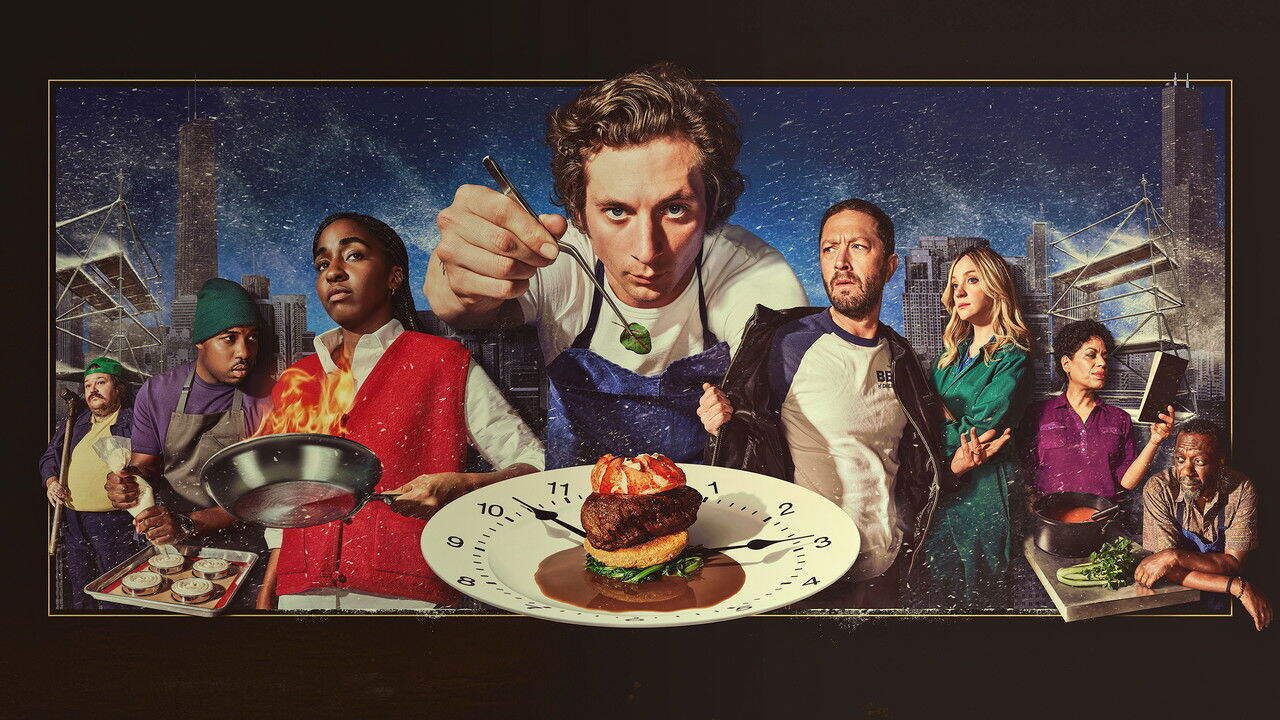
Few shows spark such divided reactions as The Bear. Some viewers call it one of the most gripping series in years, while others bounce off its chaos within minutes. You may have heard it described as stressful, brilliant, exhausting, hilarious, or painfully real, sometimes all in the same sentence. That mix of praise and hesitation leaves many people unsure whether to press play or scroll past. The real decision is not about quality, but about whether the emotional experience of this show matches how you like to watch television.

At its core, the question of whether The Bear is worth watching depends on what you want from a series when you sit down to relax. This is not a show built to gently entertain or offer easy escapism. It is designed to immerse you in pressure, personality clashes, grief, ambition, and moments of connection that arrive in the middle of chaos.
Some viewers find that intensity thrilling and deeply human. Others find it overwhelming or emotionally draining. The show’s value comes less from what happens and more from how it makes you feel while watching. Looking at its intent, tone, strengths, and friction points makes it easier to decide whether this kind of experience fits your viewing style.
What The Bear Is Actually Trying to Do
A story about control, grief, and identity disguised as a workplace drama
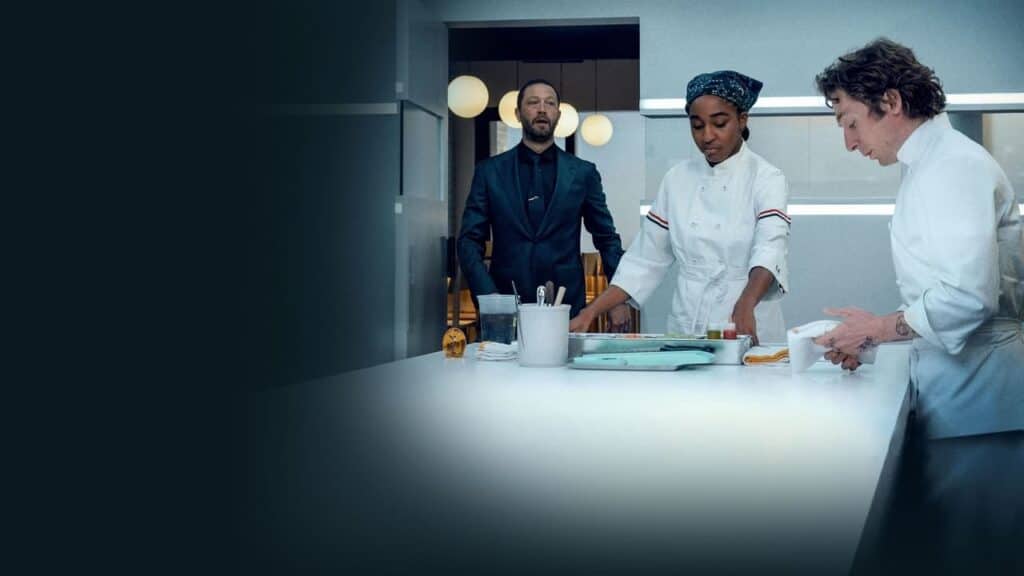
On the surface, The Bear is about a struggling restaurant and the people trying to keep it afloat. Beneath that, it is really about what happens when people who are hurting try to build something meaningful together.
The show explores:
-
How grief shows up as anger, perfectionism, withdrawal, and chaos
-
The tension between ambition and burnout
-
The difficulty of changing broken systems while honoring relationships
-
The way work becomes identity for people who feel lost elsewhere
Cooking is not the point. The kitchen is simply a pressure chamber where every emotion is amplified. Orders pile up, tempers flare, small mistakes snowball, and personal history spills into professional moments. The environment forces characters to confront who they are when stress strips away politeness.
Rather than offering neat arcs or inspirational turnaround stories, the series focuses on the messy process of growth. Progress comes in inches. Setbacks feel real. Wins are brief and often fragile.

How the Show Feels to Watch
Fast, loud, claustrophobic, and surprisingly tender
Watching The Bear often feels like being dropped into the middle of a dinner rush with no warning. The camera moves quickly. Dialogue overlaps. Arguments explode. Silence lingers heavily after emotional moments.
Early episodes especially create a sense of controlled chaos. You are rarely given time to breathe. The pacing mirrors anxiety itself, with scenes escalating rapidly and resolving abruptly.
Yet woven through the noise are quiet moments of vulnerability. A character practicing a new skill after hours. A shared joke in the walk in freezer. A look that says more than dialogue ever could.
Over multiple episodes, the emotional rhythm becomes clearer:
-
Stress builds intensely
-
Personal stories surface unexpectedly
-
Small breakthroughs confirm growth is possible
-
Tension quickly returns
It rewards focused attention. Background viewing does not work here. Subtle expressions, layered conversations, and visual storytelling carry much of the impact.
For many viewers, this creates a powerful emotional connection. For others, it can feel like constant pressure with little relief.

Strengths That Make The Bear Worth Considering
Performances that feel lived in rather than acted
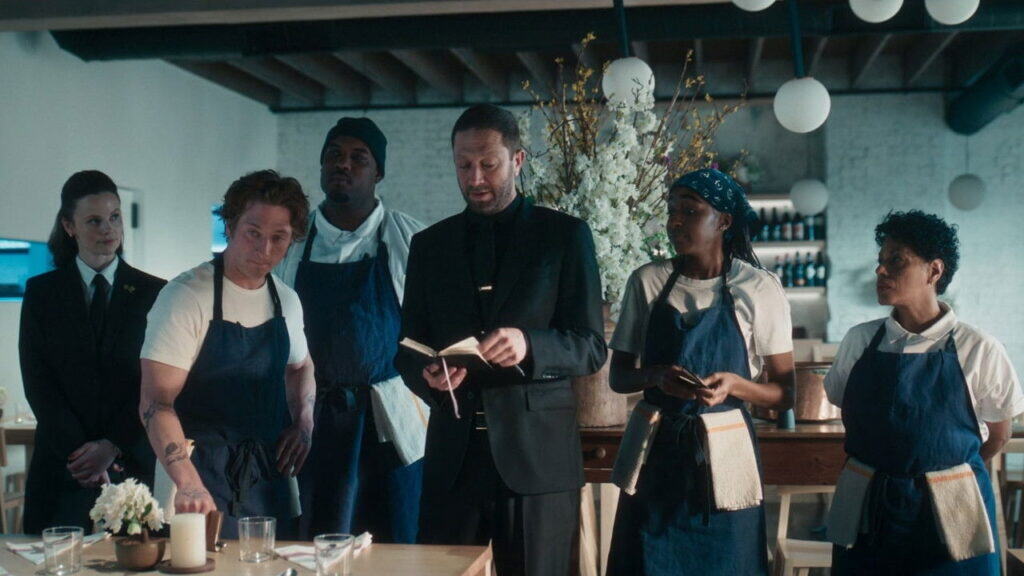
One of the show’s biggest strengths is how natural every character feels. No one sounds like they are delivering lines. Conversations overlap, stumble, and escalate the way real arguments do.
The performances capture exhaustion, pride, insecurity, and loyalty in ways that feel deeply human. Even side characters are given emotional weight rather than being reduced to stereotypes.
This realism makes both the conflicts and the tenderness land harder. When someone breaks down or finally connects, it feels earned.
Writing that trusts emotional nuance
The Bear does not explain how you should feel. It lets situations unfold and allows you to sit with the discomfort.
Instead of dramatic monologues, it uses:
-
Awkward silences
-
Half finished sentences
-
Reactions that reveal inner conflict
-
Moments that resonate long after the scene ends
The writing understands that people rarely articulate their pain clearly. Much of the emotion is conveyed through what is avoided or deflected.
This subtlety creates a richer experience for viewers who enjoy character driven storytelling.
Tension that serves character, not spectacle
The stress in the show is not just noise for excitement. Each burst of chaos reveals something about the people involved.
Arguments are rarely about the immediate problem. They are about fear, pride, grief, control, and feeling unseen.
The pressure cooker environment exposes:
-
Who crumbles under stress
-
Who takes charge
-
Who lashes out
-
Who quietly holds everything together
The intensity becomes a storytelling tool rather than a gimmick.
A rare balance of grit and warmth
Despite its anxiety inducing moments, the show carries a surprising amount of heart.
There are scenes of mentorship, loyalty, forgiveness, and genuine care that prevent it from becoming purely bleak.
When characters support each other, it feels powerful precisely because you have seen how broken and overwhelmed they are.
This emotional contrast gives the show depth and keeps it from being relentlessly heavy.

Friction Points That May Turn Viewers Away
The stress level is intentionally high
For many people, the show’s biggest strength is also its biggest barrier.
The fast pacing, shouting, and constant tension can feel overwhelming, especially in the early episodes. If you watch TV primarily to relax or unwind after a long day, The Bear may feel more like work than entertainment.
Some viewers describe it as anxiety inducing rather than engaging.
It offers few easy payoffs
This is not a series that frequently rewards viewers with neat resolutions.
Conflicts often:
-
End unresolved
-
Improve only slightly
-
Return in new forms
Growth happens slowly and imperfectly. Emotional wounds are not quickly healed.
If you prefer shows where problems are wrapped up cleanly by the end of each episode or season, this approach can feel frustrating.
The realism can feel uncomfortable
The show does not soften workplace toxicity, grief, or emotional dysfunction.
Arguments are messy. People say cruel things. Characters make poor decisions.
There is no constant moral clarity about who is right or wrong. Everyone is flawed, often simultaneously sympathetic and difficult.
Some viewers find this refreshing. Others find it exhausting or unpleasant.
Who The Bear Tends to Work Best For
Viewers who enjoy emotional realism over escapism
If you appreciate shows that feel grounded and human, The Bear is likely to resonate.
It works especially well for people who like:
-
Character driven stories
-
Imperfect people growing slowly
-
Emotional complexity
-
Realistic dialogue and conflict
Rather than watching for plot twists, the pleasure comes from understanding the characters more deeply over time.
Those drawn to intense but meaningful experiences
Some viewers seek out shows that make them feel something strongly.
If you enjoy being emotionally engaged, even stressed, as part of the experience, the show’s intensity can be incredibly rewarding.
The chaos is not random. It always connects back to character and theme.
Fans of workplace dramas with depth
While the kitchen setting is unique, the show functions like a deeply layered workplace drama.
If you like stories about teams under pressure, leadership struggles, and found family dynamics, this series offers those elements in a raw and modern way.

Who May Want to Pass
Viewers looking for light or comforting TV
If your ideal show helps you decompress, laugh easily, or feel relaxed, The Bear may clash with that goal.
While there are humorous moments, the overall tone leans intense and emotionally heavy.
Those who prefer clear heroes and villains
This series lives in gray areas.
Characters are rarely fully right or wrong. Their flaws are front and center.
If you prefer shows where moral lines are clear and behavior is consistently rewarded or punished, the realism here may feel unsatisfying.
Anyone who struggles with chaotic pacing
The early episodes especially move fast and loud.
If overlapping dialogue, handheld camera energy, and sensory overload frustrate you rather than immerse you, the show’s style may be more stressful than enjoyable.

Contextual Comparisons
In tone and emotional depth, The Bear sits closer to grounded dramas than traditional workplace comedies.
It shares the character focus and realism of shows that explore flawed people under pressure, where the environment amplifies personal struggles rather than simply hosting them.
Unlike slower prestige dramas, however, it uses speed and chaos to mirror emotional states. And unlike lighter workplace series, it does not rely on comfort or routine structure.
These comparisons help set expectations: this is intense, human, and immersive storytelling rather than plot driven or episodic comfort viewing.
So, Is The Bear Worth Watching?
The Bear is worth watching if you enjoy emotionally rich stories that lean into realism, tension, and slow personal growth. It rewards viewers who like being fully immersed in character struggles and who appreciate nuance over neat resolutions.
It may not be worth it if you watch television primarily to relax, escape stress, or enjoy clear narrative payoffs. The show intentionally keeps things messy, loud, and emotionally complex.
Ultimately, its value depends on whether you want a series that challenges you emotionally rather than soothes you.
The Bear is not trying to be easy, comforting, or universally appealing. It is trying to be honest about pressure, grief, ambition, and the fragile connections that keep people moving forward when everything feels overwhelming. For some viewers, that honesty feels powerful and deeply rewarding. For others, it feels like too much. Whether it is worth watching comes down to a simple conditional truth: it is worth it if you are open to intensity, emotional realism, and imperfect growth, and less worth it if what you want from TV is calm, clarity, and effortless escape.