

Few shows create reactions as divided as One Piece. Some viewers fall into it and stay for hundreds of episodes. Others bounce off within hours, confused by the tone, the length, or the emotional style. That split often has less to do with quality and more to do with expectation. One Piece is frequently described as an epic adventure, but the experience it delivers is far more specific than that label suggests. The real decision most viewers face is not whether One Piece is good, but whether the way it tells its story matches how they like to spend their viewing time.
One Piece tends to work intensely well for a certain type of viewer and not at all for others. That divide exists because the series commits deeply to a particular rhythm, emotional philosophy, and long-term structure. It does not bend much to modern binge expectations or conventional pacing standards. Instead, it builds something cumulative and patient, often asking viewers to sit with moments longer than expected. This guide breaks down who One Piece aligns with and who it often does not, without framing either reaction as right or wrong. The goal is clarity, not persuasion. If you have wondered why this show inspires devotion in some and frustration in others, the answer usually lives in alignment, not taste level.
What Kind of Show One Piece Actually Is
At its core, One Piece is not primarily about pirates, battles, or treasure. It is about persistence, chosen family, and belief in personal ideals over external validation. The story moves forward, but it does so while constantly circling back to emotional convictions rather than plot efficiency.
A common misconception is that One Piece is nonstop action or a fast-moving adventure. In reality, it often prioritizes emotional groundwork before payoff. Conflicts take time to form. Stakes are reinforced through backstory and repetition. Victories feel earned not because they are surprising, but because the show has patiently shown why they matter.
Tonally, One Piece blends sincerity with absurdity. It is willing to be goofy and deeply emotional within the same episode. That combination is not accidental. It reflects the show’s belief that earnest emotion and humor can coexist without undercutting each other.
The Viewing Experience One Piece Creates
Pacing That Expands Instead of Compresses
One Piece moves slowly by modern standards, especially when viewed in long stretches. Scenes linger. Emotional beats repeat. The show trusts that repetition builds meaning rather than boredom for the right viewer. For others, that same approach can feel padded or indulgent.
Emotional Weight Built Over Time
The emotional impact of One Piece rarely comes from shock. It comes from accumulation. When moments land, they do so because the viewer has lived with the characters long enough to understand what they stand to lose. This creates powerful highs, but only if the viewer is willing to wait.
A Long-Term Relationship With the Story
Watching One Piece feels less like consuming a season and more like entering an ongoing relationship. It rewards consistency and patience. It is not designed to be sampled casually or watched while multitasking heavily. The show asks for attention, but pays that attention back gradually.

Who One Piece Is For
Viewers Who Value Emotional Payoff Over Speed
If you tend to enjoy stories where the emotional resolution matters more than how quickly the plot advances, One Piece often aligns well. The series invests heavily in setting up why moments matter before delivering them. For viewers who like to feel something earned rather than delivered quickly, this approach can be deeply satisfying.
This is the kind of storytelling where payoff is measured in emotional resonance, not efficiency. Those who connect often describe moments that feel cathartic because they arrive after long emotional preparation.
Viewers Comfortable With Long-Form Commitment
One Piece is not shy about its length, and it does not structure itself to make that length invisible. It expects viewers to settle in rather than rush through. If you enjoy expansive narratives that unfold across years, where memory and continuity matter, the show often feels rewarding rather than intimidating.
This aligns with viewers who enjoy tracking long arcs and watching characters evolve gradually. If that kind of investment feels appealing rather than exhausting, One Piece tends to click.
Viewers Drawn to Found Family Dynamics
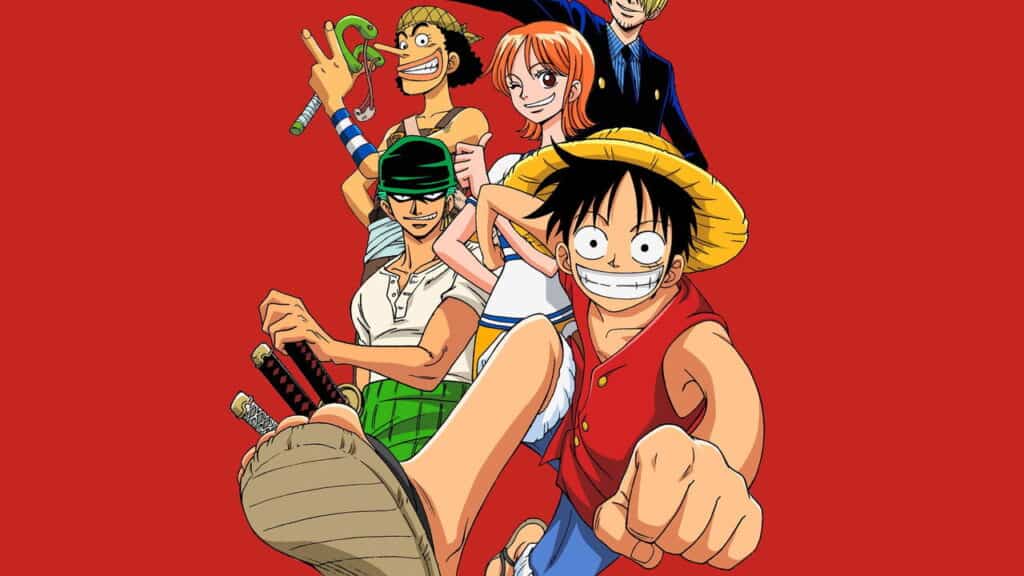
At its emotional center, One Piece is about people choosing each other again and again. The crew dynamic emphasizes loyalty, mutual belief, and emotional support over constant conflict. Viewers who respond strongly to stories about chosen family often find this aspect to be the show’s anchor.
The bonds between characters are reinforced through shared struggle rather than constant dialogue. For viewers who value emotional consistency over dramatic volatility, this structure can feel grounding.
Viewers Who Appreciate Earnest Storytelling
One Piece is unapologetically sincere. It believes in ideals, dreams, and emotional honesty without irony. Viewers who enjoy stories that wear their heart openly, even at the risk of seeming naïve, often connect deeply with its tone.
This is especially true for those who find comfort in stories that reaffirm belief rather than question it constantly. The show’s emotional clarity can feel refreshing for viewers tired of cynicism.
Why These Viewers Tend to Connect With It
One Piece rewards patience, emotional openness, and long-term thinking. Its creative choices consistently prioritize meaning over momentum. For viewers aligned with that approach, the show feels generous rather than slow. Emotional repetition becomes reinforcement. Length becomes depth. Sincerity becomes strength.
The series trusts its audience to value emotional memory. It assumes viewers will remember why something matters when it returns to it later. That trust forms a quiet partnership between the show and the viewer, one that feels uniquely personal over time.

Who One Piece Probably Is Not For
Viewers Who Prefer Tight, Efficient Pacing
If you tend to enjoy shows that move quickly and trim excess, One Piece can feel frustrating. Scenes often stretch beyond their functional purpose, and story arcs rarely resolve quickly. For viewers who equate good pacing with conciseness, this approach can feel misaligned.
The show does not rush emotional beats, even when the outcome is clear. That can clash with viewers who prefer momentum over reinforcement.
Viewers Looking for Constant Tonal Consistency
One Piece shifts between comedy, drama, and action freely. For viewers who prefer a stable tone that signals clearly how to feel at all times, this flexibility can feel disorienting. Emotional sincerity can sit next to slapstick without warning.
This tonal openness is intentional, but it does require comfort with emotional variety rather than cohesion.
Viewers Sampling Rather Than Settling In
One Piece rarely makes its strongest case in the first few episodes alone. Viewers who prefer shows that hook immediately with polished efficiency may struggle early on. The series assumes a longer onboarding period, which can be a barrier for those who decide quickly.
If you prefer to test shows briefly before committing, this structure may feel demanding rather than inviting.
Viewers Uninterested in Long-Term Emotional Memory
The show often revisits themes, values, and emotional stakes repeatedly. For viewers who prefer novelty over continuity, this repetition can feel redundant. One Piece expects emotional recall and rewards viewers who enjoy seeing ideas reinforced over time.
Why These Viewers Often Bounce Off It
The most common friction points with One Piece come from mismatched expectations around pacing, tone, and commitment. The show asks viewers to slow down, stay emotionally present, and trust long-term payoff. When a viewer’s habits or preferences lean toward speed, efficiency, or tonal restraint, the experience can feel exhausting rather than immersive.
These reactions are understandable. One Piece does not adapt itself to every viewer. It asks viewers to meet it where it is, which naturally limits who it resonates with most strongly.
Contextual Comparisons
Viewers familiar with long-running character-driven anime may find parallels in how emotional arcs unfold, though One Piece leans more openly into optimism. Compared to darker, more psychologically focused series, it emphasizes belief over introspection.
Those coming from ensemble adventure shows may recognize the found family structure, though One Piece allows that dynamic to breathe over far more time. For readers curious about similar tonal commitments, this breakdown of similar shows offers helpful context, while our deep dive on One Piece’s storytelling style explores how its structure differs from modern seasonal anime.
So, Who Is One Piece Really For?
One Piece is best understood as a long-form emotional journey rather than a traditional action series. It aligns most strongly with viewers who enjoy patience, sincerity, and gradual payoff. For those viewers, its length feels like an invitation rather than a hurdle. For others, that same length and tone can feel mismatched with how they prefer to engage with stories.
The conversation around One Piece often becomes polarized because alignment is mistaken for judgment. Enjoyment and disengagement are both reasonable responses to the same creative choices.
Deciding whether to watch One Piece is less about asking if it lives up to its reputation and more about understanding how it asks to be watched. It offers depth through time, emotion through repetition, and meaning through persistence. For some, that creates a rare sense of connection. For others, it simply does not fit the rhythm they want from a show. If One Piece aligns with your patience, emotional priorities, and viewing habits, it can become a lasting companion. If not, moving on is not a failure of taste, but a recognition of fit.