
Ghosts (US) looks like a simple sitcom about a haunted house, but its real power comes from something quieter: the fear of being forgotten and the need to be seen.
Ghosts (US) Is a Comedy About Being Seen
There is a quiet confidence to Ghosts (US) that makes it easy to underestimate. On the surface, it looks like a high concept network sitcom with a tidy supernatural hook and a familiar laugh rhythm. But spend a little time with it and something else becomes clear. This is a show less interested in its ghosts than in what it feels like to be ignored, unfinished, or stuck in the version of yourself you never meant to be forever. That emotional undercurrent is why the series connects so easily with some viewers and leaves others cold. Ghosts (US) is gentle, earnest, and sneakily reflective in a comedy landscape that often prizes edge over warmth.
What the Show Is Really About Beyond the Plot
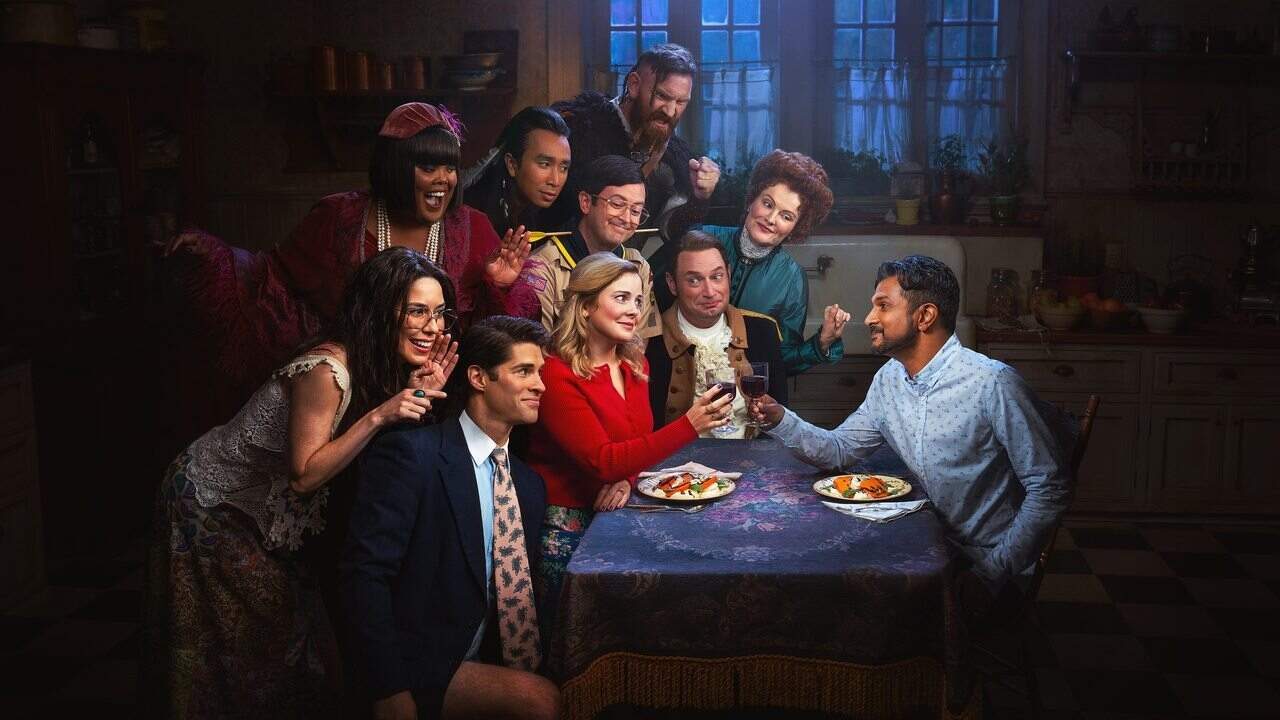
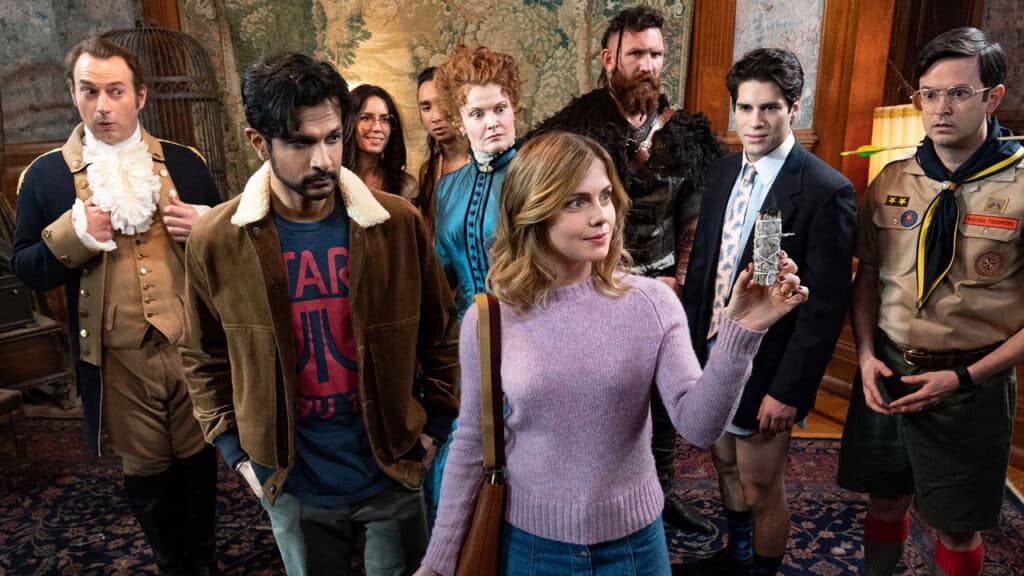
Strip away the haunted mansion and the period costumes and Ghosts (US) is about legacy and recognition. Every ghost in Woodstone Manor represents a life interrupted and a story that no longer gets told. They are not haunting the house out of malice or mystery. They are haunting it because they have nowhere else to go and no one else who can hear them.
At its core, the show is asking a simple question. What happens when people stop listening to you. The ghosts are frozen at the moment they died, but emotionally they are stuck at the moment they were last understood. Some never got to finish their ambitions. Others never got to outgrow their worst traits. A few never even got to realize who they actually were. Sam’s ability to see them is less a supernatural gift than a narrative permission slip. It gives the ghosts a witness, which is often all they want.
That is why the show resonates most when it slows down. The comedy works, but the emotional engine is empathy. Ghosts (US) is ultimately about learning how to sit with unfinished lives without trying to fix them too quickly.
Character Design and Arcs
Sam
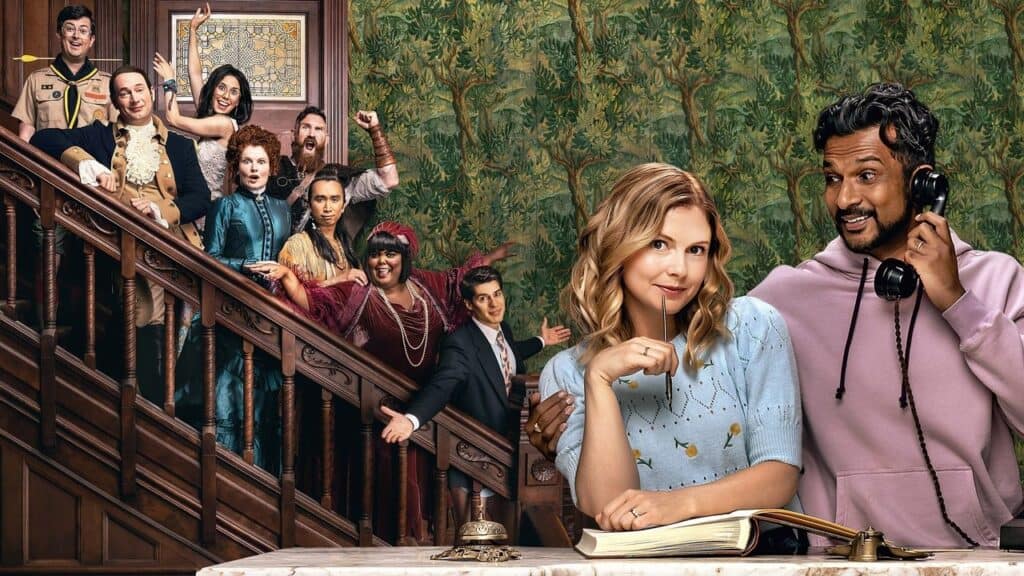
Sam is the audience surrogate, but she is not a blank slate. Her arc is about reconciling ambition with responsibility. She wants to honor her inheritance while also proving she is capable of building something meaningful. Her gift forces her into a caretaker role she never asked for, and the tension between wanting a normal life and feeling morally obligated to help the ghosts becomes her defining conflict. What makes Sam compelling is that she does not instantly become selfless. She resents the burden before she grows into it.
Jay
Jay is often treated as comic relief, but his role is quietly essential. He is the only main character without access to the ghosts, which places him in a constant position of faith. Jay has to trust Sam’s experiences without proof, and that dynamic mirrors real relationships where one partner carries emotional or mental weight the other cannot fully see. His arc is about patience and support rather than transformation, and that steadiness grounds the show.
Hetty
Hetty’s arc is one of the most effective in the series because it embraces discomfort. She begins as a rigid, elitist caricature, but the show slowly reveals how deeply constrained her life was by the rules of her era. Her growth is not about becoming nice. It is about recognizing how much of her cruelty was learned behavior rather than personal conviction. Watching Hetty unlearn herself is one of the show’s most satisfying long term payoffs.
Isaac
Isaac’s journey centers on identity and regret. His bravado masks a profound fear that his life amounted to less than the legend he tells himself. The show uses his humor to soften moments of real vulnerability, especially when he confronts truths he avoided in life. His arc works because it never fully redeems him. Growth does not erase insecurity. It just makes it manageable.
Tone, Pacing, and Structural Choices
Ghosts (US) commits fully to episodic storytelling, which is both a strength and a limitation. Episodes usually follow a contained problem that resets by the end, allowing casual viewing and easy syndication. This structure keeps the show accessible but occasionally blunts emotional momentum.
Tonally, the series leans warm rather than sharp. Jokes are character driven instead of cynical, and conflict rarely escalates into true antagonism. For some viewers, that creates a comforting rhythm. For others, it can feel low stakes. The pacing reflects that choice. Emotional beats are allowed to breathe, but rarely to linger. The show wants you to feel something and then smile, not sit in discomfort for too long.
The most effective episodes are the ones that let emotional consequences ripple across multiple characters instead of resolving neatly. When the structure loosens, the show feels deeper without losing its identity.
What the Show Gets Right
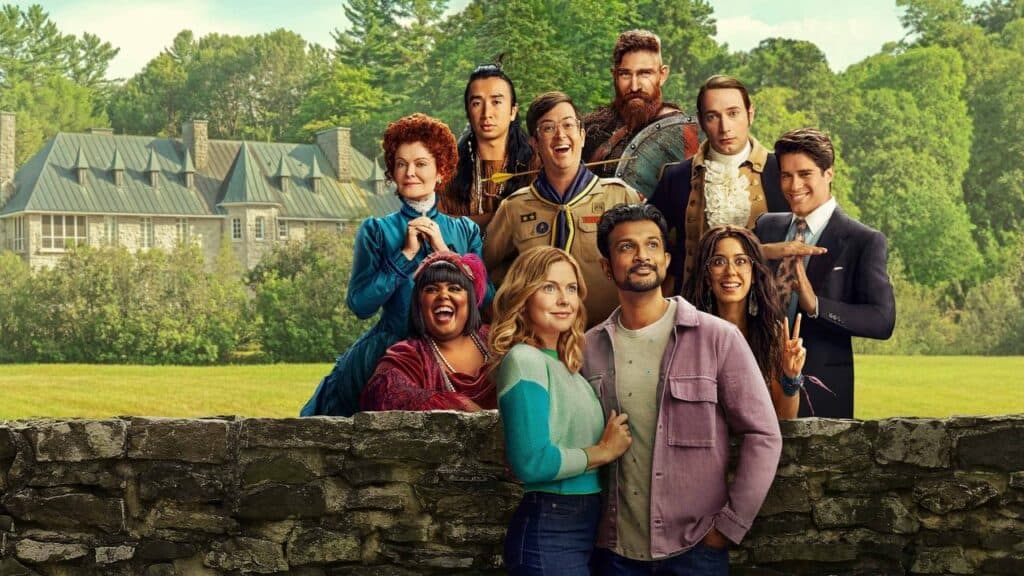
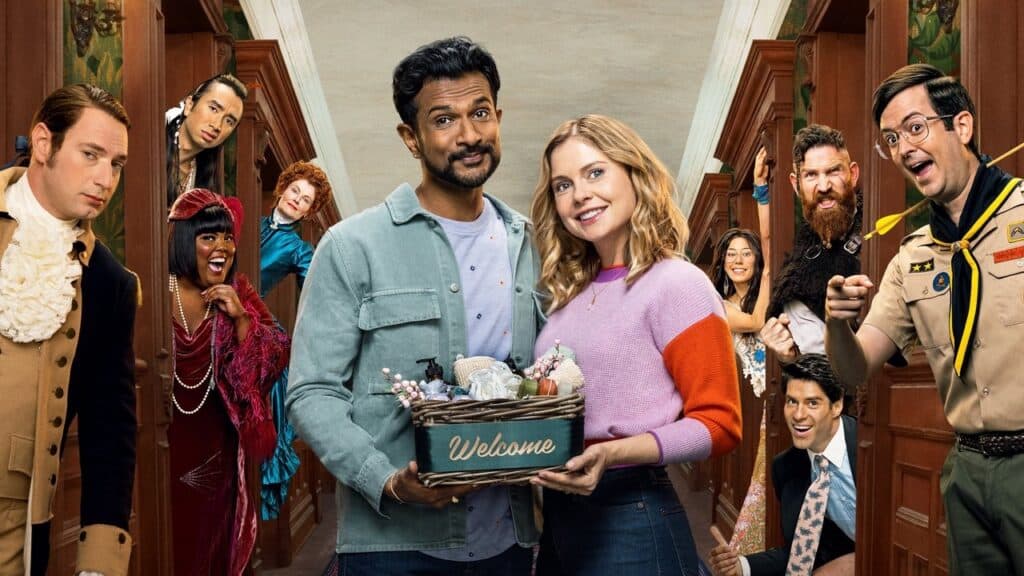
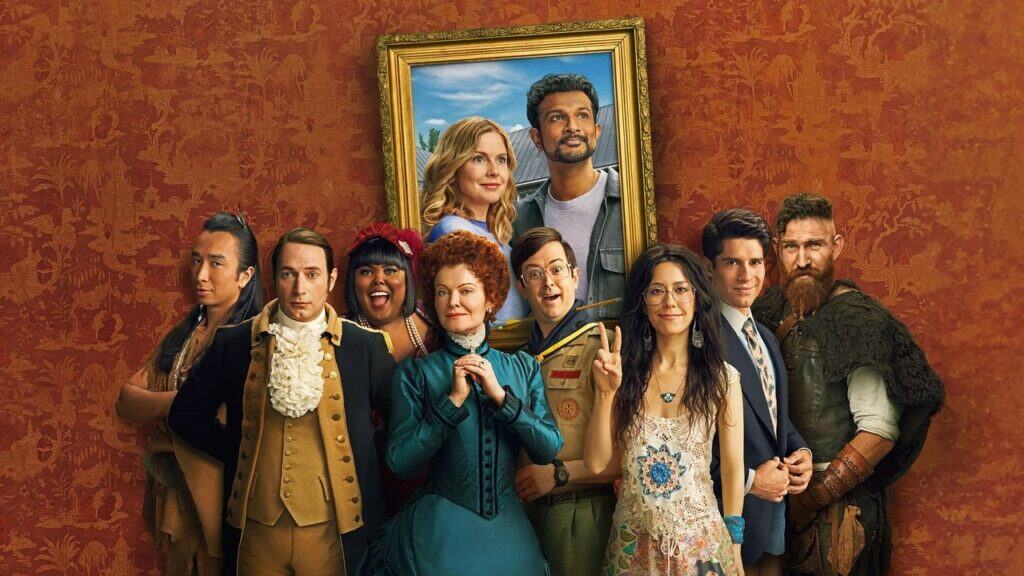
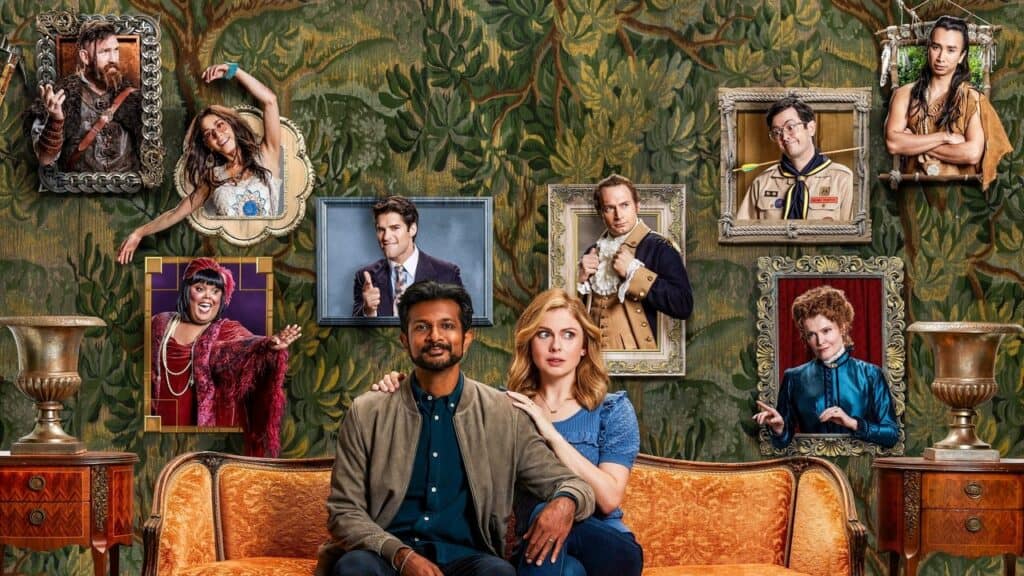
The biggest strength of Ghosts (US) is its ensemble balance. Each ghost has a clear comedic identity that remains flexible enough for growth. No one is reduced to a single joke for too long. The writers understand that humor lands best when it comes from personality rather than premise.
The show also excels at using supernatural rules to reflect emotional truths. Ghost boundaries, unfinished business, and invisible presence are not just fantasy mechanics. They are metaphors for emotional states many people recognize.
Culturally, Ghosts (US) stands out for its kindness. It does not mock vulnerability or punish sincerity. In a television environment crowded with irony, that sincerity feels refreshing.
Where the Show Struggles or Divides Viewers
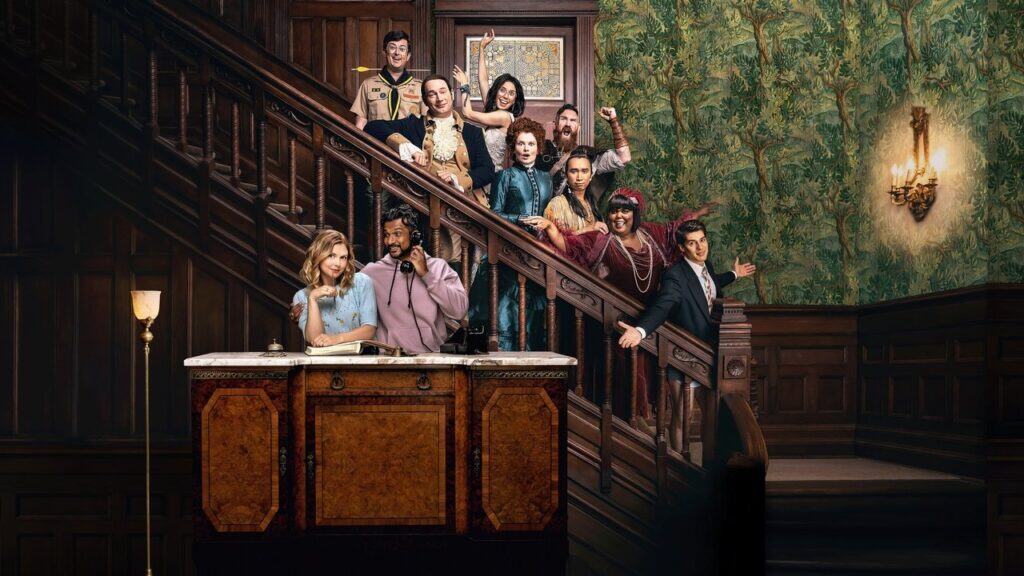
For all its warmth, Ghosts (US) can feel safe to a fault. Conflict often resolves without lasting consequences, which can make arcs feel lightweight. Viewers looking for sharper satire or deeper serialized storytelling may find the show predictable.
The reliance on familiar sitcom beats also limits experimentation. Episodes rarely take formal risks, and emotional revelations are sometimes wrapped too quickly in humor. That choice keeps the tone consistent but can undercut impact.
Some viewers also struggle with the ghosts’ static nature. Because they cannot physically change or leave, growth is almost entirely internal. That constraint is thematically intentional, but it can feel repetitive if emotional progress resets too often.
Why the Show Connected With Audiences
Timing played a major role in Ghosts (US)’s success. Premiering during a period when audiences gravitated toward comfort viewing, the show offered low stress escapism without emotional emptiness. It allowed viewers to laugh while still feeling seen.
The supernatural comedy angle also gave the series a clear identity without requiring genre investment. You do not need to care about ghost lore to understand what the characters are feeling. The concept is accessible, but the emotions are universal.
Online conversation around the show tends to focus less on twists and more on favorite characters, moments of quiet growth, and unexpected tenderness. That kind of engagement suggests a show people return to for emotional familiarity rather than spectacle.
If you are interested in how Ghosts (US) fits into the broader supernatural comedy space, this piece on Shows Like Ghosts (US) With Supernatural Comedy explores that tonal neighborhood in more detail.
How It Compares to Similar Shows Without Listing Recommendations
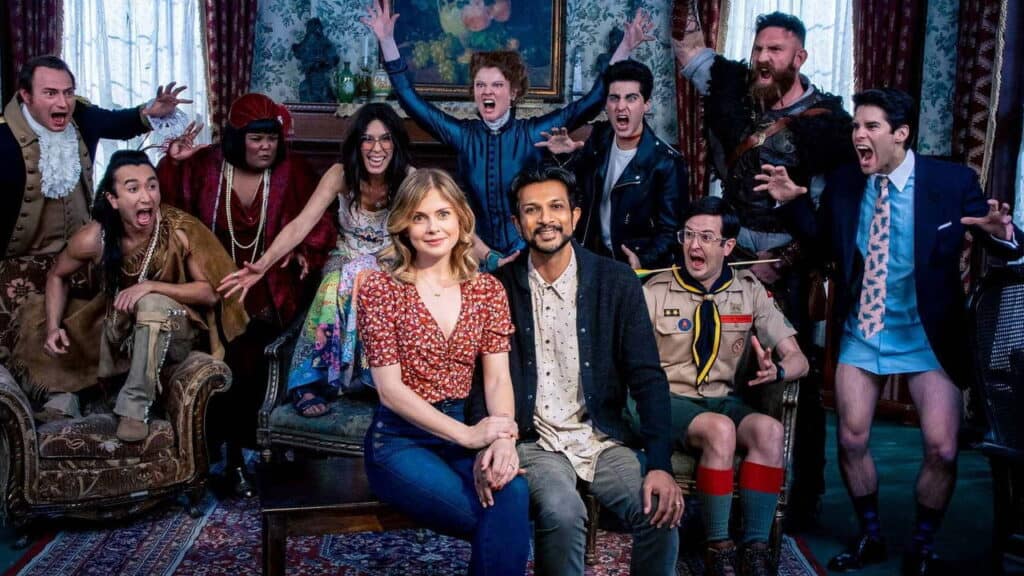
Ghosts (US) exists in a lineage of ensemble comedies that use heightened concepts to explore ordinary emotions. Like other workplace or found family sitcoms, the setting is less important than the relationships. What sets it apart is the permanence of its characters’ limitations. The ghosts cannot quit, move on, or reinvent themselves physically. That makes emotional change the only currency that matters.
Compared to edgier genre hybrids, Ghosts (US) prioritizes empathy over commentary. It is less interested in deconstructing tropes than in making them feel humane. That choice narrows its appeal but strengthens its identity.
Long Term Impact and Rewatch Value
Ghosts (US) is likely to age well because it is not chasing trends. Its humor is rooted in character rather than topical references, and its emotional themes are timeless. On rewatch, the early episodes gain weight as character backstories deepen. Small jokes reveal themselves as early signals of long arcs.
The show also benefits from familiarity. Knowing where characters end up makes their early rigidity more poignant. Rewatching becomes less about plot and more about appreciating how patiently the series lets its ensemble evolve.
Ghosts (US) works because it understands that being heard is a form of healing. Its haunted house is not a place of fear but of stalled conversations finally allowed to continue. The show may never feel urgent or groundbreaking, but its quiet consistency is its greatest strength. It invites viewers to laugh at human flaws while still honoring them.
The question it leaves lingering is simple and surprisingly personal. If someone could finally see you exactly as you are, what unfinished part of yourself would you want them to understand first.
Frequently Asked Questions
Is Ghosts (US) more of a comedy or a character-driven show?
It is structured as a comedy, but its appeal comes from character dynamics rather than punchline density. Viewers who connect tend to respond to the emotional undercurrent more than the supernatural premise.
Does Ghosts (US) rely heavily on ongoing story arcs?
Most episodes are self-contained, with light continuity across seasons. Character growth accumulates gradually, but the show is designed so viewers can drop in without tracking complex plots.
Who is Ghosts (US) best suited for as a viewing experience?
The show works best for viewers who enjoy gentle humor, ensemble casts, and low-stress storytelling. It is less focused on sharp satire or high-stakes drama.
Is Ghosts (US) something you can watch casually, or does it reward close attention?
It supports casual viewing, but attentive viewers often notice recurring emotional patterns and long-term character shifts. Rewatches tend to highlight how small traits evolve over time.
Why do some viewers feel divided on Ghosts (US)?
Reactions often hinge on expectations. Those looking for comfort and warmth tend to respond positively, while viewers seeking edge, tension, or heavy serialization may find it too restrained.
Does Ghosts (US) change significantly as it goes on?
The tone stays consistent, but the characters gain more emotional clarity and depth. The show favors incremental development rather than dramatic reinvention.