
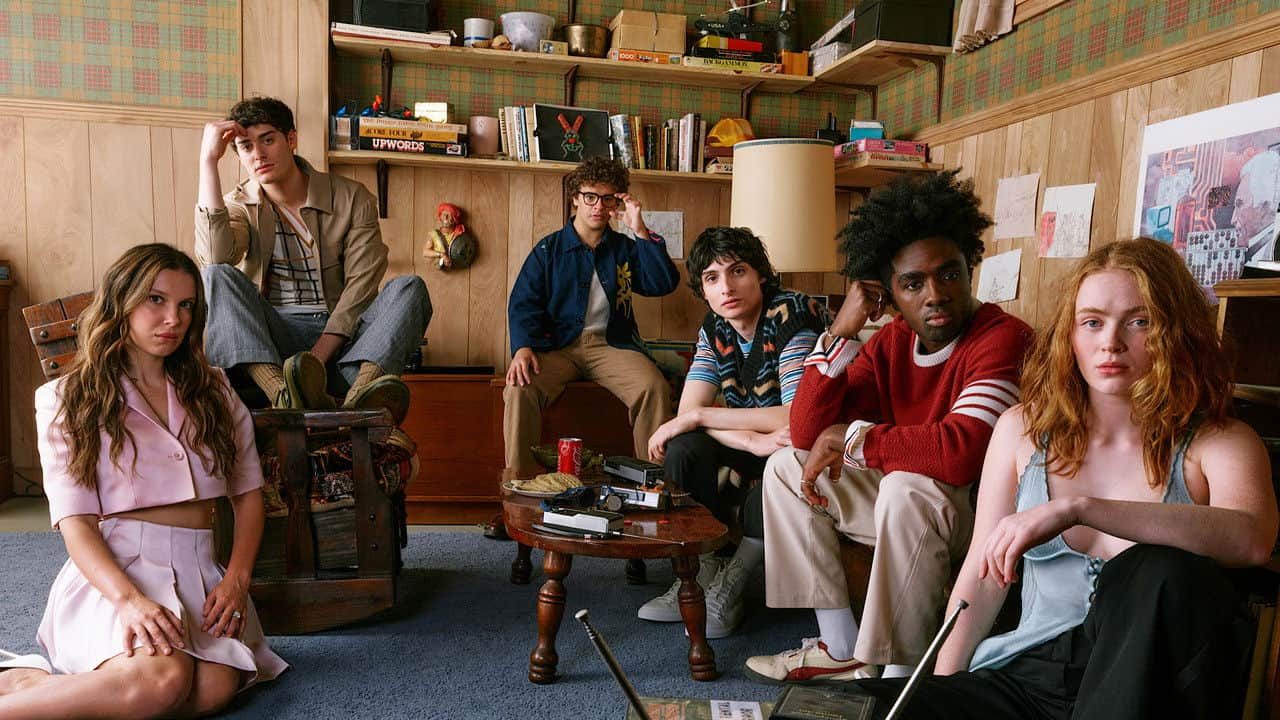
Stranger Things is not really about monsters or mysteries. It is about growing up in a world that suddenly feels unsafe, and how fear, friendship, and loss reshape who we become. This deep dive explores why the show resonated so deeply with audiences, where it succeeds, where it stumbles, and why it continues to spark conversation years after its debut.
Why Stranger Things Felt Bigger Than Just Another Hit
When Stranger Things premiered, it did not just attract viewers. It pulled them into a shared emotional memory. People did not simply binge it. They talked about how it felt. Familiar, eerie, warm, and unsettling all at once. That reaction is rare, and it is the reason the show became a cultural event rather than just another popular series.
At the same time, Stranger Things has increasingly divided audiences as it has grown. Some viewers feel it has lost restraint. Others feel it has leaned too hard into spectacle. The debate itself is revealing, because it points to the deeper question at the heart of the show. What is Stranger Things actually doing that makes people care this much?
The answer has less to do with monsters or mysteries and more to do with how the show uses genre to explore fear, friendship, and the cost of growing up.

What the Show Is Really About (Beyond the Plot)
At its core, Stranger Things is about childhood colliding with a world that is no longer safe or explainable. The supernatural elements are not the point. They are pressure systems. The Upside Down exists to force characters to confront loss, trauma, and change before they are ready.
The show consistently returns to one central idea. Growing up means losing the illusion that adults are in control and that the world is fair. For the kids, that realization arrives early and violently. For the adults, it arrives as regret and grief over choices already made.
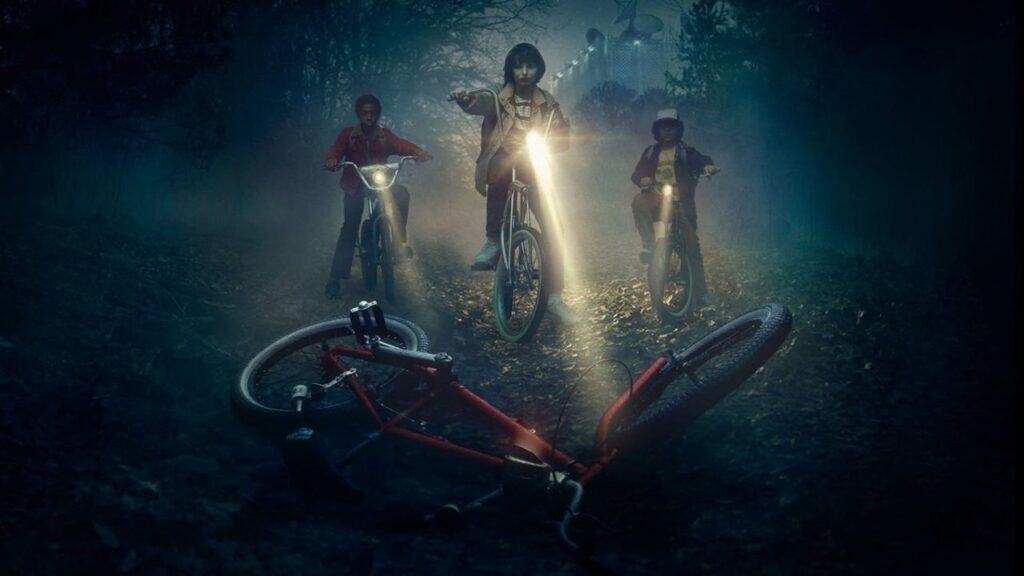
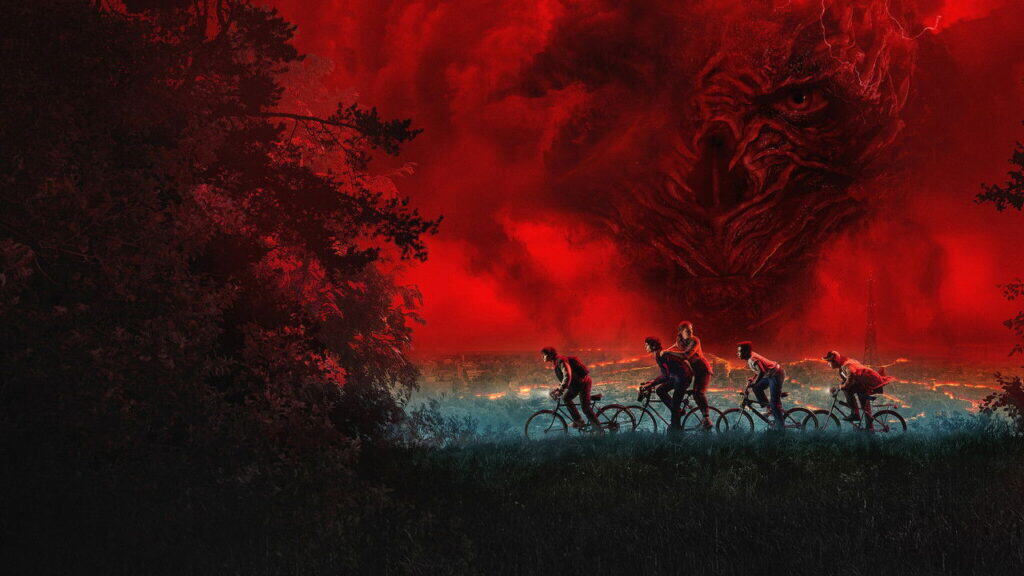
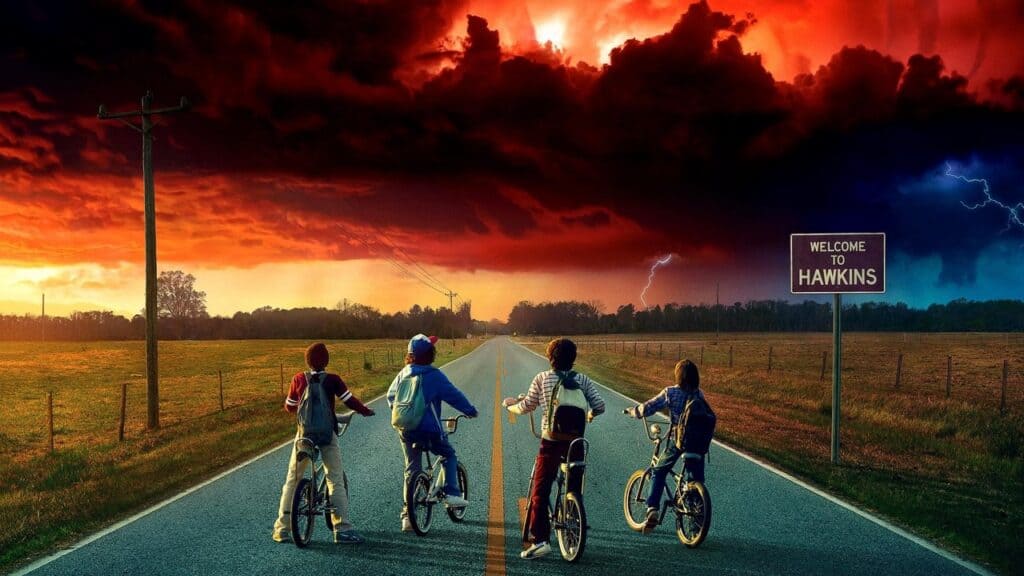
This is why nostalgia works so powerfully here. The show is not celebrating the past so much as mourning it. Bikes, arcades, and basements are framed as sanctuaries that cannot last. Every season pushes characters further away from the emotional safety of those early spaces.
Stranger Things is less about defeating monsters and more about surviving transition. Childhood to adolescence. Isolation to connection. Ignorance to knowledge. The horror works because it is emotional before it is physical.
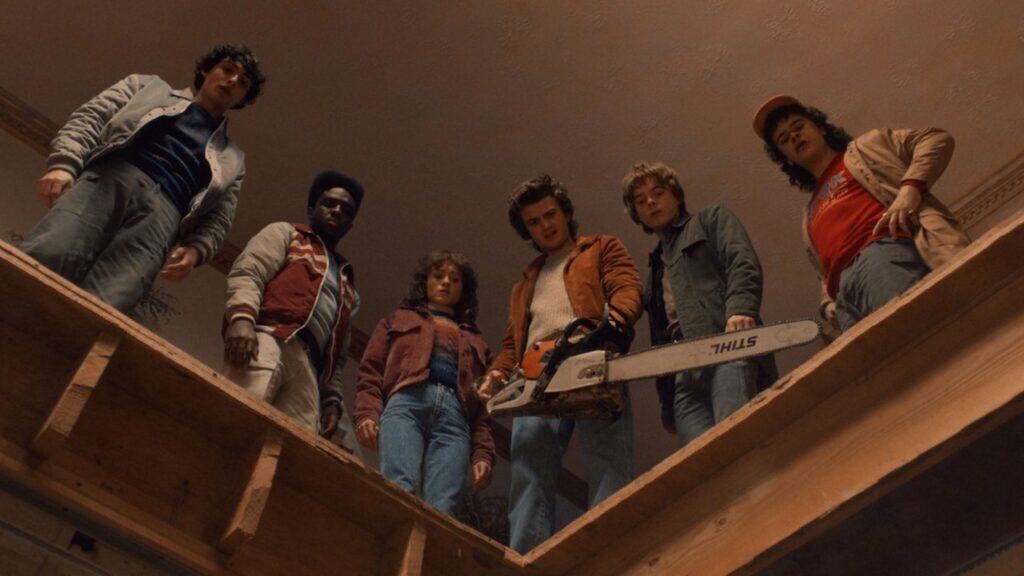
Why the People Matter More Than the Threat
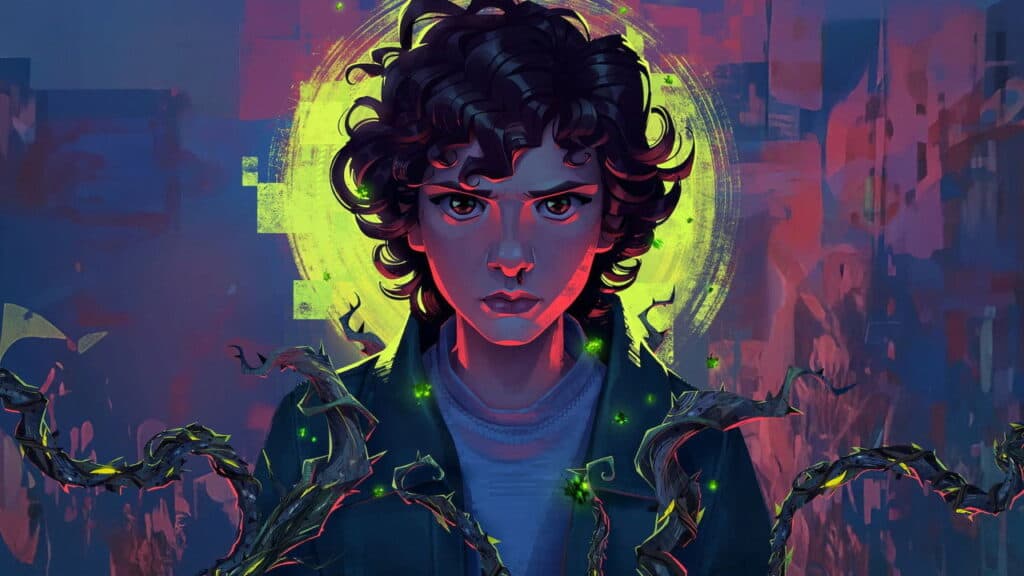
Eleven: Power Without Belonging
Eleven begins the series as a living weapon who has never been allowed to be a person. Her arc is not about mastering power. It is about learning how to exist without being defined by what she can do.
Her internal conflict revolves around identity. Is she valuable because she is useful, or because she is loved? Every season re-tests that question. When she loses her powers, the fear is not helplessness. It is abandonment. The show understands that trauma does not disappear when circumstances change. It reshapes how a person interprets every relationship.
Eleven resonates because her journey mirrors a universal fear. If you strip away what makes you special, do you still deserve connection?
Mike: Loyalty and Emotional Immaturity
Mike often frustrates viewers, and that is intentional. He represents emotional honesty without emotional maturity. He feels deeply but struggles to articulate those feelings as the group evolves.
His arc is quieter than others, which can make it feel stagnant. But his role is essential. Mike is the emotional anchor who resists change the longest. His fear is not danger. It is losing the version of life where friendship was simple and unconditional.
That resistance creates friction, especially as others grow in different directions. The discomfort viewers feel with Mike mirrors the discomfort of outgrowing someone who still loves you but no longer understands you.
Max: Grief, Guilt, and Withdrawal
Max’s arc is one of the most emotionally grounded in the series. She enters as an outsider, finds belonging, and then loses it in a way that feels personal and unfair.
Her response to grief is isolation. She does not lash out or collapse. She disappears emotionally. The show allows that choice to linger instead of rushing her toward healing. That patience gives her story weight.
Max matters because she shows how trauma can turn inward. The danger is not just monsters. It is silence, self-blame, and the belief that pain should be carried alone.
Hopper: Redemption Through Responsibility
Hopper’s journey is built around grief and second chances. He begins the series emotionally stalled, stuck in guilt over past loss. His arc is not about becoming a hero. It is about learning how to care again without trying to control the outcome.
His flaws remain visible even as he grows. Anger, fear, and emotional avoidance never fully disappear. That consistency keeps him human. Redemption in Stranger Things is not about erasing mistakes. It is about choosing to show up anyway.
Tone, Pacing, and Structural Choices
The show’s tone walks a careful line between warmth and dread. Early seasons balance this especially well. Humor is not a break from tension. It is relief that makes the tension survivable.
Structurally, Stranger Things favors slow-burn mystery followed by intense escalation. The first half of most seasons focuses on atmosphere and character interaction. The second half leans into action and confrontation. When this balance works, the payoff feels earned. When it does not, the spectacle can overwhelm the emotional throughline.
Later seasons stretch episode runtimes significantly. This gives character moments more space but also risks diluting urgency. Viewers who value intimacy may feel the show has become louder at the expense of subtlety. Others appreciate the operatic scale.
The pacing debate highlights a central tension. Stranger Things began as a restrained genre homage. It evolved into a blockbuster series. Both identities are present, and they do not always coexist smoothly.
What the Show Gets Right
Emotional Stakes Over Lore
The mythology of the Upside Down is deliberately vague. That frustrates some viewers, but it serves the show’s priorities. The threat matters because of who it endangers, not because of how it works.
By keeping rules flexible, the writers protect the emotional core. Scenes are remembered for how characters feel, not for plot mechanics.
Chemistry and Group Dynamics
Few shows capture group chemistry as naturally as Stranger Things. Conversations overlap. Jokes land casually. Arguments feel messy rather than scripted.
This authenticity makes relationships believable. When danger arrives, it threatens something real, not just a narrative function.
Visual Language That Supports Emotion
The show’s visual design reinforces its themes. Warm lighting for safe spaces. Cold blues and reds for fear and isolation. The Upside Down itself feels less like a location and more like a manifestation of internal dread.
These choices work because they are consistent. The audience learns how to feel before anything happens.
Where the Show Struggles or Divides Viewers
Escalation Fatigue
Each season raises the stakes. Bigger threats. Bigger battles. Bigger emotional moments. Eventually, escalation risks numbing impact. When everything is epic, nothing feels intimate.
Some viewers miss the smaller-scale horror of early seasons. The fear of something unseen. The tension of unanswered questions.
Character Bloat
As the cast expands, not every arc receives equal attention. Some characters drift into comic relief or functional roles rather than emotional journeys. This can make the ensemble feel uneven.
When viewers disconnect from certain storylines, it is usually because emotional purpose has been replaced by narrative necessity.
Nostalgia as Comfort Zone
What began as a tool has occasionally become a crutch. References that once enhanced mood can start to feel self-aware. When nostalgia draws attention to itself, it risks pulling viewers out of the story.
As the story grows larger, the pressure to meaningfully resolve long-running character arcs and thematic questions only increases, especially heading into the final season, where several lingering mysteries still need answers, as explored in the biggest questions Stranger Things season 5 must answer.
Why the Show Connected With Audiences
Timing played a huge role. Stranger Things arrived during a moment of cultural exhaustion. People were craving sincerity, connection, and stories that valued friendship without irony.
The show also benefited from binge culture. Watching characters grow together over a short period intensified emotional attachment. Conversations unfolded in real time across social media, turning viewing into a shared event.
More importantly, the show speaks to a universal anxiety. The feeling that the world has become unfamiliar faster than expected. That childhood ended without permission. That danger is both external and internal.
Those feelings transcend genre.
How It Compares to Similar Shows (Context, Not Recommendations)
Within the landscape of genre television, Stranger Things stands out for its emotional accessibility. Many series lean heavily into mythology or cynicism. This show prioritizes sincerity, even when it risks sentimentality.
It shares DNA with coming-of-age stories and supernatural thrillers, but it refuses to fully belong to either. Horror exists, but hope is never absent. Darkness intrudes, but it does not define the world.
That balance explains why the show appeals to both casual viewers and genre fans, even if it does not fully satisfy every expectation from either group.
That blend of emotional sincerity and genre storytelling is also why so many viewers go searching for other series that recreate the same atmosphere, something we broke down more directly in our look at shows like Stranger Things that actually match the vibe.
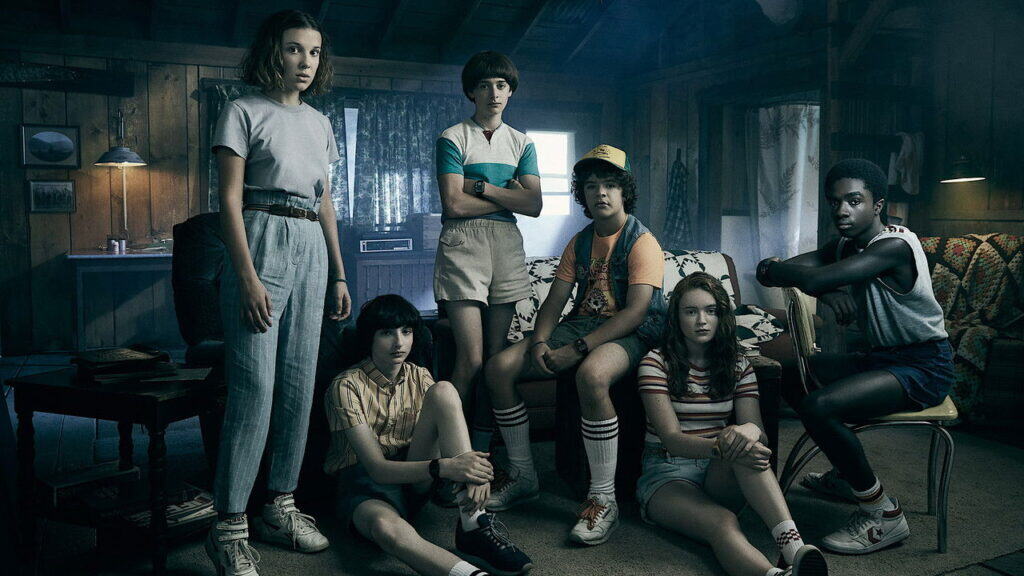
Long-Term Impact and Rewatch Value
On rewatch, the show’s emotional groundwork becomes more apparent. Small interactions carry more weight. Early choices echo louder once outcomes are known.
The series is likely to age better emotionally than narratively. Specific references may date it, but the core themes will remain relevant. Fear of change. Desire for belonging. The cost of love.
Rewatching also highlights restraint in early seasons. Silence. Space. Subtlety. Those elements remind viewers why the show connected so deeply in the first place.
With the final chapter approaching, much of the show’s legacy will depend on whether it can bring its emotional and thematic threads together, something that feels especially important as the final battle of Stranger Things season 5 begins.
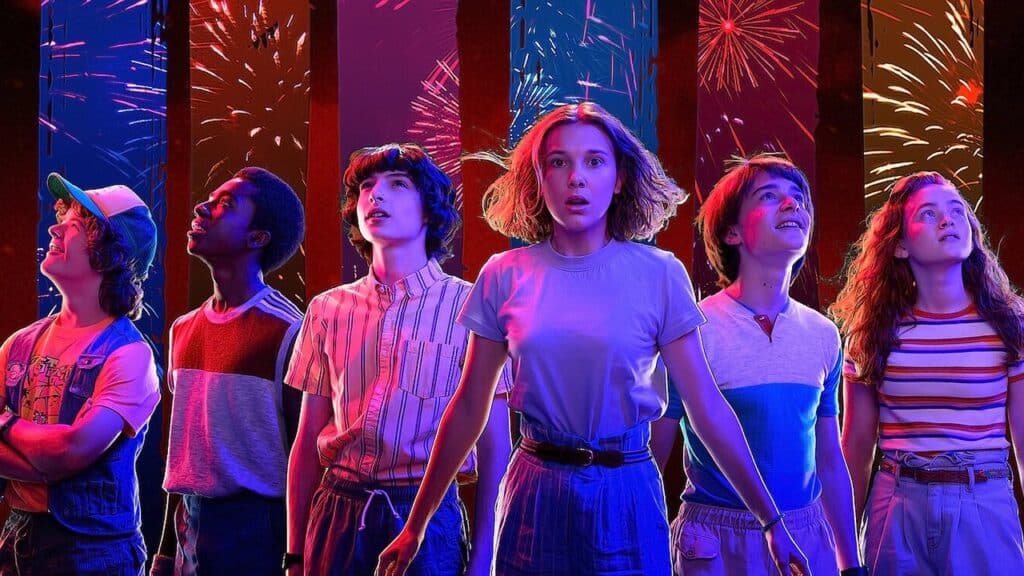
Why Stranger Things Still Matters
Stranger Things works because it understands that genre is a language, not the message. The monsters are metaphors. The mysteries are emotional tests. The real story is about people trying to hold onto each other while the world shifts beneath them.
Its flaws stem from ambition rather than cynicism. When it stumbles, it is usually because it reaches too far, not because it forgets what matters.
At its best, the show captures something rare. The feeling of standing on the edge of change, knowing you cannot go back, and hoping that connection will be enough to carry you forward. That feeling is timeless, and it is why Stranger Things continues to spark conversation long after the credits roll.
Frequently Asked Questions
Is Stranger Things more about horror or character growth?
While it uses horror imagery and supernatural threats, the emotional weight comes from how fear and loss affect the characters. The genre elements function mainly as pressure that forces personal change rather than as the central appeal.
Why do some viewers feel later seasons are less effective than earlier ones?
As the series progresses, episodes become longer and conflicts larger, which shifts attention toward spectacle. For some audiences, that scale reduces the intimacy and restraint that defined the early viewing experience.
Do you need to care about the mythology to appreciate the show?
Not really. The story is structured so emotional stakes carry more importance than detailed rules or explanations, allowing viewers to stay engaged even if the lore feels secondary.
Who is the show primarily meant to resonate with?
It tends to connect most strongly with viewers drawn to coming-of-age stories and relationship-driven drama. The supernatural framing broadens appeal, but the core experience centers on emotional transition and connection.
Does the heavy use of nostalgia drive the story or just the atmosphere?
Nostalgia mainly shapes tone rather than plot. Familiar settings and references create emotional contrast, highlighting what characters are losing as they grow and the world becomes more dangerous.