
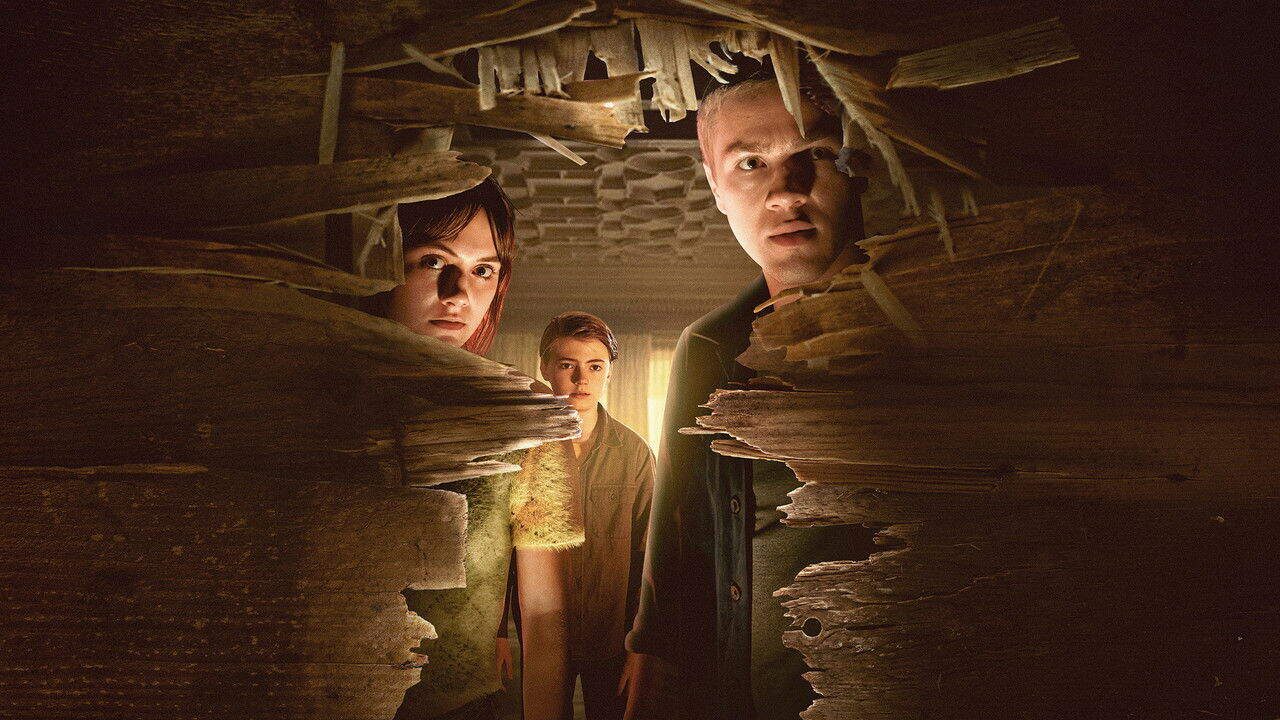
This list is for viewers chasing shows built around magical objects that drive the story forward, shape character choices, and unlock escalating consequences. If you are searching for Magic Key and Artifact Shows Like Locke and Key, this is a recommendation-first guide designed to get you watching fast.
Audiences are clearly gravitating toward stories where power comes with rules, emotional cost, and long-term payoff rather than one-off spectacle. Viewers want to replicate the feeling of discovery, the tension of choice, and the slow reveal of how objects reshape relationships. These picks focus on tight pacing, ensemble chemistry, and serialized momentum. Below you will find three shows worth your time, three that look like a fit but miss the mark, plus additional quick picks to explore next.
3 Shows to Watch
1. The Magicians
The Magicians works because magic is never just a tool, it is a burden that constantly pushes characters into moral corners. The show structures power around artifacts, spells, and hidden systems that demand sacrifice, patience, and emotional maturity. Every magical object carries history, rules, and consequences that ripple through the ensemble, creating a viewing experience that rewards attention and long-term investment.
Pacing is deliberate but sharp. Episodes balance explosive moments with quiet character fallout, allowing choices to land before the next escalation arrives. Instead of relying on constant reveals, the show builds tension by letting artifacts resurface later with new meaning. That slow burn approach mirrors the satisfaction of watching pieces click together over time rather than all at once.
Character chemistry is where the show truly locks in. The ensemble feels messy, flawed, and emotionally reactive, which makes every magical decision feel personal. When an object changes hands, it changes relationships. Alliances strain, trust fractures, and loyalties shift in ways that feel earned. Magic never exists in isolation, it always affects someone else in the room.
Structurally, the show understands long-form storytelling. Artifacts are introduced early, complicated mid-season, and often recontextualized by the finale. This creates a loop of anticipation and payoff that keeps viewers engaged without relying on constant cliffhangers. Emotional consequences linger, shaping future decisions rather than resetting each episode.
The emotional payoff hits hardest when characters realize that power does not solve their problems. It amplifies them. That realization fuels some of the show’s strongest arcs, turning magical discovery into personal reckoning. The result is a series that feels immersive, unpredictable, and deeply character-driven.
Perfect For: Viewers who want emotionally charged magic where every artifact reshapes relationships and long-term consequences matter.
2. Shadow and Bone
Shadow and Bone thrives on the tension between desire and responsibility, with magical artifacts acting as catalysts rather than shortcuts. Power is rare, controlled, and deeply political, which gives every object weight the moment it appears on screen. The show treats artifacts as forces that bend the world around them, drawing characters into conflicts they cannot walk away from.
The pacing is clean and confident. Episodes move briskly without feeling rushed, allowing discovery scenes to breathe while keeping momentum high. Each reveal builds on the last, creating a rhythm of anticipation followed by consequence. Viewers are never overloaded with information, yet they always sense that more lies beneath the surface.
Character chemistry drives the emotional engine. Relationships form under pressure, shaped by secrets and competing motivations. When an artifact enters the story, it immediately tests loyalty and belief. The push and pull between personal desire and collective responsibility keeps interactions charged and unpredictable.
Structurally, the show balances parallel arcs with precision. Different characters experience the impact of power in distinct ways, creating a layered viewing experience that rewards attention. Artifacts are not isolated plot devices, they are connective tissue linking storylines and escalating stakes across the ensemble.
Emotional payoff arrives through restraint. Instead of constant spectacle, the show leans into moments of choice. Characters hesitate, commit, and sometimes fail, and those decisions echo forward. That sense of lasting impact is what makes the journey feel satisfying rather than disposable.
Perfect For: Viewers who love elegant worldbuilding where magical objects drive emotional choices and sustained tension.
3. The Order
The Order succeeds by blending secret societies, forbidden artifacts, and personal identity into a tightly paced experience. Magic exists behind closed doors, guarded by rituals and rules that make discovery feel dangerous and thrilling. Artifacts serve as keys to hidden hierarchies, unlocking power while exposing characters to risks they barely understand.
The pacing is punchy and binge-friendly. Episodes end with meaningful turns rather than empty hooks, encouraging continued viewing without fatigue. Each artifact reveal advances the story while deepening character conflict, keeping momentum consistent across seasons.
Character chemistry leans into rivalry and mistrust. Relationships form under suspicion, with alliances constantly tested by secrets. When an artifact changes hands, it reshuffles the power dynamic, forcing characters to adapt or fall behind. That instability keeps interactions sharp and engaging.
Structurally, the show embraces escalation. Early discoveries feel contained, but consequences expand quickly, pulling characters into larger conflicts. Artifacts introduced as solutions often become problems later, reinforcing the idea that power carries hidden costs. This approach mirrors the satisfaction of watching rules unfold rather than being explained upfront.
Emotional payoff comes from identity struggle. Characters are forced to reconcile who they are with what they wield. That internal conflict grounds the supernatural elements, making victories feel earned and losses feel personal. The result is a series that stays focused on character even as stakes rise.
Perfect For: Viewers who enjoy fast-moving mystery where secret artifacts constantly reshape trust and identity.
Why These Shows Work
At its core, the appeal of Locke and Key lies in how it treats magical objects as engines of character growth rather than shortcuts to spectacle. Viewers are drawn to a structure where discovery leads to consequence, relationships evolve under pressure, and long-term engagement is built through cumulative choices. The experience feels immersive because power is earned, tested, and often regretted.
The strongest resonance comes from ensemble dynamics. Characters are forced to negotiate trust, rivalry, and responsibility while navigating a system that rarely offers clear answers. Emotional investment builds not through constant twists, but through watching relationships stretch and sometimes fracture over time. Rewatchability comes from noticing how early decisions quietly shape later outcomes.
The matching criteria for this list were intentionally narrow. Each recommendation prioritizes artifact-driven storytelling where objects introduce rules, limitations, and emotional stakes. Ensemble-first structure was essential, as was pacing that allows consequences to land. The shows also needed serialized arcs where power evolves across episodes rather than resetting.
- The Magicians fits this formula by tying artifacts directly to emotional fallout and long-term character change.
- Shadow and Bone aligns through its careful balance of discovery, restraint, and ensemble tension.
- The Order earns its place by using secret artifacts to constantly shift identity and trust.
Together, these shows reflect the same structural satisfaction without copying surface elements.
3 Shows to Skip
1. The Shannara Chronicles
The Shannara Chronicles often attracts viewers looking for object-driven storytelling due to its prominent artifacts and high-stakes framing. On the surface, it promises mystery, power, and destiny shaped by ancient items. Expectations are set for a slow unraveling of rules and consequences tied to those objects.
Where it falls short is in execution. Artifacts tend to function as plot accelerators rather than emotional anchors. Discoveries move the story forward quickly, but rarely reshape relationships in lasting ways. Characters often react to events instead of making choices that echo forward, which weakens long-term engagement.
Pacing leans heavily toward spectacle. Big moments arrive fast, sometimes before emotional groundwork is established. This creates momentum, but it limits payoff. Without sustained tension or evolving rules, artifacts lose their sense of danger and become interchangeable tools.
Character chemistry struggles to carry the weight of serialized storytelling. Relationships shift abruptly, making it difficult to track emotional continuity. When power changes hands, the impact feels temporary, reducing the satisfaction of watching alliances evolve over time.
Perfect For: Viewers who prefer fast-moving fantasy visuals over character-driven artifact consequences.
2. Cursed
Cursed draws attention through its central magical object and its promise of reimagining familiar myths. Viewers often expect a layered exploration of power, choice, and responsibility tied to a singular artifact that drives the narrative.
The issue lies in focus. The show spends more time repositioning its mythology than exploring the emotional cost of wielding power. Artifacts are present, but their rules remain inconsistent, which blunts tension. Without clear boundaries, discoveries feel less meaningful.
Pacing becomes uneven as a result. Some episodes linger on atmosphere while others rush through pivotal moments. This inconsistency makes it difficult for viewers to settle into a rhythm where anticipation and payoff align.
Character dynamics also suffer from shifting priorities. Relationships are introduced with potential but rarely given the space to evolve naturally. When power changes hands, the emotional fallout is brief, limiting long-term investment.
Perfect For: Viewers interested in myth reinterpretation more than sustained artifact-driven character arcs.
3. Once Upon a Time
Once Upon a Time frequently appears in recommendation lists due to its abundance of magical items and interconnected mythology. On paper, it seems like a perfect match for viewers seeking object-centered storytelling.
In practice, the episodic structure undercuts the impact of artifacts. Magical objects often resolve conflicts quickly, resetting stakes by the next episode. This reduces the sense of consequence that makes artifact-driven stories compelling.
Pacing prioritizes constant twists over emotional continuity. While entertaining, this approach limits long-term payoff. Relationships shift rapidly, sometimes without sufficient buildup, which weakens the effect of power changes.
The show excels at variety, but that strength works against focused engagement. With so many elements competing for attention, individual artifacts struggle to maintain significance across seasons.
Perfect For: Viewers who enjoy playful mythology with frequent resets and lighter emotional weight.
Why These Don’t Work
These shows are not weak or unsuccessful, they simply miss the specific experience this list is built around. Each one introduces magical objects, but they prioritize momentum or variety over sustained consequence.
- The Shannara Chronicles leans on spectacle, which reduces the emotional ripple of discovery.
- Cursed struggles with consistency, making power feel abstract rather than earned.
- Once Upon a Time resets too often, limiting long-term impact.
What makes the Locke and Key experience resonate is continuity. Objects matter because choices linger and relationships evolve. When that structure is missing, the viewing experience shifts away from the slow satisfaction that defines this specific filter.
10 More Shows That Fit This Vibe
- The Umbrella Academy: Power and objects constantly reshape family dynamics and long-term consequences.
- His Dark Materials: Artifacts drive identity, choice, and sustained emotional stakes.
- Lockwood and Co: Object-based mysteries escalate through character trust and consequence.
- The OA: Discovery unfolds slowly with emotional and structural payoff.
- American Gods: Objects and power alter relationships across serialized arcs.
- The Bastard Son and the Devil Himself: Power emerges through rules, cost, and evolving trust.
- A Discovery of Witches: Magical items influence long-term relationships and choice.
- The Chilling Adventures of Sabrina: Objects shape identity and consequence over time.
- Carnival Row: Power and artifacts deepen social and emotional conflict.
- Fate The Winx Saga: Discovery and consequence drive ensemble evolution.
Frequently Asked Questions
What makes a show feel like it truly centers on magical artifacts?
The key factor is consequence. Artifacts must have rules, limits, and emotional impact that persist across episodes. When objects reshape relationships and future decisions rather than solving problems instantly, the experience feels deeper and more rewarding.
Are these shows fast-paced or slow burns?
Most balance both. They move quickly enough to stay engaging while allowing consequences to land. The pacing supports binge viewing without sacrificing emotional buildup or payoff.
Do I need to watch closely to enjoy these shows?
Yes, attentive viewing helps. These series reward tracking relationships, rules, and evolving power dynamics. Missing episodes can reduce the impact of long-term arcs.
Are these shows suitable for younger viewers?
Many are youth-friendly but emotionally complex. Viewer comfort depends on sensitivity to darker themes rather than content volume.
Do these shows rely on cliffhangers?
Not excessively. Momentum comes from evolving consequences rather than constant shock endings, which creates a more satisfying viewing rhythm.