
Finding a show like Schitt’s Creek is harder than it sounds.
Most sitcoms can match the jokes. Some can match the quirky characters. A few can even recreate the small-town charm.
What they usually cannot recreate is the feeling of watching people genuinely change.
The Rose family begins the series as selfish, disconnected, and emotionally guarded. By the finale, they have become warmer, more self-aware, and deeply connected to one another. That transformation is the real reason so many viewers keep returning to the show.
If that character growth is what you miss most, these are the best shows to watch next.
What Are the Best Shows Like Schitt’s Creek?
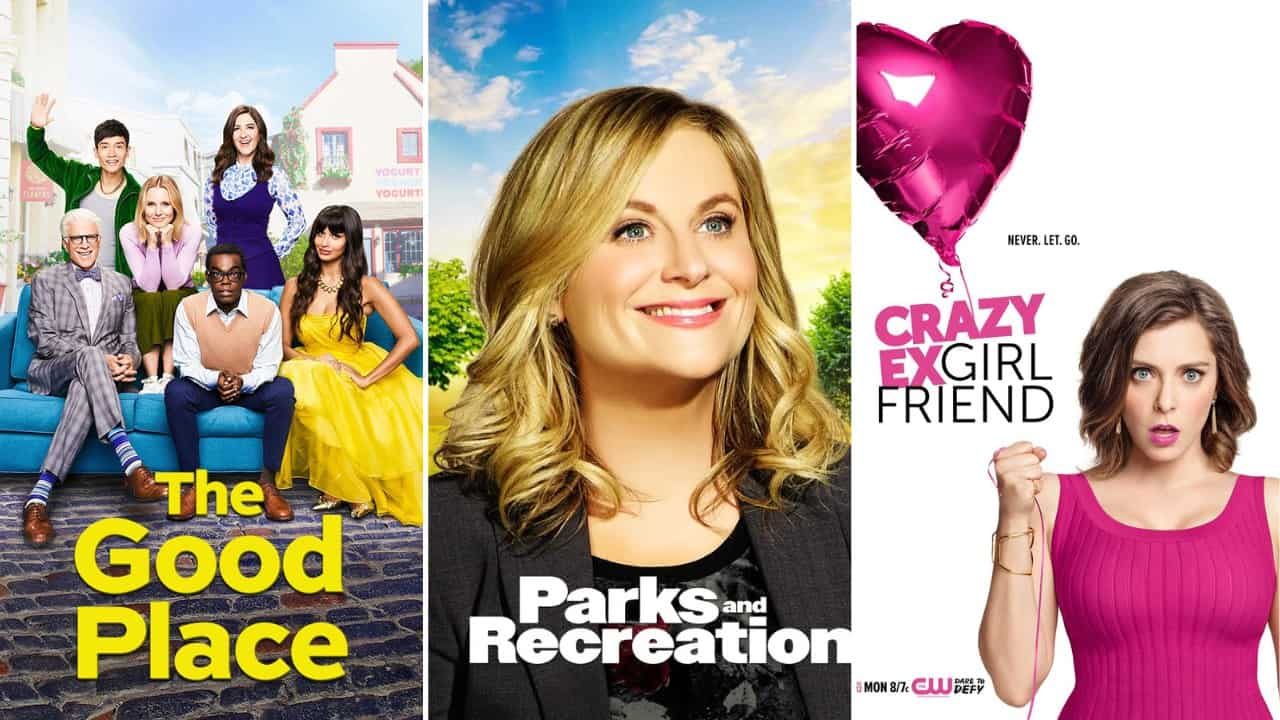
If you want the closest matches to Schitt’s Creek’s blend of comfort, humor, and emotional growth, start with:
|
Want More Of… |
Watch |
|---|---|
|
Personal growth |
The Good Place |
|
Ensemble warmth |
Parks and Recreation |
|
Emotional transformation |
Crazy Ex-Girlfriend |
All three series allow their characters to change in meaningful ways over time instead of resetting them at the end of every episode.
Why Fans of Schitt’s Creek Struggle to Find a Replacement
Most sitcoms are designed around consistency.
Characters stay recognizable. Relationships return to familiar patterns. By the next episode, everything is largely back to normal.
Schitt’s Creek became special because it did the opposite.
The Rose family evolves dramatically across six seasons. Their relationships deepen, their priorities change, their flaws become strengths. The comedy works because the characters are constantly becoming different people.
That kind of visible growth is surprisingly rare in television comedy.
3 Shows to Watch
1. The Good Place
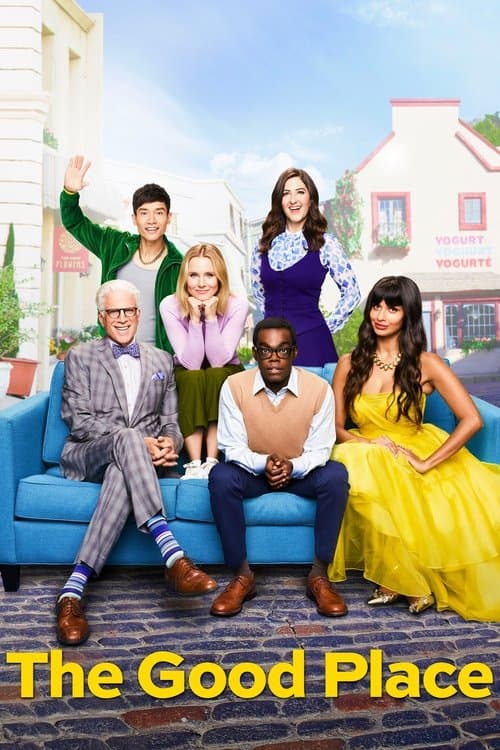
The Good Place is probably the strongest recommendation for viewers who loved watching the Rose family evolve.
At first glance, it looks like a clever fantasy comedy about the afterlife. Beneath that premise is a show entirely focused on personal improvement. Every major character begins the series with flaws they need to confront. Every season pushes them toward becoming better versions of themselves.
What makes the show so satisfying is that growth never feels automatic. Characters fail repeatedly. They regress. They make selfish decisions. The comedy emerges from those mistakes while the story gradually moves them forward.
Like Schitt’s Creek, the emotional payoff comes from watching people become someone they never thought they could be.
Perfect For: Viewers who loved seeing characters grow through self-awareness and meaningful change. For a deeper look at the show’s unique style, check out our list of philosophical comedy shows like The Good Place.
2. Parks and Recreation
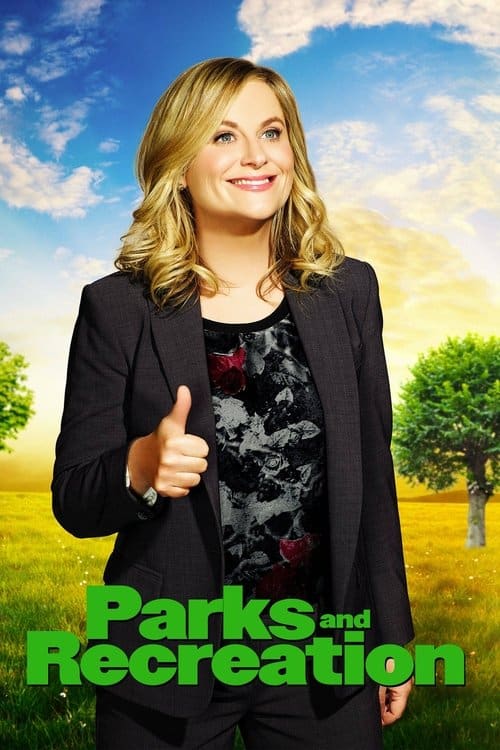
Parks and Recreation shares Schitt’s Creek’s belief that people become better when they care about one another.
The series begins as a workplace comedy but slowly transforms into a story about friendship, ambition, and community. Characters who initially seem exaggerated become surprisingly layered over time.
The real magic comes from the ensemble. Relationships deepen naturally. Small moments accumulate into meaningful emotional payoffs. Wins feel earned because the audience has watched these people struggle, learn, and improve together.
Few comedies capture the same warmth and optimism that made Schitt’s Creek so comforting.
Perfect For: Viewers who want a lovable ensemble cast and long-term emotional rewards. To see how this legendary comedy stacks up against other classics, read our breakdown of Parks and Recreation vs The Office.
3. Crazy Ex-Girlfriend

Crazy Ex-Girlfriend takes the idea of character growth and places it directly at the center of the story.
Unlike most sitcoms, this show refuses to hide from emotional discomfort. Growth is messy. Progress is inconsistent. Relationships become complicated and sometimes painful.
The series uses humor, music, and self-awareness to explore topics like mental health, identity, and personal responsibility. Every major character changes in visible ways, and those changes have lasting consequences.
While the tone is different from Schitt’s Creek, the emotional payoff is equally powerful.
Perfect For: Viewers who want growth that feels raw, honest, and transformative.
Why These Shows Work
What connects these recommendations is not their setting, humor style, or premise.
It is their willingness to let characters evolve.
The Good Place uses moral growth as its foundation.
Parks and Recreation uses friendship and community.
Crazy Ex-Girlfriend uses self-reflection and emotional honesty.
All three understand something many sitcoms avoid:
People become more interesting when they change.
3 Popular Sitcoms That Do Not Match the Schitt’s Creek Vibe
These shows are successful for a reason. They simply prioritize different things.
1. Seinfeld
Seinfeld is built around the idea that people do not learn lessons.
The famous creative rule was “no hugging, no learning.”
That approach creates brilliant observational comedy, but it delivers almost none of the emotional growth that Schitt’s Creek fans typically seek.
Best For: Viewers who want sharp humor without emotional progression. If you prefer this style of situational comedy, browse our guide on shows like Seinfeld about everyday situations.
2. Two Broke Girls
The premise suggests growth, but the structure keeps the characters largely frozen in place.
Relationships rarely deepen in meaningful ways. Emotional developments are often introduced and then abandoned in favor of the next joke.
The result is entertaining but repetitive.
Best For: Viewers who prioritize punchlines over long-term character development.
3. The Big Bang Theory
Many viewers assume The Big Bang Theory is growth-focused because it ran for so many seasons.
While some characters evolve, the show frequently returns to familiar patterns and behaviors. Progress happens, but it is often slower and less transformative than viewers expecting a Schitt’s Creek-style journey might prefer.
Best For: Viewers who enjoy comfort, familiarity, and recurring character dynamics.
10 More Shows With Strong Character Growth
If you finish the primary recommendations above, these ten series are excellent follow-up choices that feature fantastic character arcs and comforting dynamics:
-
Ted Lasso – A masterclass in radical empathy, emotional maturity, and community building. Read our full list of feel good shows like Ted Lasso for more.
-
New Girl – Follows a group of eccentric roommates as they grow from messy twenty-somethings into a mature found family. Check out our deep dive into found family shows like New Girl.
-
Brooklyn Nine-Nine – A fast-paced workplace comedy where characters mature significantly while maintaining their comedic edge. See more options with our list of comedies like Brooklyn Nine-Nine.
-
Superstore – A brilliant ensemble comedy that tackles real-world issues while allowing its blue-collar workers to build deep connections.
-
Mythic Quest – A workplace comedy set in the gaming industry that balances workplace chaos with surprising moments of artistic and personal growth. Read more in our guide on tech comedy shows like Mythic Quest.
-
Kim’s Convenience – A heartwarming look at a first-generation immigrant family navigating intergenerational dynamics and personal growth.
-
Jane the Virgin – A stylized telenovela comedy that forces its characters through massive, high-stakes emotional transformations.
-
Scrubs – A medical comedy that masterfully balances absurd humor with the heavy, maturing realities of growing up and taking responsibility.
-
You’re the Worst – A darker romantic comedy that shows toxic people slowly, painfully trying to open up and grow up for each other.
-
The Mindy Project – A romantic comedy chronicle of a successful professional slowly learning to navigate mature relationships and self-worth.
Frequently Asked Questions
What makes a comedy feel like it has real character growth?
Growth-focused comedies allow characters to change permanently over time. Relationships evolve, decisions have consequences, and people learn from their mistakes rather than repeating the same behaviors forever.
Are these shows good for binge-watching?
Yes. In fact, they often become more rewarding when watched in sequence because the emotional arcs build continuously from episode to episode.
Do I need to watch every episode in order?
For the best experience, yes. Character growth is easiest to appreciate when you watch the progression unfold naturally.
Are these shows still funny as they become more emotional?
Absolutely. In many cases, the humor becomes stronger because viewers understand the characters more deeply.
Which recommendation delivers emotional payoff the fastest?
The Good Place. The series moves quickly while still maintaining long-term character development.
Final Verdict
If what you loved most about Schitt’s Creek was watching people slowly become better versions of themselves, The Good Place, Parks and Recreation, and Crazy Ex-Girlfriend are the closest matches.
They understand that the best sitcoms are not just about making viewers laugh.
They are about making viewers care.
The humor gets people in the door.
The character growth is what keeps them there.